
Mace
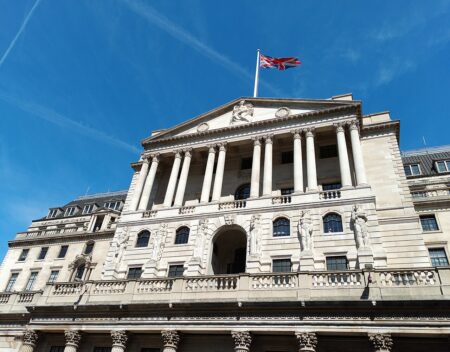
UK long‑term borrowing costs have surged to their highest since 1998, with 30‑year gilt yields near 5.7 per cent. Sterling has slumped about 1 per cent against the dollar.
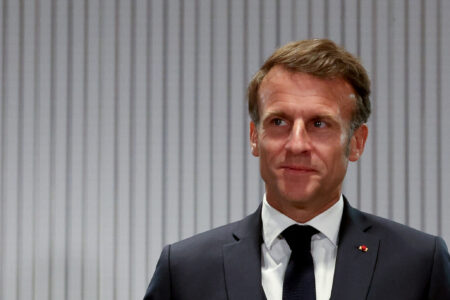
French business leaders warn of economic damage after Prime Minister François Bayrou set a 8 September confidence vote linked to budget plans. Stocks fell and bond spreads widened as opposition parties refused support. Markets partially stabilised, but sentiment remains fragile ahead of the vote and any budget revisions.
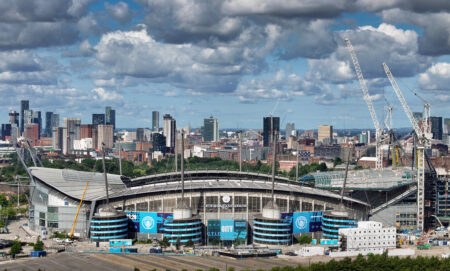
UK business activity reached a one-year high in August powered by a strong services rebound while July borrowing came in at a three-year low of £1.1 billion.
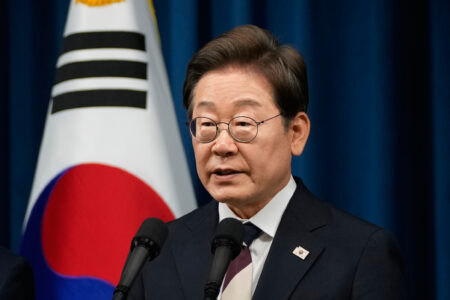
President Lee Jae Myung begins a visit to Washington on 23 August with fifteen senior executives from South Korea’s largest companies. The trip comes ahead of his 25 August summit with President Trump and will address trade, investment pledges, energy purchases and defence cost-sharing between the two countries.
The lobbying watchdog has launched an investigation into the Labour Infrastructure Forum after a Times exposé revealed companies were offered private meetings with senior Labour figures for nearly £9,500.

President Trump ruled out deploying U.S. ground troops to Ukraine but left air support on the table. Discussions are ongoing between U.S. and European planners to structure security guarantees that rely on European boots on the ground and U.S. air defence systems, while remaining mindful of geopolitical sensitivities.
The IEA will reintroduce a “current policies scenario” in its upcoming energy outlook to reflect existing policy pathways. Facing criticism from Energy Secretary Chris Wright—who has threatened U.S. withdrawal—the move aims to rein in aspirational forecasting while maintaining relevance amid political and methodological scrutiny.

The US government is considering taking a stake in Intel using Chips Act funds, boosting the company’s share price. Talks follow recent tensions between the president and Intel’s chief executive. No deal has been confirmed, and the White House calls the reports speculative. The move could expand state involvement in technology.
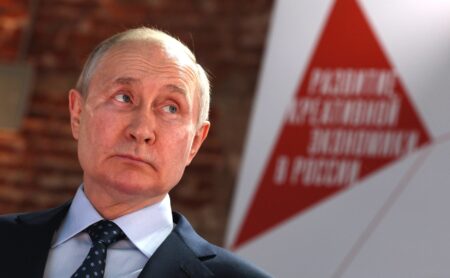
Donald Trump will meet Vladimir Putin in Alaska on 15 August to discuss ending the Ukraine war, including potential territorial swaps. Ukraine and European leaders reject any agreement involving land concessions and insist Kyiv must be part of negotiations. Preparations are under way amid increased diplomatic activity and heightened military vigilance.
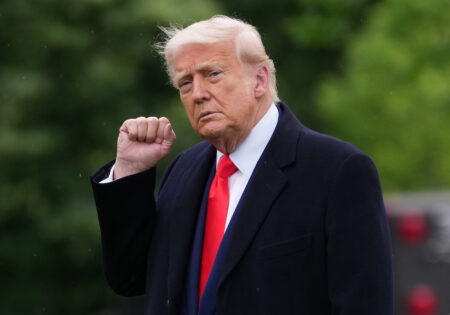
Trump Expands 401(k) Options to Include Private Equity and Cryptocurrency.
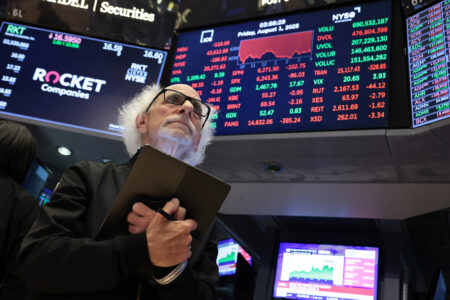
Markets plunge after weak jobs data and sharp downward revisions.
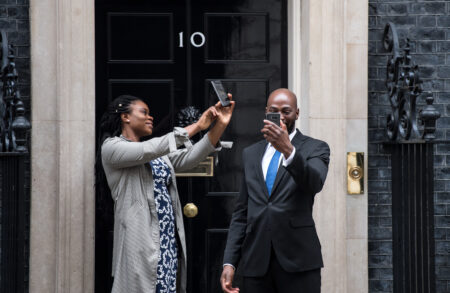
Downing Street hosts influencers as Starmer targets digital-first voter reach.

South Korea secures $350bn US deal, cutting tariffs and pledging major investment and energy purchases.

With Trump brazenly resetting the rules for world trade, public affairs is entering a new global order.

Political polling is undergoing a transformation as artificial intelligence offers instant insights from digital platforms and AI chatbot simulations, Harvard’s Ash Center reports. AI polling may match traditional methods in accuracy on broad issues, yet gaps remain in demographics and real-time politics. Responsible deployment and transparency are essential.

Charlie Bean warns that Rachel Reeves’s sub‑£10 billion fiscal buffer is dangerously lean compared with the £30 billion norm. He argues that such tightness forces constant adjustments and leaves no room for error. Bean urges tax rises or threshold freezes to build back buffer and avoid knee‑jerk spending cuts.
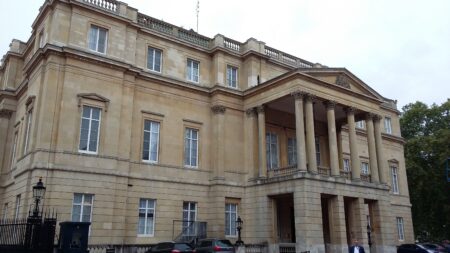
At Lancaster House, the UK government, royal sponsorship and global investors unveiled a summit to mobilise private finance behind UN biodiversity goals. The event launched new commitments on ecological investment, complemented by wider green finance initiatives and pending environmental legislation, all positioning the UK as a nexus for sustainable finance ahead of COP30.
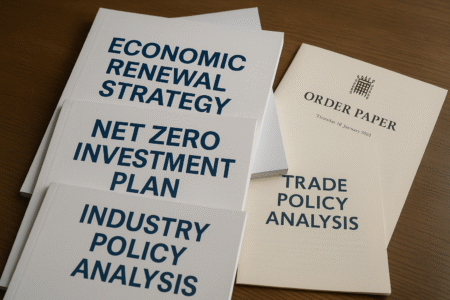
Business‑backed think tanks are rapidly increasing their influence on UK policy through private donor funding, campaign papers and advisory roles. They impact areas from net zero infrastructure to trade. Concerns are growing over transparency and democratic accountability prompting calls for stricter funding disclosure rules.

The UK’s Competition and Markets Authority has launched a consultation to designate Google as having strategic market status under new digital competition rules. The move would give the regulator sweeping powers to impose binding obligations on Google’s operations across search and advertising, with a final decision expected by October.
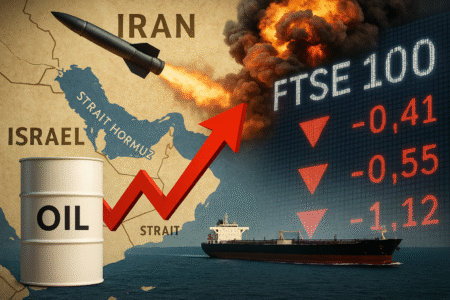
Rising conflict between Israel and Iran is driving oil prices up and unsettling global markets. Brent crude and tanker insurance costs have surged, the FTSE 100 has dipped, and central banks remain cautious. Investors are watching closely amid fears of disruption in the vital Strait of Hormuz.
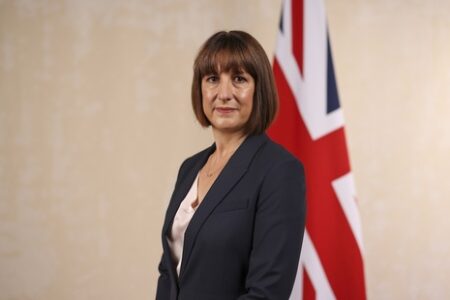
Rachel Reeves is considering diluting Labour’s proposed inheritance tax reforms for non-doms after a rise in wealthy individuals leaving the UK. More than 4,400 directors have resigned in the past year, with high-profile business figures relocating. The Treasury is reviewing policy details ahead of the 2026 rollout.

Coinbase has appointed Democratic strategist David Plouffe to its advisory council, deepening its bipartisan political strategy amid expanding crypto lobbying efforts. The move follows record industry spending and aligns with a broader push to influence emerging legislation in Congress during a favourable shift under the Trump administration.

U.S. crude oil production is expected to fall in late 2025 and into 2026, marking the first annual drop since the pandemic. Lower rig counts, weaker prices, rising costs, and potential tax changes are contributing to the slowdown, casting doubt on the long-term viability of energy dominance ambitions.
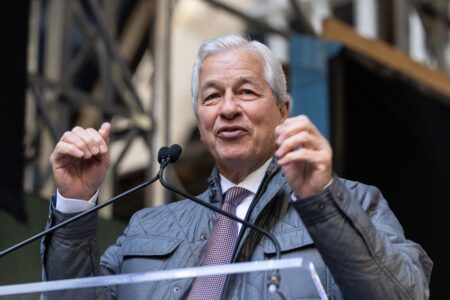
JPMorgan CEO Jamie Dimon has criticised internal meetings as hubs of inefficiency and political manoeuvring. Speaking at a financial conference, he called for sharper, outcome-driven practices, urging staff to eliminate unproductive habits, especially in the wake of hybrid work. His comments accompany broader reforms aimed at reducing bureaucracy across the firm.
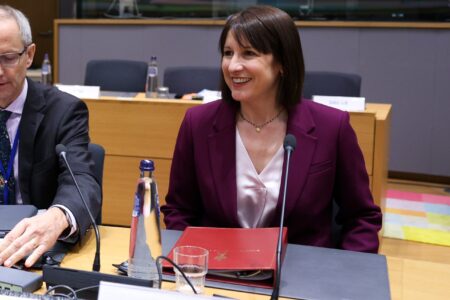
Rachel Reeves’ first spending review sets out Labour’s fiscal priorities, committing new funds to defence, the NHS and infrastructure projects like nuclear energy and housing. Despite limited headroom and rising borrowing, the review maintains capital investment while restricting departmental current spending, signalling tight fiscal control through 2029 without introducing new taxes.
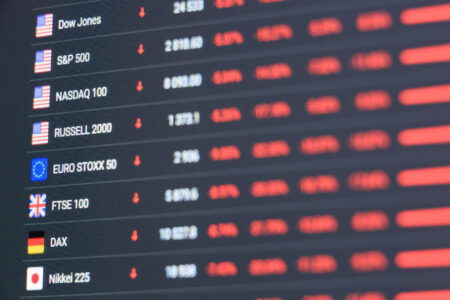
The FTSE 100 ended Tuesday at 8,254.18, narrowly missing its all-time closing high. Mining stocks and a weaker pound lifted the index, while cautious investor sentiment and upcoming macroeconomic events capped further gains. Global rate expectations, UK labour data, and European political developments all contributed to a watchful trading environment.
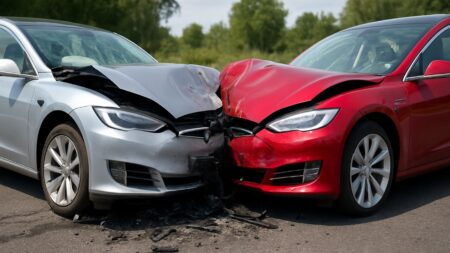
Tesla shares fell 14.2 per cent after Elon Musk criticised Donald Trump’s fiscal policies, prompting threats to cut subsidies. The political fallout erased $150 billion in market value and triggered wider losses in the electric vehicle sector, raising fears of regulatory retaliation against Musk-linked companies.

The European Commission has approved 13 new strategic projects outside the EU to secure critical raw materials vital for electric vehicles, renewable energy, and defence. Spanning countries from Greenland to Brazil, the projects support the bloc’s plan to reduce import dependency and strengthen supply chain resilience by 2030.

The European Commission and ECB have approved Bulgaria’s accession to the eurozone, with the country set to adopt the euro on 1 January 2026. Final approval from EU finance ministers is expected in July, completing the process of economic integration that began with Bulgaria’s EU accession in 2007.
The OECD has lowered its global GDP forecast to 2.9% for both 2025 and 2026, citing U.S. tariffs and weakening investment. Growth estimates for the U.S., UK, and China were revised downward, while inflation remains high. India remains strong, but global trade and fiscal flexibility remain under pressure.
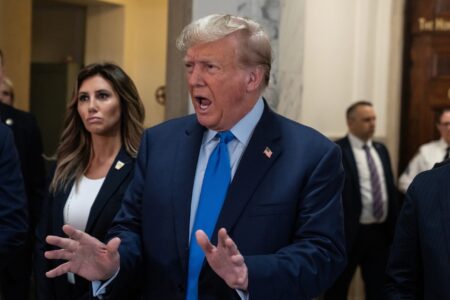
A U.S. federal court has struck down President Trump’s global tariffs, ruling they exceed the limits of the International Emergency Economic Powers Act. The administration has appealed, insisting trade talks remain on track. The ruling affects Executive Order 14257 but leaves other trade measures intact, pending further judicial review.
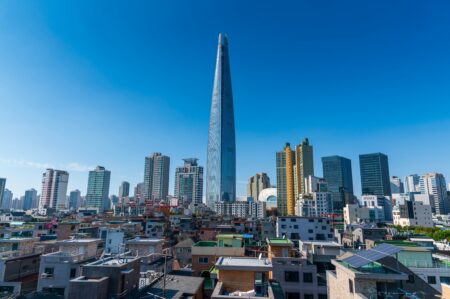
The Bank of Korea has reduced its key interest rate to 2.5% amid slowing growth and global trade pressures. The move comes days before a contentious presidential election, dominated by personal attacks and scandal. Economic uncertainty is deepening as policy discussions are drowned out by political infighting and voter fragmentation.
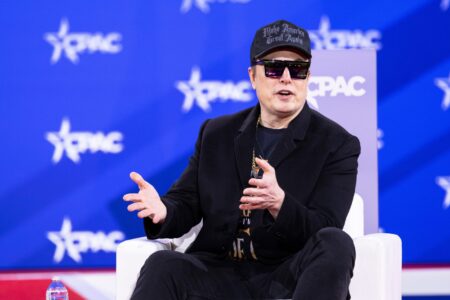
Elon Musk has stepped down from his advisory role in the Trump administration after criticising a major tax and spending bill. His departure ends a 130-day tenure focused on federal cost-cutting and coincides with investor pressure to refocus on Tesla and SpaceX amid recent business challenges and political tensions.
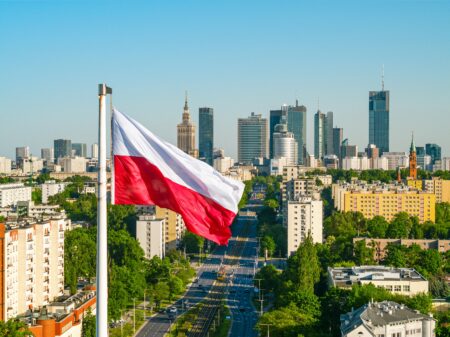
Poland’s public deficit hit 6.6% of GDP in 2024, driven by defence and social spending. Rising debt, polarised politics, and stalled reforms have raised concerns among ratings agencies and EU institutions. With a 3% target set for 2028, analysts question whether fiscal consolidation is possible without broad political consensus.
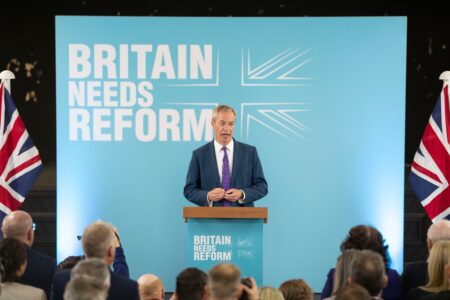
Reform UK has proposed raising the personal tax allowance to £20,000, a policy expected to cost up to £80 billion. The party plans to fund it by scrapping net-zero commitments and cutting public spending. Economists warn of fiscal risks, citing the absence of detailed costings or independent review.

President Donald Trump is weighing fresh sanctions on Russia following its largest aerial assault on Ukraine since the war began. The strikes killed 12 civilians and derailed peace talks. The Kremlin dismissed Trump’s criticism, while Washington considers targeting Russian banks and sanction-busting countries.

Spanish hatmaker Fernández y Roche faces a 10 per cent US import tariff, jeopardising its 40-year trade with Orthodox Jewish communities. With a 50 per cent duty possible by July, Spain has launched a €14.1 billion support plan while EU–US trade talks continue.
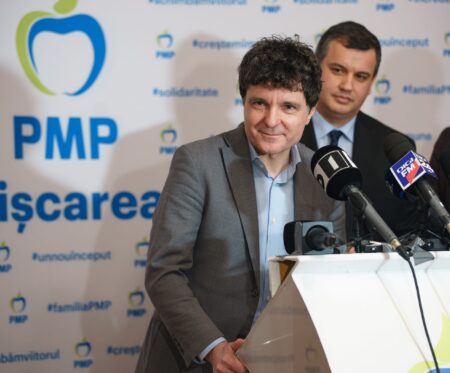
Nicușor Dan has been inaugurated as Romania’s new president, ending months of political instability. Elected on a pro-European platform, he now faces urgent economic challenges and a fragmented parliament. His agenda includes cutting the deficit, reaffirming NATO ties, and navigating internal divisions to restore stability.
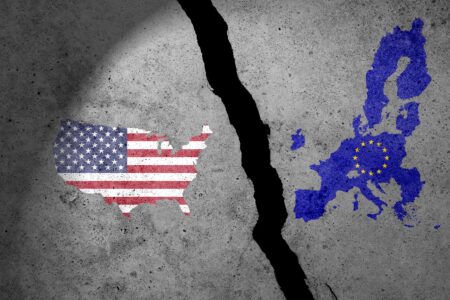
Donald Trump has threatened a 50% tariff on all EU imports and a 25% levy on non-US-manufactured iPhones, triggering sharp market losses and EU warnings of retaliation. Apple shares plunged, and European indices dipped as fears of renewed trade war disruptions rattled investors and strained transatlantic economic relations.

Renatus Tactical Acquisition Corp I marked its Nasdaq debut on 23 May 2025 following a $241.5 million IPO. Led by former DWAC executives, the SPAC targets blockchain, security, and dual-use tech sectors. Funds raised are held in trust pending a merger within 24–30 months.
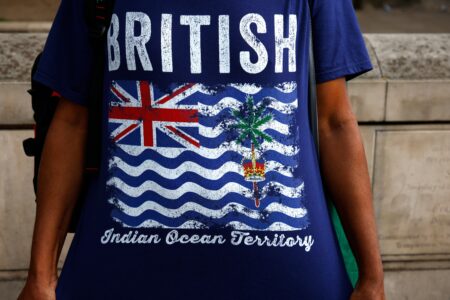
A High Court injunction has blocked the UK from finalising a sovereignty deal to transfer the Chagos Islands to Mauritius. The legal challenge, filed by a Chagossian-born British citizen, raises concerns over lack of consultation. The planned deal would retain the UK-US base on Diego Garcia for 99 years.
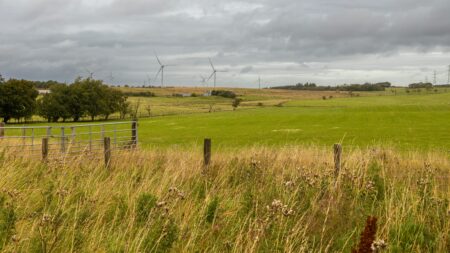
Scotland’s ambition to achieve net zero emissions by 2045 entails an estimated annual investment of £750 million over the next 20 years. The Climate Change Committee warns that without immediate, large-scale action, including rapid adoption of electric vehicles and heat pumps, the nation risks missing its legally binding climate targets.
JPMorgan Chase has created a new Centre for Geopolitics to help clients navigate international risks. Led by Derek Chollet and backed by global political figures, the unit provides strategic intelligence on conflicts, trade tensions, and defence trends, positioning the bank as a key player in geopolitically-informed financial services.
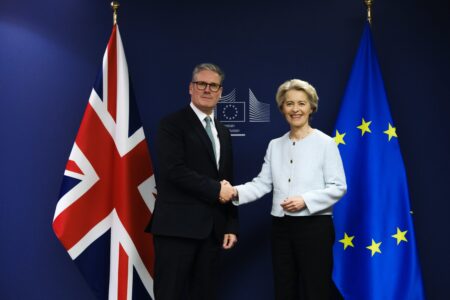
Britain and the European Union have agreed a major new post-Brexit settlement, extending fishing rights, easing trade barriers, and opening defence and youth mobility cooperation. The deal marks a strategic reset in UK–EU relations and includes measures on carbon, energy, and migration. Political reactions at home remain sharply divided.
Trump’s sweeping tax-and-spending bill seeks to extend tax cuts, boost defense, and end taxes on tips—while slashing Medicaid and green subsidies. The $3T package faces GOP infighting, fiscal watchdog warnings, and a credit downgrade. With 2026 midterms looming, Trump’s legacy bill heads to a divided House and combative Senate.
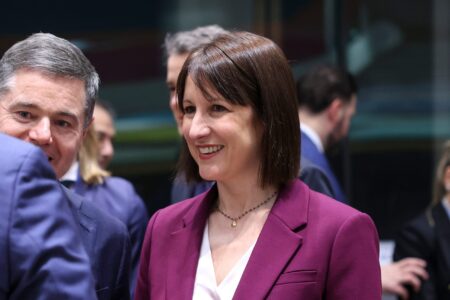
The UK economy grew 0.7% in Q1 2025, the fastest among G7 nations, offering a political lift to the Labour government. The Bank of England upgraded its annual forecast but cut interest rates amid global uncertainty. Critics warn Labour’s tax strategy could dampen future growth despite the strong start.
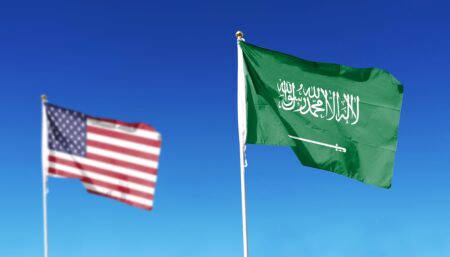
Donald Trump’s Middle East visit yielded a $96 billion Boeing deal and over $1 trillion in wider economic commitments. But questions over a private jet gift and simultaneous Trump Organization ventures have reignited concerns about conflicts of interest, as diplomacy and personal business appear increasingly entangled in the former president’s foreign agenda.
Luxury retailer Mytheresa posted 3.8% revenue growth in Q3 2025, driven by strong demand in Europe and the Middle East. U.S. sales lagged due to tariffs and cautious consumers. Despite lower margins, the company raised its full-year outlook, citing resilient high-end demand and international expansion.

The Trump administration is set to accept a luxury Boeing 747-8 jet from Qatar for use as Air Force One, prompting legal and ethical scrutiny. The aircraft will later be transferred to the Trump Presidential Library Foundation, raising questions over foreign influence and constitutional compliance.
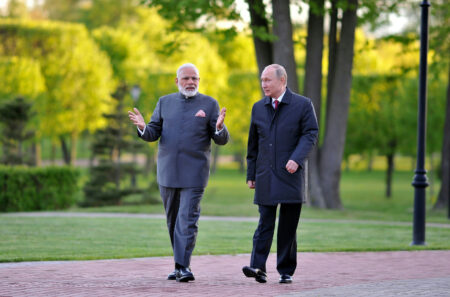
The Kremlin has confirmed that Vladimir Putin will visit India later this year at the invitation of Prime Minister Narendra Modi. The trip revives the annual India–Russia summit format, last held in 2021, and underscores India’s continued engagement with Moscow despite Western pressure over Russia’s war in Ukraine.
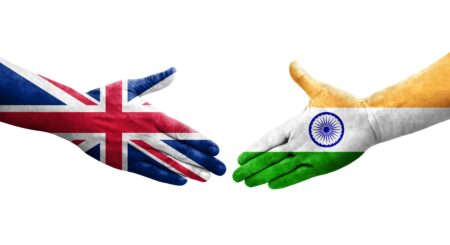
The UK and India have signed a landmark free trade agreement, reducing tariffs on goods like whisky, cars, and textiles, while expanding market access for services. The deal strengthens post-Brexit UK trade strategy and enhances India’s global economic position, boosting bilateral trade by £25 billion by 2040.
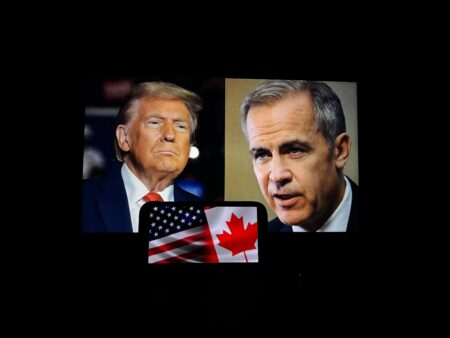
Canadian Prime Minister Mark Carney met with U.S. President Donald Trump in Washington to address trade tensions, defense cooperation, and Arctic sovereignty. The high-stakes talks reflect contrasting leadership styles but mutual pressure to stabilize North American relations amid geopolitical shifts, economic uncertainty, and growing scrutiny of the USMCA trade agreement.
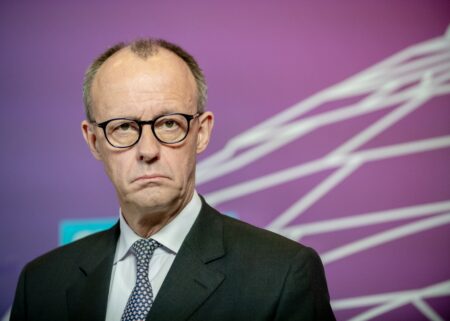
Friedrich Merz has failed to secure enough votes in the Bundestag to become Germany’s next chancellor, despite a nominal majority. The shock defeat reveals deep divisions within his coalition and casts doubt on his leadership prospects. Markets dipped and political uncertainty looms as a second vote is expected later this week.

U.S. Vice President JD Vance admitted the Ukraine war is unlikely to end soon, contradicting Donald Trump’s earlier pledge to settle it in 24 hours. Trump has since called that claim an exaggeration. Meanwhile, negotiations have stalled, allies are frustrated, and Russia continues its offensive amid uncertainty over Western support.
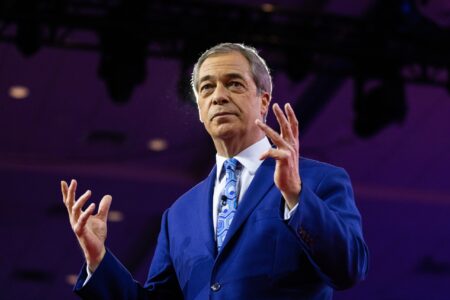
Reform UK secured victory in the Runcorn and Helsby by-election, overturning a large Labour majority. The party also won the Greater Lincolnshire mayoralty and made local council gains. With rising national polling figures, Reform is emerging as a serious electoral force ahead of the next general election.

Voters across England headed to the polls in a major electoral test for all parties. Labour aims to defend recent gains, while Reform UK eyes breakthroughs in Runcorn, Doncaster, and mayoral races. The Conservatives brace for losses, and minor parties seek regional wins. Results are expected from Thursday night into Friday.
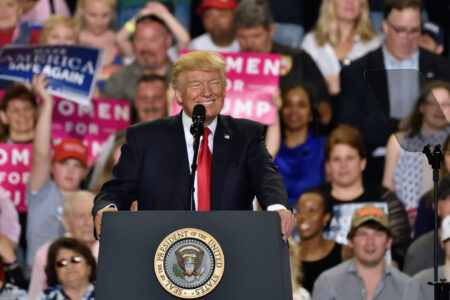
President Trump marked 100 days of his second term with sweeping policy changes, including a record number of executive orders, mass deportations, major education reforms, and a 145% effective tariff on Chinese imports.
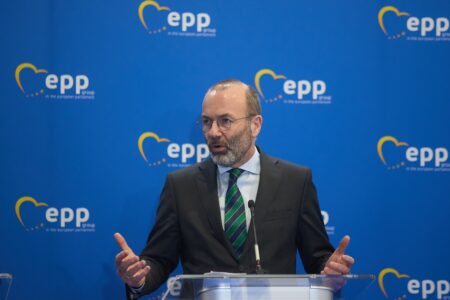
The European People’s Party (EPP) Congress in Valencia opened today amid political tension and disruption following major power outages across Spain and Portugal. Originally intended to celebrate the EPP’s 2024 European Parliament election victory, where it secured 188 seats, the event has been overshadowed by criticism of the Spanish People’s Party’s handling of last year’s deadly floods. Despite protests, Manfred Weber is expected to be re-elected as EPP president, with Dolors Montserrat nominated as Secretary-General.

Mark Carney, former Governor of the Bank of England, has led Canada’s Liberal Party to a minority government following the 28 April 2025 federal election. The Liberals won 142 seats, short of a majority, with the Conservatives securing 129. Carney succeeded Justin Trudeau as party leader earlier this year. Negotiations with smaller parties are expected. Voter turnout was approximately 68 percent. The new Parliament will convene in early May, when Carney will present his agenda.
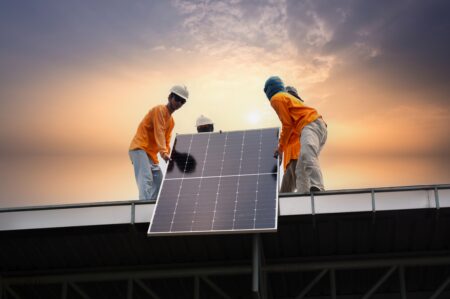
A massive power outage hit Spain, Portugal, and parts of France, disrupting transport, hospitals, and daily life. Authorities suspect grid failures linked to interconnections and rare atmospheric conditions. Renewable energy’s challenges and cyber-attack concerns remain under review as power restoration nears completion.
The EU has agreed a €201 billion budget for 2025, prioritising research, health, education and climate action. Key programmes such as Horizon Europe and Erasmus+ receive increased funding, despite concerns over rising debt repayments. Environmental groups criticised regulatory delays on sustainability reporting, while the Commission pushes €100 billion towards clean industry. Tensions remain over balancing competitiveness with climate goals and managing long-term fiscal pressures across member states.
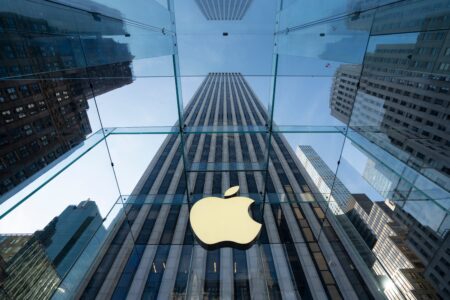
The European Commission has launched formal proceedings against Apple over suspected breaches of the Digital Markets Act, focusing on restrictive App Store policies. Developers claim Apple’s compliance measures deter competition, despite regulatory obligations. This marks the first major enforcement action under the DMA, signalling a tougher EU stance on Big Tech. Apple faces potential fines of up to 10 percent of global turnover while also contending with parallel antitrust action in the United States.
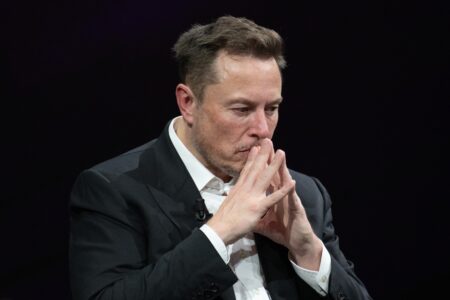
Elon Musk is stepping back from his role in Trump’s administration to tackle mounting challenges at Tesla, which is facing falling profits, rising competition, and production woes. His political involvement, once praised for its innovation, drew criticism over ethical conflicts and blurred public-private lines. Now, as Tesla battles economic headwinds, Musk aims to restore investor confidence.
Swiss pharmaceutical giant Roche plans a $50 billion U.S. investment over five years, creating 12,000 jobs and building new facilities. Driven by Trump-era tariffs, it aims to protect market access, bolster U.S. exports, and adapt to supply chain challenges. The move reflects shifting pharmaceutical strategies amidst global trade tensions.
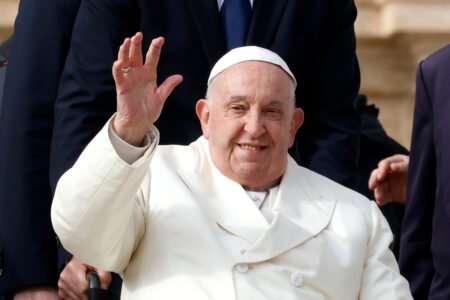
Pope Francis, the first Pope from the Americas, passed away on Easter Monday, aged 88, at Casa Santa Marta in the Vatican. Despite enduring lifelong health challenges, including a lung removal in his youth, he led with resilience, advocating for the poor and addressing global issues like climate change. Known for his humility and reformist vision, his papacy modernised Church dialogue but faced resistance. His legacy of compassion and courage leaves an indelible mark on the Catholic Church and beyond.
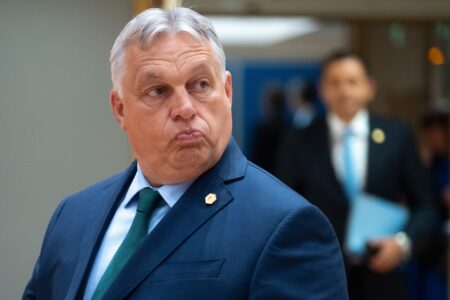
Hungarian Prime Minister Viktor Orban announced plans to finalise a U.S. business deal within six months to counter tariffs on steel, aluminium, and cars threatening Hungary’s car-reliant economy. Amid trade tensions, Orban seeks stronger U.S. ties, bolstering his nationalist credentials ahead of 2026 elections, while navigating EU relations and economic vulnerabilities.
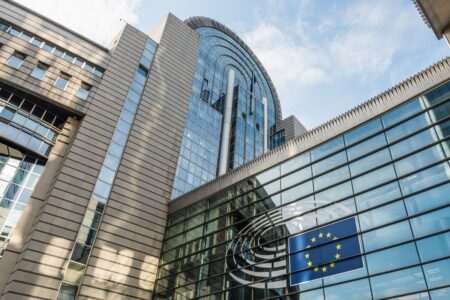
The European Central Bank (ECB) cut its key interest rate by 25 basis points to 2.25%, citing deteriorating growth due to trade tensions and global uncertainty. This marks the third rate reduction this year as policymakers aim to stabilize the eurozone economy. ECB President Christine Lagarde highlighted a “negative demand shock” and signaled openness to further rate cuts if conditions worsen. Economists expect ongoing monetary easing as the ECB seeks to counteract external pressures and sustain economic resilience.
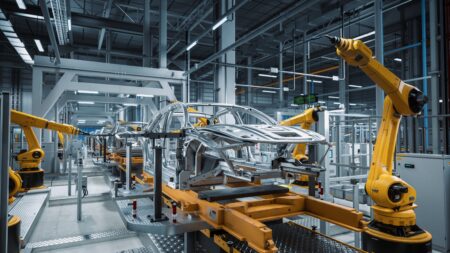
President Trump has suggested a potential pause on auto tariffs, sparking optimism in the auto industry and financial markets. While the proposal remains unconfirmed, it could ease industry pressures and improve global trade relations. Key stakeholders now await clarity on the decision’s impact on commerce, supply chains, and international partnerships.

Marine Le Pen’s shock conviction for embezzling EU funds, with a five-year ban from public office, shook France’s political landscape. While Le Pen vows to appeal, her legal woes boost Jordan Bardella, the 29-year-old rising star of the National Rally. From humble beginnings to RN president, Bardella’s leadership and modern charisma position him as a strong contender to step out of Le Pen’s shadow and potentially claim the Élysée Palace.
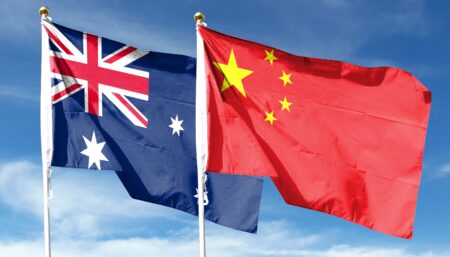
Australia has rejected China’s call to unite against Trump’s escalating tariffs, with Defence Minister Richard Marles stating, “We’re not about to make common cause with China.” Beijing sought Canberra’s support to counter U.S. trade barriers, but Australia remains focused on diversifying its trade. While Trump’s tariffs rattle global markets, Australia aims to shield its economy through strong fundamentals and new partnerships, signalling its intent to stay independent amidst the U.S.-China trade war.

The U.S. had launched a tariff blitz with 104% levies on Chinese goods, rattling global markets as China hit back with steep retaliatory measures. Allies from the EU to Japan bristled, warning of economic fallout and a deepening trade war.
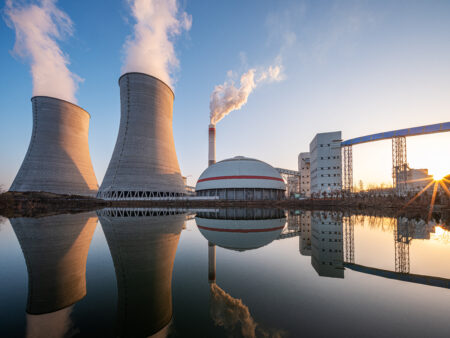
Conservative peer Olivia Bloomfield faces scrutiny over her ties to Terrestrial Energy, raising questions about lobbying, conflicts of interest, and the revolving door between politics and industry. Her case highlights broader concerns about transparency in the UK’s nuclear energy strategy.
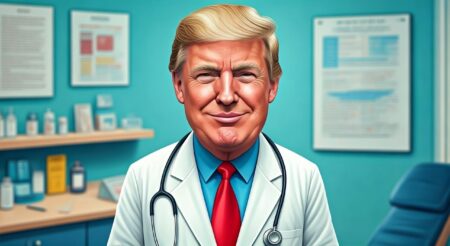
President Trump likens the U.S. economy to a patient recovering from surgery as tariffs bite.
Critics warn the treatment may kill the patient before healing begins.
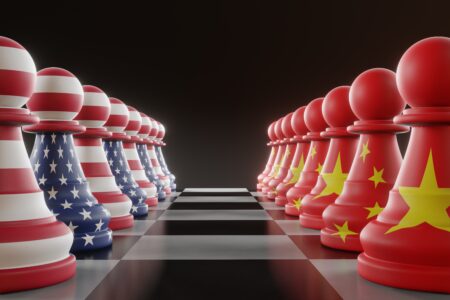
Global stock markets plunged after President Trump imposed sweeping tariffs under emergency powers, including a baseline 10% levy and up to 54% on Chinese imports. China retaliated with a 34% tariff on U.S. goods, fuelling fears of a prolonged trade war and triggering sharp declines across major indices worldwide .

Huawei representatives faced a Brussels court this week, accused of corruption and money laundering linked to their lobbying efforts in the EU. As the investigation unfolds, it could reshape how foreign entities operate within European institutions.
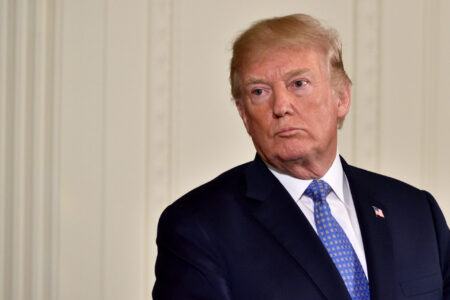
Trump’s sweeping new tariffs are shaking up global trade, hitting economies on every continent. As nations scramble to respond, a protracted trade war looms on the horizon.

Patriots for Europe has launched an unprecedented transparency offensive, submitting 86 freedom of information requests to the European Commission demanding access to thousands of EU contracts with NGOs. With the Commission rejecting these requests, Brussels now braces for a political clash as PfE prepares appeals and possible legal action.

Consumer confidence in the US has plunged to its lowest level in over two years, as inflation and trade tensions grip the economy. New tariffs and regulatory upheaval are fuelling uncertainty across markets and households alike.
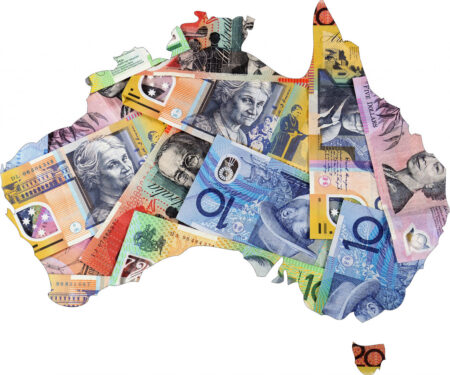
Labor’s 2025 federal budget delivers tax cuts, energy rebates and health spending aimed at easing cost-of-living pressure. With an election looming, the government is banking on short-term relief to shore up voter support.

San Francisco’s new mayor is turning to tech titans to rescue a city in crisis.

Qantas Chairman John Mullen has warned that Australia’s heavy reliance on imported fuel puts the nation at serious risk of supply disruptions. With domestic refining capacity dwindling, he urges urgent action to strengthen energy security.
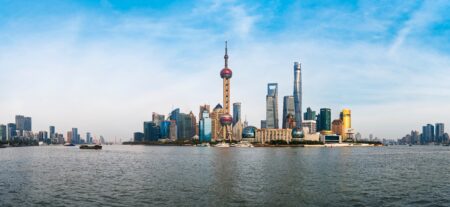
Meta faces growing backlash after a whistleblower accused it of making concessions to China, including censorship tools and restricting dissidents, to regain market access. Lawmakers are pushing for an investigation, while Meta denies the allegations.
Bank of America’s CEO Brian Moynihan faces intensifying criticism amid accusations of political friction and internal stagnation.
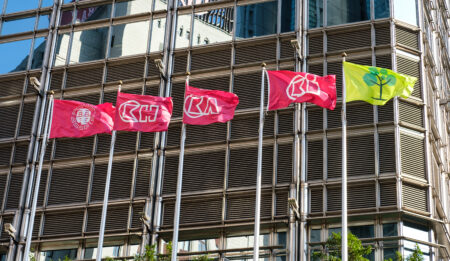
CK Hutchison’s $22.8bn ports sale to a U.S.-led consortium ignites geopolitical backlash from Beijing.

Greenland’s election has dealt a blow to U.S. Arctic ambitions, with voters backing the pro-business Demokraatit Party over pro-independence rivals. The result signals a preference for economic stability and strong ties with Denmark, complicating Washington’s efforts to expand influence in the resource-rich region.
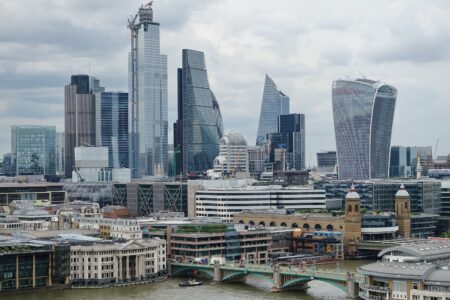
UK financial regulators scrap mandatory diversity rules, sparking debate over growth, governance, and workplace inclusion.

Europe’s surge in defence spending is fuelling a boom for industry giants like Rolls-Royce and reshaping investment strategies across the continent.
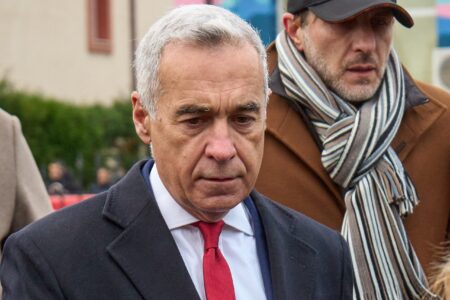
Romania bars far-right candidate Călin Georgescu from the presidential race, sparking protests and international scrutiny.

Anneliese Dodds resigns as International Development Minister in protest against Labour’s foreign aid cuts, exposing tensions within Keir Starmer’s leadership.

Sadiq Khan’s ambitious London Growth Plan aims to supercharge the capital’s economy with a £107bn boost, 150,000 new jobs, and major infrastructure upgrades—but critics warn of political and financial roadblocks.
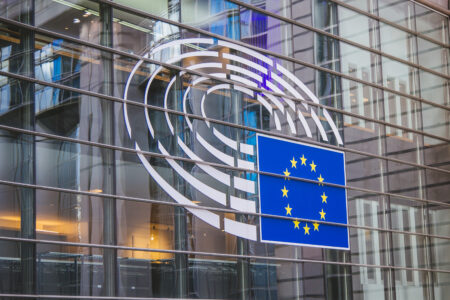
EU eyes €200 billion in frozen Russian assets to rebuild Ukraine—risking legal battles and global financial shockwaves.
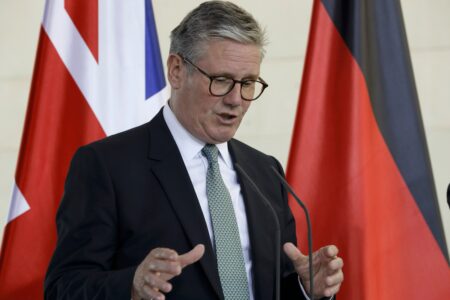
Keir Starmer sparks fierce debate by cutting UK aid to ramp up defence spending, redefining Britain’s global role amid rising geopolitical tensions.
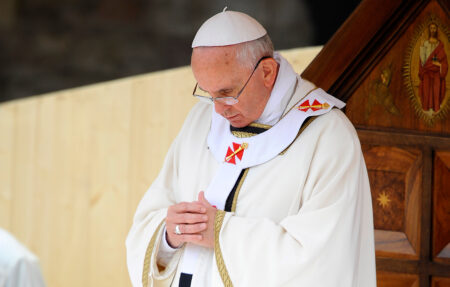
Pope Francis’s severe health crisis fuels succession speculation, intensifying internal Church divisions.
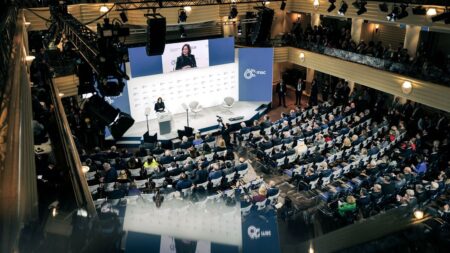
World leaders gather in Munich to tackle escalating global security threats, from Ukraine to NATO burden-sharing.
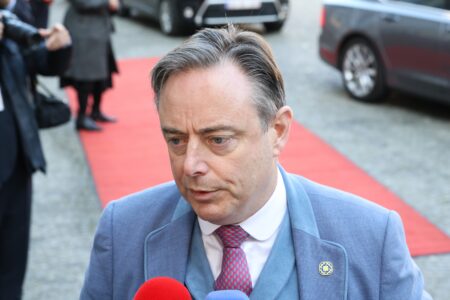
Belgium’s new PM Bart De Wever pushes back against EU overregulation, calling for a pro-business shift to boost Europe’s competitiveness.
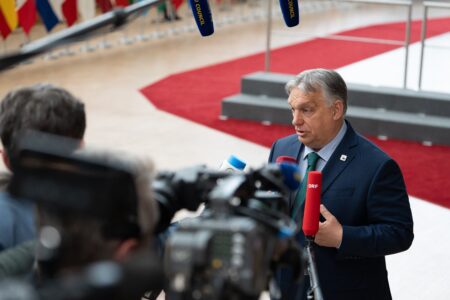
Far-right leaders unite in Madrid, vowing to reshape Europe with nationalist policies and Trump-inspired rhetoric.

With the Munich Security Conference (MSC) set to commence on February 14, 2025, global leaders and policymakers are preparing to address pressing international security challenges. The conference, held annually at Munich’s Hotel Bayerischer Hof, serves as a premier platform for discussions on global security issues.
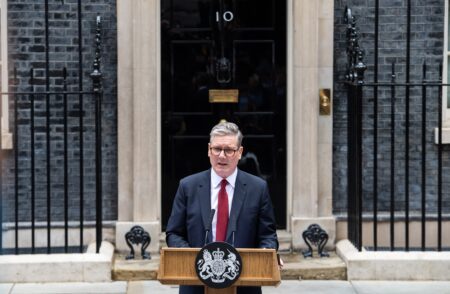
Prime Minister Sir Keir Starmer has insisted that the UK is “not choosing between the US and the EU” following President Donald Trump’s threat to impose trade tariffs on the European Union.
The Micula Case is A Precarious Precedent in Investor-State Arbitration

National Bullying Prevention Month and Effective Anti-Bullying Approaches for Parents and Children
- « Previous
- 1
- 2
- 3
- 4
- Next »