Poland faces fiscal strain amid deep political divisions

Mace | 28th May 2025 | Brussels, International
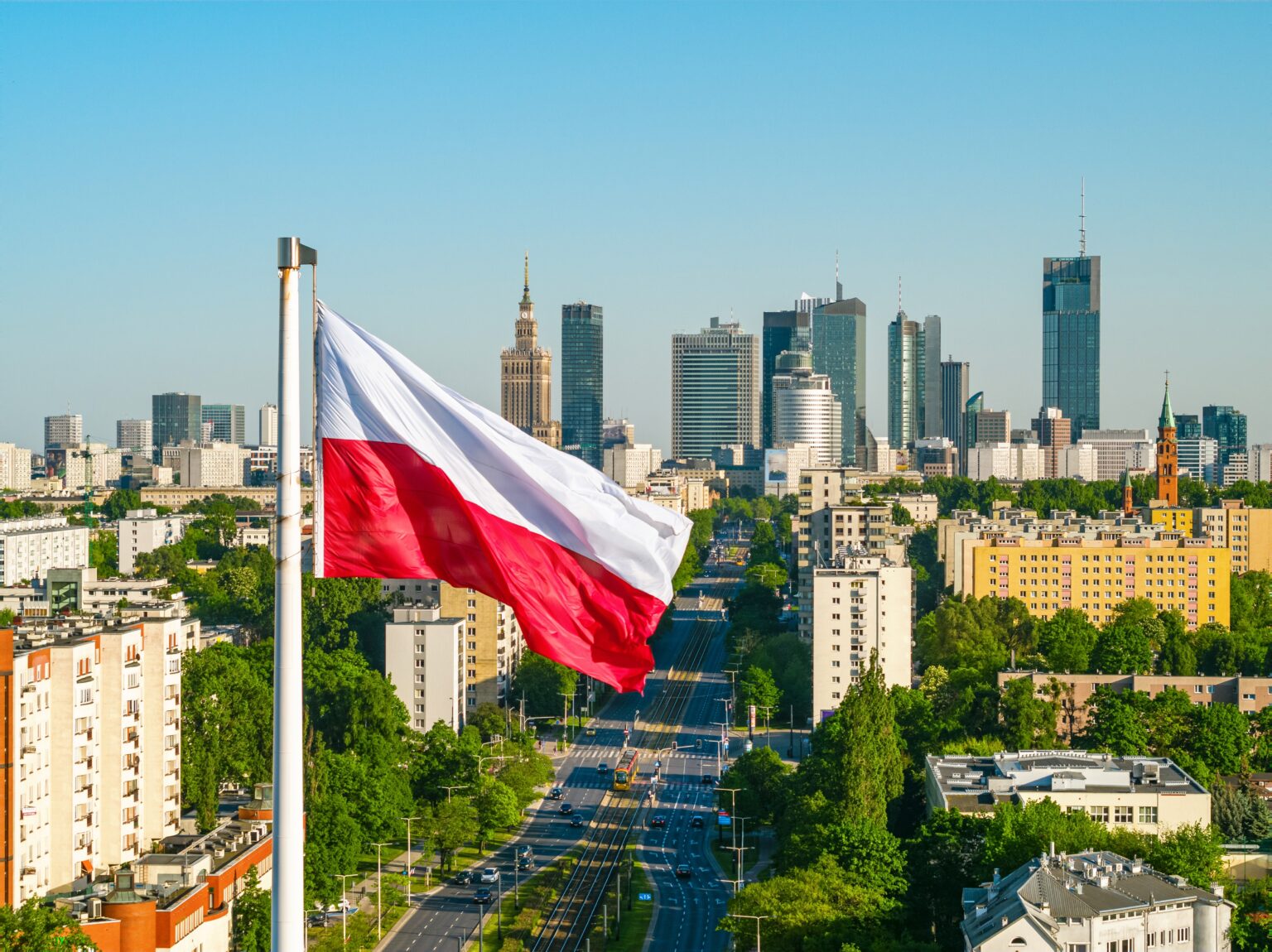
Polish,National,White,And,Red,Flag,Against,Skyscrapers,In,Warsaw

Poland’s public deficit hit 6.6% of GDP in 2024, driven by defence and social spending. Rising debt, polarised politics, and stalled reforms have raised concerns among ratings agencies and EU institutions. With a 3% target set for 2028, analysts question whether fiscal consolidation is possible without broad political consensus.

Poland's general government deficit reached 6.6% of GDP in 2024, marking the highest level since 2020. This increase was driven by elevated spending on defence, social programmes, and infrastructure investments. The deficit surpassed both the government's forecast of 5.7% and the previous year's 5.3% figure. The country's public debt rose to 55.3% of GDP in 2024, up from 49.5% the previous year. This increase was attributed to higher expenditures and slower-than-expected revenue growth. S&P Global affirmed Poland's credit rating at 'A-' with a stable outlook but cautioned that political polarisation is hindering fiscal consolidation efforts. The agency noted that the government's ability to implement spending cuts is constrained by the risk of electoral backlash. The Polish government has pledged to reduce the deficit to the EU's 3% target by 2028. However, the OECD has expressed concerns about the feasibility of this plan, given the current fiscal trajectory and political landscape. Poland's defence spending reached 4.1% of GDP in 2024, the highest among NATO members. The government has requested the EU to exempt such expenditures from fiscal rules, arguing that they are essential for regional security. The country's political environment remains deeply polarised, with significant divisions between liberal and nationalist factions. This polarisation complicates consensus on fiscal reforms and long-term economic planning. The European Commission has indicated that Poland may be subject to the Excessive Deficit Procedure due to its high deficit levels. This would require the government to submit regular reports on measures taken to reduce the deficit. In response to these challenges, the government has outlined a medium-term fiscal plan aiming for gradual consolidation. However, analysts remain sceptical about the plan's effectiveness without significant policy adjustments. The International Monetary Fund has advised Poland to exercise caution regarding further fiscal loosening, highlighting the risks of unsustainable debt growth and the need for compliance with EU fiscal rules. As Poland navigates these fiscal challenges, the interplay between economic policy and political dynamics will be critical in determining the country's financial stability in the coming years....

Subscribe to The Mace

Join the member community shaping British politics and stay ahead of what's really happening in the world of politics and public affairs, with expert analysis, breaking news, and insider insights from Westminster and Brussels. The Mace is the leading news source and resource for the government affairs industry, offering required reading and lobby intelligence for professionals.

To see what you are missing out on by not subscribing to The Mace, click here to download our full membership info-pack. This includes having no paywall on op-ed content or profiles/interviews, allowing professional profiles to be read with maximum impact and visibility by government, special advisers, MPs, peers, civil servants, and policy and political decision-makers.

Merkel’s Legacy is in Tatters

Azeem Ibrahim OBE | June 30, 2026

How Angela Merkel Weakened the West and Handed Putin and Xi Leverage

‘Never bet against America’ SpaceX debut makes millions for the UK  

Lucy Carrier-Pilkington | June 16, 2026

The most highly anticipated stock market debut of the year, perhaps of all time, has delivered a huge win for UK investors.

Brussels Diary by Konstantinos Bogdanos: ‘The local bistros are half-empty as the Belgian middle class finds even a weekend meal an unaffordable luxury”

Konstantinos Bogdanos | May 26, 2026

Konstantinos Bogdanos, our regular Brussels Diarist, on how the bills for Europe’s political class are finally coming due in a city where the Belgian middle-class can't afford to

Are Labour eyeing a return to the EU? Mace investigates the key players involved 

Lucy Carrier-Pilkington | May 19, 2026

Recent comments by the former health secretary have plunged Brexit back into national conversation, but what does Labour actually think?

EU likely to shelve chemical reform amid industry pressure 

Lucy Carrier-Pilkington | May 6, 2026

The reform concerns a pre-existing law on the Regulation, Authorisation and Restriction of Chemicals (REACH) and has been in place since June 2007.  

King Charles: The real ‘special ingredient’ in our relationship with the USA 

Lucy Carrier-Pilkington | April 29, 2026

King Charles’s address to Congress was designed to steady a strained special relationship. Twelve standing ovations later, the Palace had given Downing Street something politics could not: a

Maritime trade bodies warn of citizens being caught in Iranian crossfire

Oliver Dean | March 12, 2026

As the Iranian conflict continues, maritime trade bodies have warned of the significant loss of human life thus far.

Britain faces a crisis of statecraft – not power.

Azeem Ibrahim OBE | March 9, 2026

Despite being criticised for its dwindling position on the world stage, Britain is not lacking in power. What it really needs is statesmanship.

US defence industry launches lobbying offensive against EU’s ‘Buy European’ push

Oliver Dean | February 20, 2026

As European policymakers push a 'Buy European' line, lobbyists and officials in Washington are keen to maintain dominance over the European arms market

Aviation trade bodies warn of four-hour queues unless changes are made

Mace | February 12, 2026

Trade bodies warn that biometric entry requirements will lead to massive delays for travellers