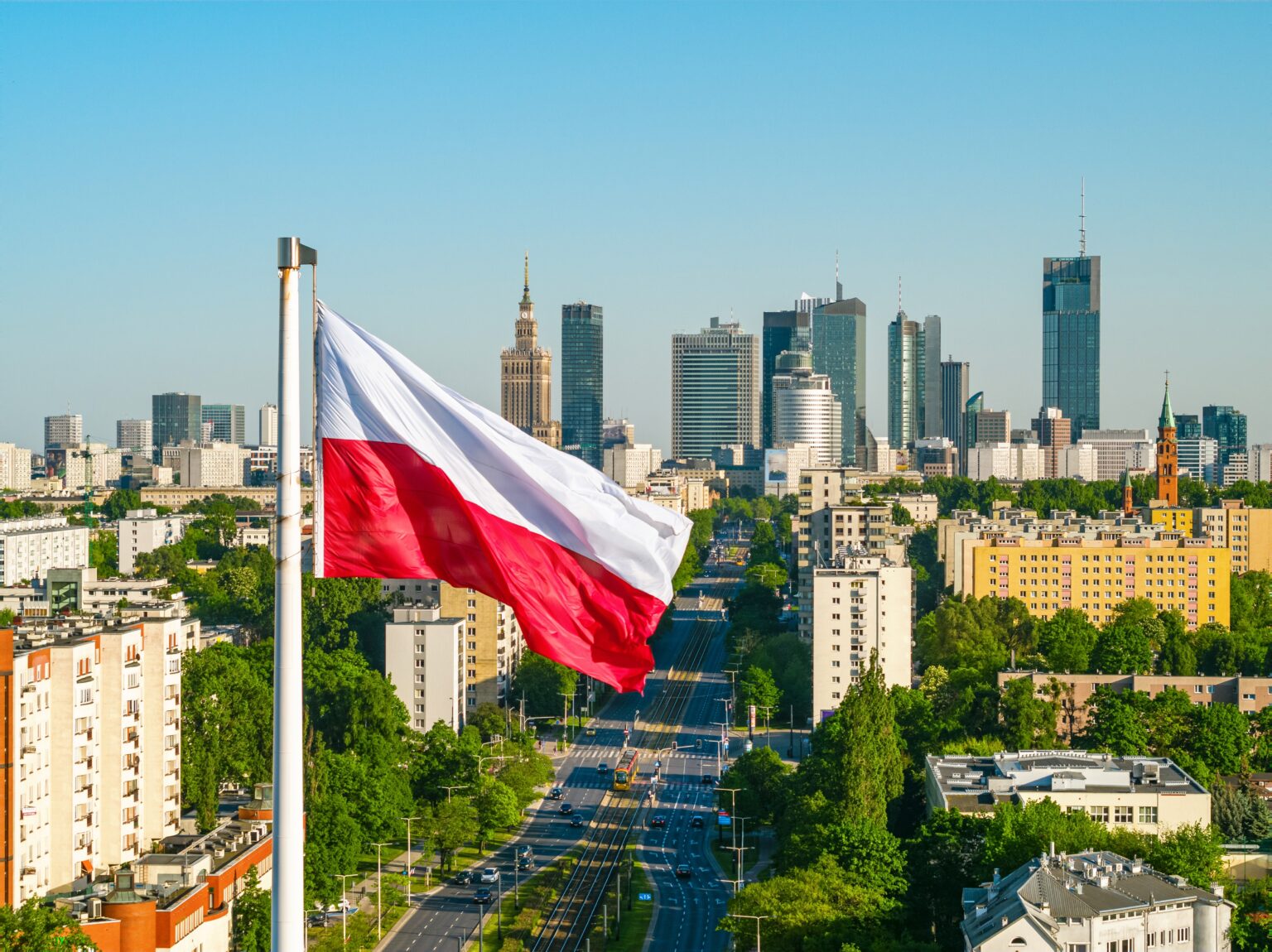
Poland faces fiscal strain amid deep political divisions

Mace | 28th May 2025 | Brussels, International
Polish,National,White,And,Red,Flag,Against,Skyscrapers,In,Warsaw

Poland’s public deficit hit 6.6% of GDP in 2024, driven by defence and social spending. Rising debt, polarised politics, and stalled reforms have raised concerns among ratings agencies and EU institutions. With a 3% target set for 2028, analysts question whether fiscal consolidation is possible without broad political consensus.

Poland's general government deficit reached 6.6% of GDP in 2024, marking the highest level since 2020. This increase was driven by elevated spending on defence, social programmes, and infrastructure investments. The deficit surpassed both the government's forecast of 5.7% and the previous year's 5.3% figure. The country's public debt rose to 55.3% of GDP in 2024, up from 49.5% the previous year. This increase was attributed to higher expenditures and slower-than-expected revenue growth. S&P Global affirmed Poland's credit rating at 'A-' with a stable outlook but cautioned that political polarisation is hindering fiscal consolidation efforts. The agency noted that the government's ability to implement spending cuts is constrained by the risk of electoral backlash. The Polish government has pledged to reduce the deficit to the EU's 3% target by 2028. However, the OECD has expressed concerns about the feasibility of this plan, given the current fiscal trajectory and political landscape. Poland's defence spending reached 4.1% of GDP in 2024, the highest among NATO members. The government has requested the EU to exempt such expenditures from fiscal rules, arguing that they are essential for regional security. The country's political environment remains deeply polarised, with significant divisions between liberal and nationalist factions. This polarisation complicates consensus on fiscal reforms and long-term economic planning. The European Commission has indicated that Poland may be subject to the Excessive Deficit Procedure due to its high deficit levels. This would require the government to submit regular reports on measures taken to reduce the deficit. In response to these challenges, the government has outlined a medium-term fiscal plan aiming for gradual consolidation. However, analysts remain sceptical about the plan's effectiveness without significant policy adjustments. The International Monetary Fund has advised Poland to exercise caution regarding further fiscal loosening, highlighting the risks of unsustainable debt growth and the need for compliance with EU fiscal rules. As Poland navigates these fiscal challenges, the interplay between economic policy and political dynamics will be critical in determining the country's financial stability in the coming years....

Subscribe to The Mace

Join the member community shaping British politics and stay ahead of what's really happening in the world of politics and public affairs, with expert analysis, breaking news, and insider insights from Westminster and Brussels. The Mace is the leading news source and resource for the government affairs industry, offering required reading and lobby intelligence for professionals.

To see what you are missing out on by not subscribing to The Mace, click here to download our full membership info-pack. This includes having no paywall on op-ed content or profiles/interviews, allowing professional profiles to be read with maximum impact and visibility by government, special advisers, MPs, peers, civil servants, and policy and political decision-makers.

Britain must take full advantage of trade outside the EU

Ted Newson | February 12, 2026

Five years since leaving the European Union, Britain has not yet taken advantage of the levers of free trade, writes Ted Newson

Scotch whisky tariff cut in China worth £250 million

Thomas Edwards | February 2, 2026

Britain has secured a significant win for Scotland’s iconic whisky industry, with China agreeing to cut tariffs on Scotch whisky from 10 per cent to 5 per cent.

Trump ruffles feathers at Davos, posing an uncertain future for NATO

Madeline Dabbah | January 29, 2026

Trump’s shifting Greenland strategy at Davos unsettles NATO, strains transatlantic trust, and leaves the UK balancing sovereignty principles against alliance stability

EU delays high-stakes industrial policy tool

Oliver Dean | January 23, 2026

EU institutions have postponed the release of a long-anticipated industrial policy instrument, a move that has frustrated several national governments and delayed work on broader competitiveness initiatives. Reporting

EU Parliament backs Critical Medicines Act, prompting warnings over Africa supply shocks

Oliver Dean | January 22, 2026

The European Parliament has backed its negotiating position on the EU’s proposed Critical Medicines Act, a flagship attempt to curb shortages and reduce reliance on external suppliers for

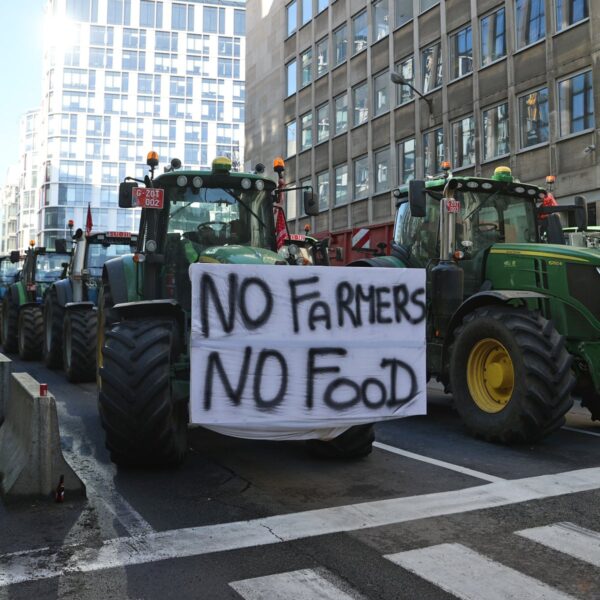
Farmers flood Strasbourg as EU Mercosur trade deal nears parliamentary vote

Mace | January 21, 2026

Thousands of farmers descended on the streets of Strasbourg and other European cities this week ahead of a key vote in the European Parliament on the controversial trade
Davos 2026 in the Age of Power Politics

William Cash | January 20, 2026

Davos is meant to be the place where the global public affairs class can compress a year of stakeholder management into five days, with a badge, a diary,

Gaza and the art of the deal

Mace | January 16, 2026

Trump secures ceasefire through dealmakers, but long term peace remains uncertain

Bayer Poised to Gain as EU Relaxes Rules on Gene Edited Crops

Mace | January 10, 2026

Bayer’s crop science ambitions gain momentum as the EU eases regulation of gene edited plants, opening pathways for agricultural innovation

China’s Economy Forecast to Grow 4.8% in 2026 on Export Strength

Mace | January 10, 2026

China is projected to grow 4.8 per cent in 2026, with export performance supporting economic expansion despite ongoing domestic challenges.