Burnham went to Kyiv. Now comes the harder journey to Washington
The Prime Minister’s first foreign visit was a welcome act of solidarity. But for Ukraine, British friendship will be judged by whether it can help unlock the air

The most highly anticipated stock market debut of the year, perhaps of all time, has delivered a huge win for UK investors.
In a letter written in 2021 by the then 90-year-old “Oracle of Omaha” Warren Buffett, he said: “In its brief 232 years of existence … there has been no incubator for unleashing human potential like America. Despite some severe interruptions, our country’s economic progress has been breathtaking. Our unwavering conclusion: Never bet against America.”
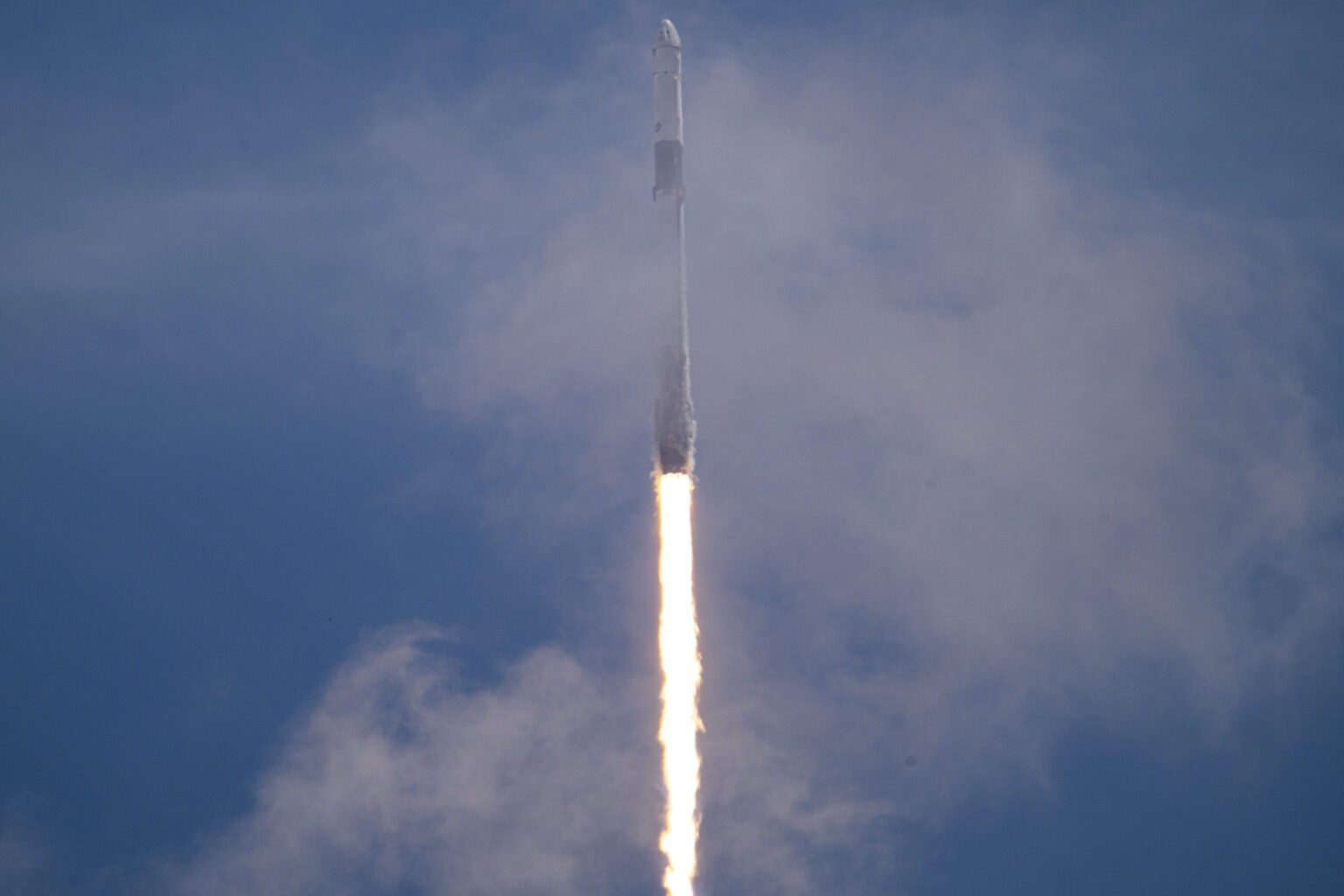
If there is any time to revisit this phrase, it is now. On Friday, Elon Musk became the world’s first trillionaire after his SpaceX rocket company made the biggest-ever stock market debut in history.
The entrepreneur has been at the epicentre of British media and conversation for months as he has continuously fired at Sir Keir Starmer, his government, and British society. Most recently, he branded the UK as a “police state” in response to the under-16 social media ban announced by Starmer on Monday. Musk said: “This censorship law is a wolf in sheep’s clothing. The real goal is to enable the UK government to track everyone.”
Earlier in the month, Starmer clapped back at Musk demanding him to stop interfering in UK politics. This came after the tech mogul posted on X about the murder of 18-year-old Henry Nowak, triggering public outcry and protests. The Prime Minister said: “Musk again has been interfering in our politics in the last few days, trying to whip up division. That is not who we are in Britain.”
However, despite the tech tycoon’s habitual interference in UK politics and public life, which has prompted questions over the legality of how he uses his platforms to influence the UK’s political discourse, his rocket and spacecraft company has delivered substantial returns for British investors.
Around 100,000 British buyers secured stock in the space tourism company, generating a collective first-day paper profit of £52 million. Shares in Musk’s company soared above their initial offering price, offering a significant boost to those who had gained access to shares. Those who applied for up to $2,700 (£2,013) in shares received the full amount, meaning a first-day paper profit of more than £350. Those who applied for more were scaled back to a maximum of 1,000 shares, which would have been worth $135,000 at the opening price.
“Notwithstanding SpaceX’s success and the returns it has delivered to UK investors, important ethical and economic dilemmas remain.”
The launch of SpaceX on Wall Street was easily the most hotly anticipated stock market float of the year. The company ended Friday’s session with a valuation of $2.1 trillion, making it the seventh-largest stock in the Nasdaq index and Elon Musk the world’s first trillionaire.
In a statement on Friday morning, Musk reiterated his mission statement to “make humanity multiplanetary” and “take the fiction out of science fiction”. However, notwithstanding SpaceX’s success and the returns it has delivered to UK investors, important ethical and economic dilemmas remain.
Gabriel Zucman, a French economist who studies extreme wealth, said: “There is a fundamental tension in democratic societies between extreme wealth … and the very possibility of a well-functioning democracy.
“After World War II, it looked like extreme wealth belonged to the past, but now, the AI boom is minting billionaires by the day”.
As the billionaire population increases and trillionaires begin to emerge, their influence on both national politics and geopolitics is likely to be significant. Thus far, the emergence of Musk as the world’s first trillionaire has been beneficial to the UK investment market. However, questions remain over how future power dynamics will evolve—not only between the UK and other nations, but also between governments and increasingly influential individuals.
The Prime Minister’s first foreign visit was a welcome act of solidarity. But for Ukraine, British friendship will be judged by whether it can help unlock the air
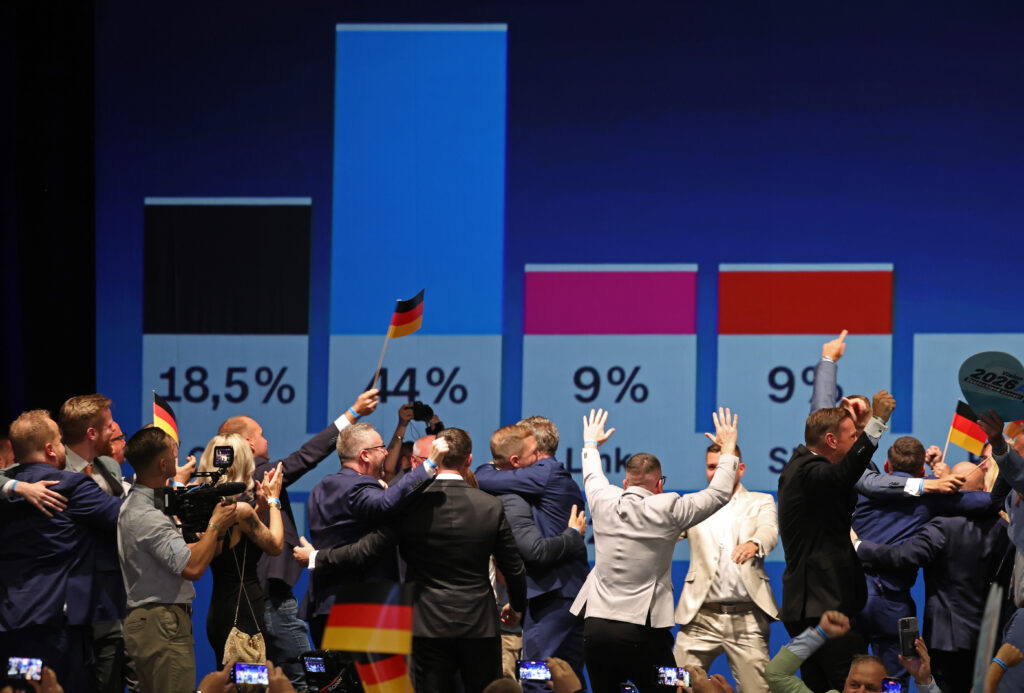
After walking through Saxony, James Jeffrey is not surprised by the AfD’s dramatic election win in Germany.
As speculation mounts over further tax rises, Britain’s ultra-rich investors and job creators are choosing to take their wealth elsewhere.

End Fuel Poverty Coalition coordinator Simon Francis examines the four stories politicians hear about electricity and gas, and argues that the fight over which story shapes the agenda
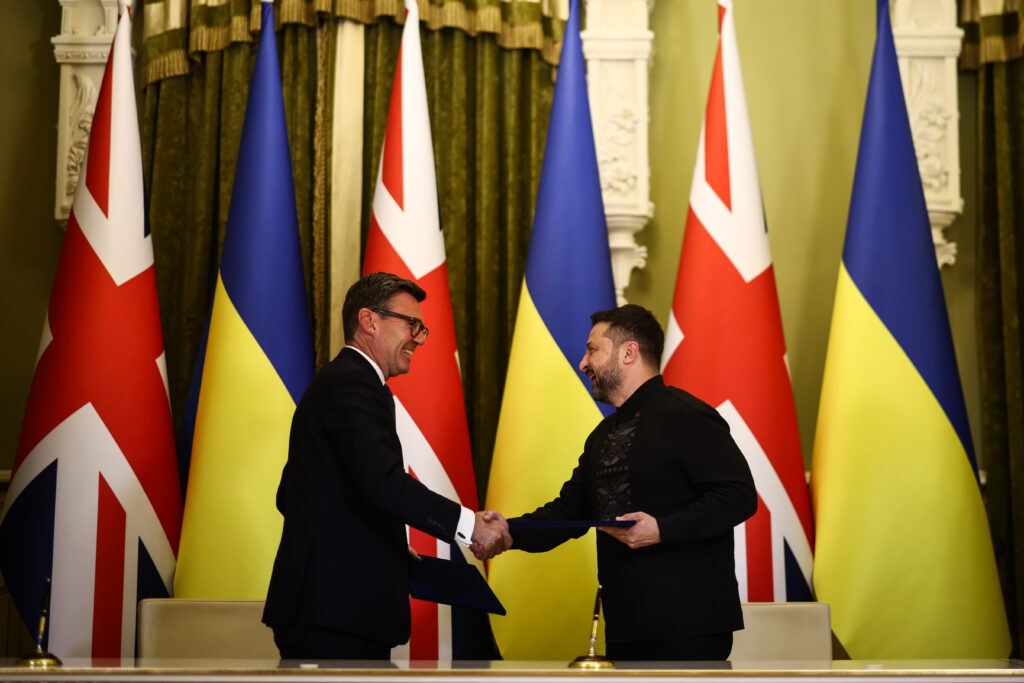
Andy Burnham has promised to keep the pressure on Russia despite Moscow’s “outrageous threats”, on his first official overseas visit to Ukraine as Prime Minister.

Andriy Dovbenko is a Ukrainian-born, London-based entrepreneur who works extensively across the UK and Ukrainian defence.

A former politician who held a number of senior roles in the UK Parliament over a decade, Brooks is now Founder and Chairman of Trypillian, a British-Ukrainian defence

How Angela Merkel Weakened the West and Handed Putin and Xi Leverage

New analysis reveals mixed results for the UK economy during this summer's tournament, with the hospitality sector reaching a record high and workplace productivity, unsurprisingly, worse for wear.

Danesh Mahadeva introduces a socially responsible approach to investment and wealth management.