Australia’s 2025 Budget Binge: Labor Bets Big Before the Ballot

Mace | 25th March 2025 | Uncategorised
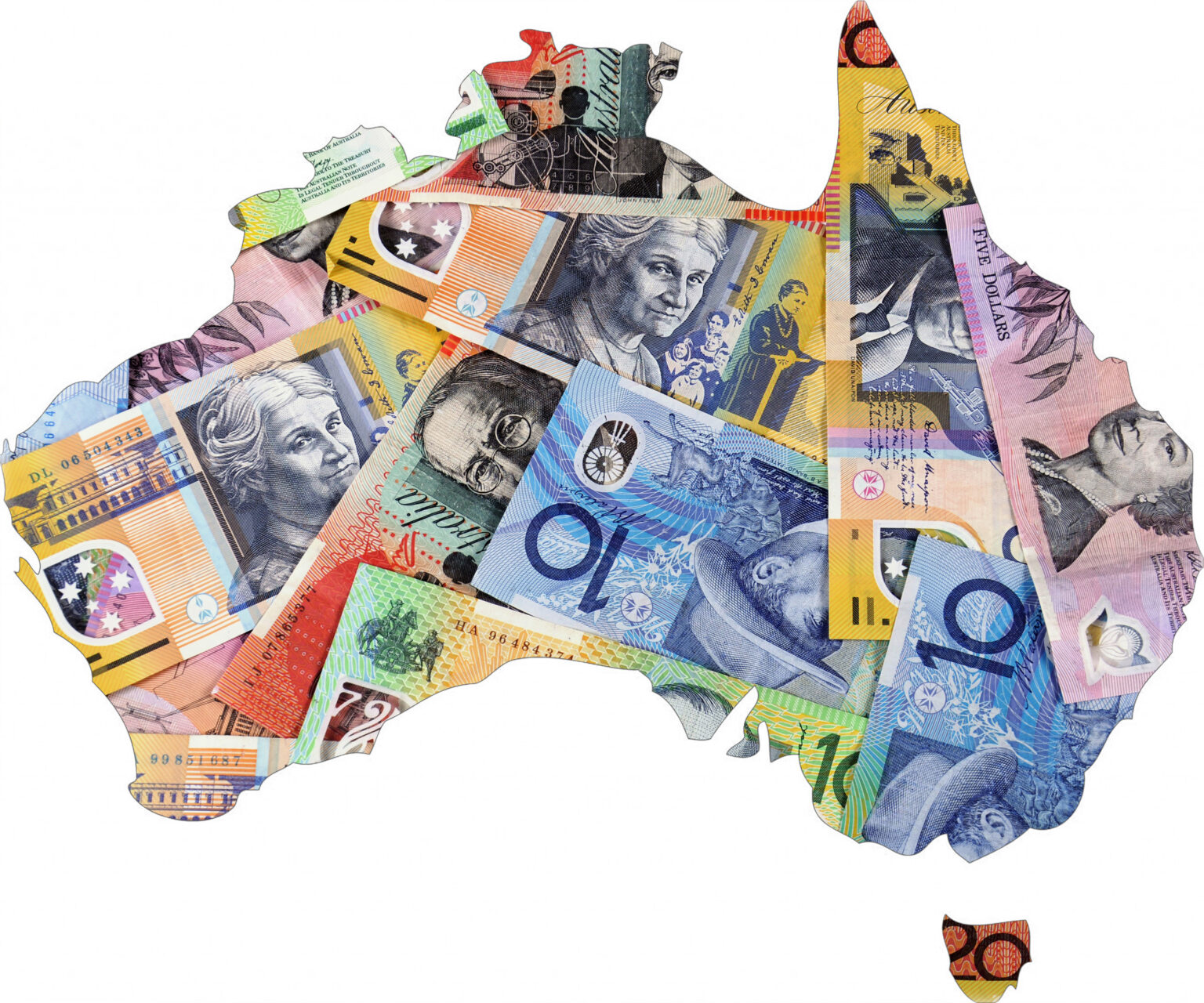
Map,Of,Australia,With,Australian,Money,Dollar,Notes.

Labor’s 2025 federal budget delivers tax cuts, energy rebates and health spending aimed at easing cost-of-living pressure. With an election looming, the government is banking on short-term relief to shore up voter support.

Labor has delivered a politically charged 2025 Federal Budget, centred on easing cost-of-living pressures while laying the groundwork for a return to deficit. Treasurer Jim Chalmers announced a $17.1 billion tax package aimed at low and middle-income earners, alongside a range of targeted spending measures. The budget comes ahead of an anticipated election later this year and includes support for households and small businesses, as well as large-scale investment in Medicare and education. The government is projecting a deficit of $27.6 billion for 2024–25, ending a two-year streak of surpluses and reflecting weaker-than-expected commodity prices and slowing global growth. The centrepiece of the budget is a staged reduction in the marginal tax rate for individuals earning between $18,201 and $45,000. The rate will fall from 16 per cent to 15 per cent from July 2026, and to 14 per cent from July 2027. Treasury estimates suggest these cuts will deliver annual savings of $268 in the first year, rising to $536 in 2027–28. The measure was previously forecast but confirmed in this year’s budget, forming part of a wider strategy to support wage earners impacted by sustained inflation and subdued real income growth. To help Australians manage rising energy prices, the government will provide a one-off $150 rebate on electricity bills for households and small businesses. This relief will be applied automatically through energy providers starting from 1 July 2025. The scheme mirrors earlier rebates used during the 2023 and 2024 fiscal years. Treasury has confirmed that this measure is included in the budget's expenditure estimates and will be funded through increased revenue from stronger-than-expected company tax receipts earlier in the financial year. The government has committed $8.5 billion over the forward estimates to expand Medicare access, increase bulk billing, and train new healthcare workers. Funding includes new scholarships for doctors and nurses and additional payments to general practices in low-income and rural areas. The aim is to ensure that 90 per cent of GP visits will be bulk billed by 2030. These measures are part of the government’s ongoing response to concerns over the affordability and accessibility of healthcare services, particularly for lower-income and regional Australians. In higher education, the government has announced a one-off 20 per cent reduction in all HELP student debt balances, effective from 1 June 2025. This will reduce student debt by $16 billion and benefit around three million Australians. The discount is designed to compensate for unexpectedly high indexation on student loans in 2023 and 2024, during which many balances rose sharply due to high inflation. The budget papers show the policy will be implemented through an amendment to the Higher Education Support Act and that administrative arrangements will be handled by the ATO. On housing, the government will proceed with the previously announced Help to Buy scheme. The program will allow eligible buyers to purchase a property with as little as a 2 per cent deposit, with the federal government contributing up to 40 per cent of the purchase price in exchange for equity. The scheme has been capped at 10,000 places per year. The budget also includes an increase to Commonwealth Rent Assistance, lifting the maximum payment by around $25 per fortnight. These measures are intended to address declining home ownership and rising rental stress, particularly among younger Australians. The return to deficit in 2024–25 is attributed to several external and domestic pressures. Treasury projects nominal GDP growth will slow to 3 per cent, well below previous forecasts. Key factors include falling iron ore prices, weak Chinese industrial output, and broader geopolitical instability. The budget papers note that continued global volatility, including trade uncertainty in the United States and Europe, poses a material risk to revenue over the forward estimates. The budget also accounts for a softening labour market, with unemployment forecast to rise to 4.5 per cent by the December quarter of 2025. Environmental funding is largely unchanged from the previous year. The proposed federal environment protection agency, initially promised for 2023, remains in planning. No major new environmental expenditure is included in this year’s budget, and the government’s previously announced reforms to the Environment Protection and Biodiversity Conservation Act have yet to pass the Senate. Advocacy groups have raised concerns about delays, particularly in relation to regulatory approvals for large-scale aquaculture and infrastructure projects. Budget papers indicate that further announcements on climate and environment policy are expected in the second half of the year. Criticism of the budget has come from the opposition and several crossbench MPs, focused largely on the temporary nature of many measures and the absence of broader productivity reforms. ...

Subscribe to The Mace

Join the member community shaping British politics and stay ahead of what's really happening in the world of politics and public affairs, with expert analysis, breaking news, and insider insights from Westminster and Brussels. The Mace is the leading news source and resource for the government affairs industry, offering required reading and lobby intelligence for professionals.

To see what you are missing out on by not subscribing to The Mace, click here to download our full membership info-pack. This includes having no paywall on op-ed content or profiles/interviews, allowing professional profiles to be read with maximum impact and visibility by government, special advisers, MPs, peers, civil servants, and policy and political decision-makers.

Kemi’s true blue purge, with help from Sir Philip May

William Cash | July 26, 2026

The news that former Home Secretary Sir Grant Shapps has failed to make the new Tory candidate list has put fear into dozens of former Conservative MPs. Whether

UK ‘global investor’ visa proposed by lobby group to bring back UK’s non-doms

Lucy Carrier-Pilkington | April 23, 2026

New 'global investor visa' proposed by lobby group as UK struggles to attract the super-rich

London Elections latest polling: Green gains and Labour out

Lucy Carrier-Pilkington | April 22, 2026

Latest polling from YouGov suggests major gains for Greens and Reform UK in the capital.

Greens win Gorton and Denton

Oliver Dean | February 27, 2026

The Green's victory reflects a changing mindset in British politics

Green Party leader gets new communications advisor

Oliver Dean | February 17, 2026

Polanski's new communications advisor shows that the Green Party leader is serious about his public image.

Trade body describes the Government’s new electric HGV plan as a ‘monumental challenge’

Oliver Dean | February 17, 2026

With only 1 in 70 new HGV's being electric, the government must assist with infrastructure investment says industry leader

Blakeney bolsters its team with new additions

Madeline Dabbah | February 13, 2026

Blakeney has welcomed former drinks company Oatly managing director Tim Knight and pro-Brexit MEP Lucy Harris, in an effort to strengthen their position, the public affairs and strategic

Hanbury goes global

Oliver Dean | February 13, 2026

Hanbury's decision to erect offices in Washington and Sydney showcases the firms' strong public image.

Mandelson’s lobbying firm in disarray as CEO departs

Oliver Dean | February 6, 2026

Benjamin Wegg-Prosser, who co-founded the lobbying firm Global Counsel alongside Peter Mandelson has today resigned following significant backlash regarding the firm’s link to Jeffrey Epstein.

Russell Group turns to public policy veteran for next phase of university lobbying

Thomas Edwards | January 21, 2026

The Russell Group has picked Professor Libby Hackett, an Australia based public policy specialist, as its next chief executive, handing the UK’s most influential research university lobby to