Jamie Dimon targets corporate meeting culture at JPMorgan

Mace | 12th June 2025 | International
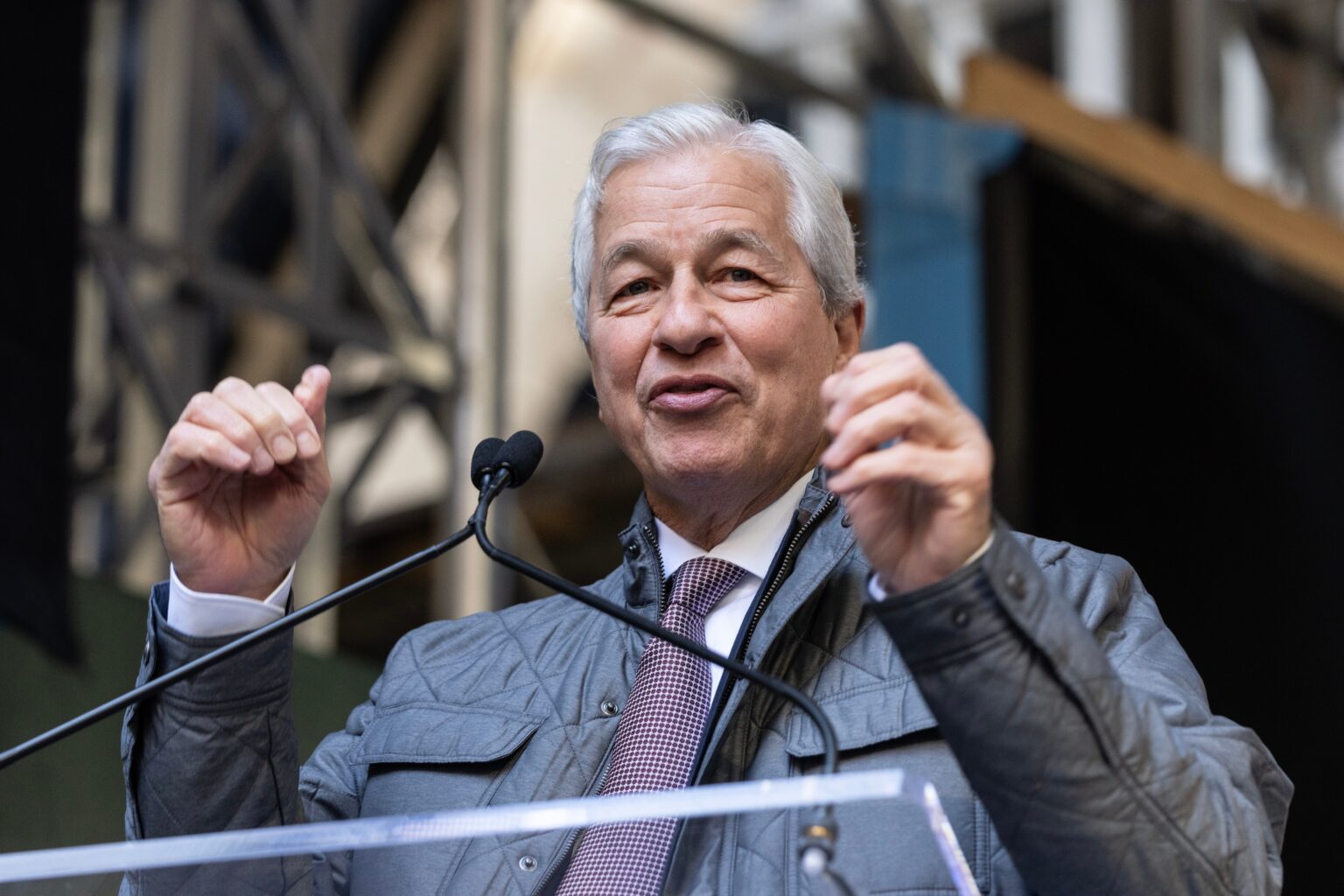
Jamie,Dimon,Speaks,During,Ceremony,For,Final,Steel,Beam,Wrapped

JPMorgan CEO Jamie Dimon has criticised internal meetings as hubs of inefficiency and political manoeuvring. Speaking at a financial conference, he called for sharper, outcome-driven practices, urging staff to eliminate unproductive habits, especially in the wake of hybrid work. His comments accompany broader reforms aimed at reducing bureaucracy across the firm.

At the Morgan Stanley Financial Conference, JPMorgan Chase’s chief executive addressed the issue of corporate meetings, describing many as breeding grounds for internal politics and inefficiency. He argued that some meetings are specifically structured to impress senior leadership rather than address actual business challenges, urging a shift to genuine problem‑solving that targets core issues. In his remarks, the chief executive emphasised radical transparency in meeting conduct. He encouraged managers to openly present pressing operational problems instead of glossing over them, with the intention of fostering candid discussion about business challenges. He drew attention to examples of resource competition within teams, where individuals vie for credit on revenues and expenses, resulting in misallocation and dishonesty. The focus on individual performance was identified as detracting from collective business objectives. Highlighting internal practices, he referenced the small business credit card division as an example. He directed attention towards asking deeper strategic questions about competitors, such as marketing effectiveness and investment returns, rather than presenting superficial financial data. He also called out generic CEO letters and dense regulatory documents as unhelpful clutter, suggesting that both communication and compliance frameworks can exacerbate internal politics when clarity is lacking. His comments formed part of a broader push at the firm to cut back on bureaucracy. The bank has implemented measures to eliminate unnecessary meetings, reduce excessive documentation and condense committee reviews to drive greater efficiency. In a broader context, these remarks follow earlier discussions about the drawbacks of remote work. The chief executive has previously pointed to hybrid working models fostering unproductive meeting habits and inhibiting innovation and efficiency. The CEO has mandated a return to in‑office work for all employees, arguing that physical presence helps counteract idle meeting culture and promotes more dynamic interaction. He expects departments to boost efficiency by at least ten per cent, with initial emphasis on reducing redundant reports, meetings and training sessions. These statements follow an internal town‑hall session in Ohio, where pressure from staff led to debate on the five‑day presence rule. The CEO rebutted efforts to reverse the policy, referencing the broader agenda to streamline internal processes and enhance performance. JPMorgan Chase continues to maintain its position as the largest US bank by assets. That scale underscores the significance of internal culture shifts, as the firm seeks to balance regulatory obligations with operational rigor in response to post‑pandemic expectations....

Subscribe to The Mace

Join the member community shaping British politics and stay ahead of what's really happening in the world of politics and public affairs, with expert analysis, breaking news, and insider insights from Westminster and Brussels. The Mace is the leading news source and resource for the government affairs industry, offering required reading and lobby intelligence for professionals.

To see what you are missing out on by not subscribing to The Mace, click here to download our full membership info-pack. This includes having no paywall on op-ed content or profiles/interviews, allowing professional profiles to be read with maximum impact and visibility by government, special advisers, MPs, peers, civil servants, and policy and political decision-makers.

Merkel’s Legacy is in Tatters

Azeem Ibrahim OBE | June 30, 2026

How Angela Merkel Weakened the West and Handed Putin and Xi Leverage

‘Never bet against America’ SpaceX debut makes millions for the UK  

Lucy Carrier-Pilkington | June 16, 2026

The most highly anticipated stock market debut of the year, perhaps of all time, has delivered a huge win for UK investors.

EU likely to shelve chemical reform amid industry pressure 

Lucy Carrier-Pilkington | May 6, 2026

The reform concerns a pre-existing law on the Regulation, Authorisation and Restriction of Chemicals (REACH) and has been in place since June 2007.  

King Charles: The real ‘special ingredient’ in our relationship with the USA 

Lucy Carrier-Pilkington | April 29, 2026

King Charles’s address to Congress was designed to steady a strained special relationship. Twelve standing ovations later, the Palace had given Downing Street something politics could not: a

Maritime trade bodies warn of citizens being caught in Iranian crossfire

Oliver Dean | March 12, 2026

As the Iranian conflict continues, maritime trade bodies have warned of the significant loss of human life thus far.

Britain faces a crisis of statecraft – not power.

Azeem Ibrahim OBE | March 9, 2026

Despite being criticised for its dwindling position on the world stage, Britain is not lacking in power. What it really needs is statesmanship.

US defence industry launches lobbying offensive against EU’s ‘Buy European’ push

Oliver Dean | February 20, 2026

As European policymakers push a 'Buy European' line, lobbyists and officials in Washington are keen to maintain dominance over the European arms market

Scotch whisky tariff cut in China worth £250 million

Thomas Edwards | February 2, 2026

Britain has secured a significant win for Scotland’s iconic whisky industry, with China agreeing to cut tariffs on Scotch whisky from 10 per cent to 5 per cent.

Trump ruffles feathers at Davos, posing an uncertain future for NATO

Madeline Dabbah | January 29, 2026

Trump’s shifting Greenland strategy at Davos unsettles NATO, strains transatlantic trust, and leaves the UK balancing sovereignty principles against alliance stability

Davos 2026 in the Age of Power Politics

William Cash | January 20, 2026

Davos is meant to be the place where the global public affairs class can compress a year of stakeholder management into five days, with a badge, a diary,