Elon Musk’s Role Shift Highlights the Perils of Mixing Business and Politics

Mace | 23rd April 2025 | Washington
Paris,,France,-,June,16,,2023:,Elon,Musk,,Founder,,Ceo,

Elon Musk is stepping back from his role in Trump’s administration to tackle mounting challenges at Tesla, which is facing falling profits, rising competition, and production woes. His political involvement, once praised for its innovation, drew criticism over ethical conflicts and blurred public-private lines. Now, as Tesla battles economic headwinds, Musk aims to restore investor confidence.

Elon Musk, the billionaire entrepreneur synonymous with the rise of electric vehicles and private space exploration, has decided to reduce the time he spends in Donald Trump’s administration and focus on the challenges facing Tesla. This change comes amid notable financial setbacks for the automaker, which recently reported a substantial decline in both revenue and profits. Musk’s tenure in Trump’s administration has been seen as both a bold step forward and a lightning rod for controversy. Supporters have lauded his ability to carry the spirit of innovation into the policymaking process, using his entrepreneurial vision to influence debates on technology and infrastructure. However, critics have loudly questioned the ethical quandaries of having a prominent corporate leader occupying a governmental position, especially one whose companies stood to gain from shifts in energy and environmental policies. These concerns were magnified by Tesla’s reliance on government subsidies over the years, which opponents argued created a conflict of interest that could erode public trust. Tesla’s recent financial struggles have added another layer of complexity to Musk’s withdrawal from politics. Once the undisputed leader in the electric vehicle market, Tesla is now grappling with stronger competition from traditional automakers and ambitious start-ups. Legacy brands like Ford and General Motors have launched competitive electric vehicle platforms, while new entrants such as Rivian continue to chip away at Tesla’s market share. Meanwhile, Tesla has had to deal with production delays, supply chain issues, and a decline in public sentiment over its perceived inability to meet customer demands. This climate has left investors increasingly concerned about the company’s future. The decision to focus on Tesla also signals Musk’s recognition that economic headwinds are threatening the automaker’s long-held dominance. Inflationary pressures, rising material costs for key components like lithium and cobalt, and geopolitical tensions disrupting supply chains have worsened Tesla’s operational challenges. Analysts argue that Musk, who has built his reputation on risk-taking and long-term vision, is now being tested in his ability to guide Tesla through this tough period. His return is likely aimed at reinstating confidence among both investors and consumers who look to him as a symbol of Tesla’s innovation. Stepping back from politics is not, however, without its repercussions. Musk has played a controversial but pivotal role in the Trump administration, especially in discussions around clean energy policy and infrastructure investment. His advocacy for advanced technologies, including renewable energy initiatives and space exploration, have brought heightened attention to these topics on Capitol Hill. However, his critics alleged that his involvement in politics has blurred the line between public service and private interest. Transparency advocates have argued that Musk’s dual role—as both a policymaker and a businessman with significant financial stakes in the policies he influenced—has presented an insurmountable ethical dilemma. The broader implications of Musk’s decision also open a wider debate around the increasing entanglement of corporate executives in government. His move away from the administration has reignited discussions over the appropriateness of significant figures in the private sector occupying influential roles in public policymaking. While corporate leaders bring valuable perspectives to government, the risks of self-enrichment and erosion of public trust remain a persistent concern. Musk’s legacy in this regard is polarised, with some viewing his tenure as a welcome experiment in blending business acumen with governance, while others see it as evidence of the problems that arise when private interests enter public office. Tesla itself has much to gain or lose from this recalibration. Not only does Musk’s leadership define the company’s public image, but it also plays a critical role in shaping operational strategy and innovation. His unparalleled ability to generate excitement around Tesla’s brand and products cannot be easily replicated. However, his leadership style—which some critics describe as impulsive and alienating for employees—is also a double-edged sword. Musk’s hands-on approach and high-profile presence at Tesla will undoubtedly shape its trajectory in the volatile automotive and renewable energy industries over the next few years. For the Trump administration, Musk’s departure represents a symbolic loss of one of its most high-profile figures from the corporate world. When Musk initially joined the administration, his presence was framed as evidence of Trump’s ability to cross-pollinate innovation between the private and public sectors. Musk’s exit not only weakens that narrative but also highlights the limitations of recruiting private-sector titans for public service, as the contrasting demand...

Subscribe to The Mace

Join the member community shaping British politics and stay ahead of what's really happening in the world of politics and public affairs, with expert analysis, breaking news, and insider insights from Westminster and Brussels. The Mace is the leading news source and resource for the government affairs industry, offering required reading and lobby intelligence for professionals.

To see what you are missing out on by not subscribing to The Mace, click here to download our full membership info-pack. This includes having no paywall on op-ed content or profiles/interviews, allowing professional profiles to be read with maximum impact and visibility by government, special advisers, MPs, peers, civil servants, and policy and political decision-makers.

Checkmate DC’s bold London move

William Cash | June 5, 2026

Tristan Breijer is the new London head of Checkmate Government Relations. The move into London gives the US lobby firm its first European base, bringing its global power-broking

Pagefield and WPI’s merger throws into question the boutique PA firm model

Mace | March 26, 2026

As the two firms face a merger, the question over the longevity of the boutique firm is put under the spotlight.

US defence industry launches lobbying offensive against EU’s ‘Buy European’ push

Oliver Dean | February 20, 2026

As European policymakers push a 'Buy European' line, lobbyists and officials in Washington are keen to maintain dominance over the European arms market

Hanbury goes global

Oliver Dean | February 13, 2026

Hanbury's decision to erect offices in Washington and Sydney showcases the firms' strong public image.

US House Approves Defence Bill Aimed at Strengthening Europe’s Security

Mace | December 29, 2025

The US House passes a defence bill locking in troop levels and funding Ukraine, signalling continued congressional support for Europe’s security.

US Bars Former EU Commissioner Thierry Breton in Escalating Tech Regulation Row

Mace | December 29, 2025

Washington imposes travel bans on Thierry Breton and others, deepening transatlantic tensions over online regulation, free speech and tech rules.

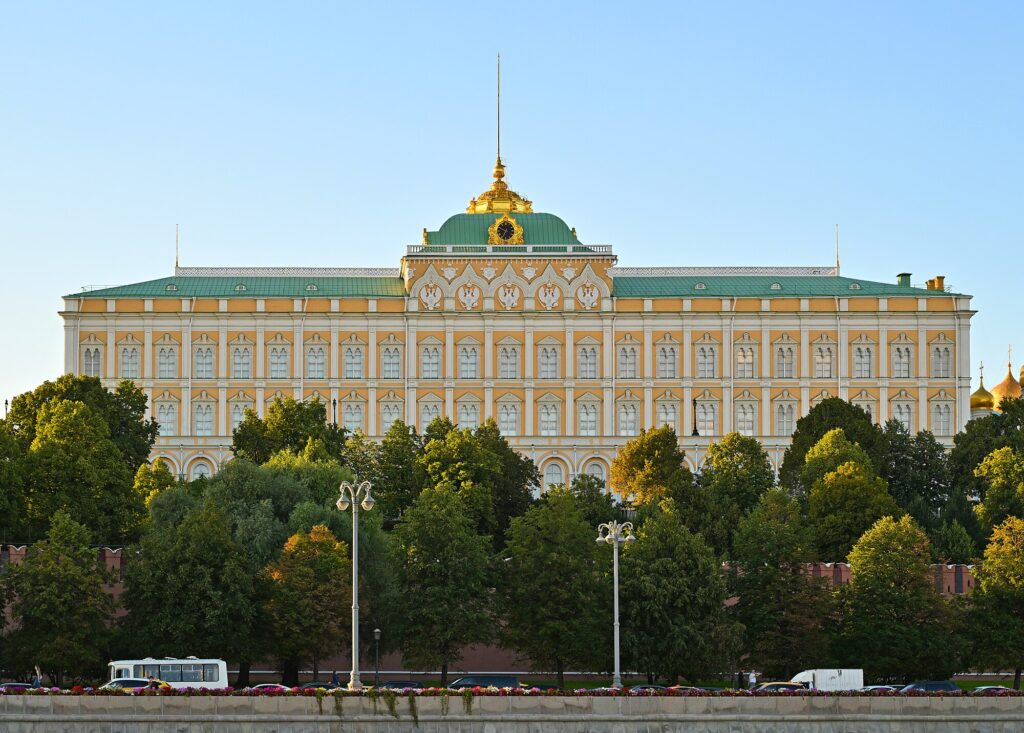
Kremlin Welcomes New US Security Strategy as Broadly Aligned With Russian Vision

Mace | December 29, 2025

Moscow says a new US security strategy mirrors Russian views on stability and dialogue, prompting mixed reactions across Europe and allies.
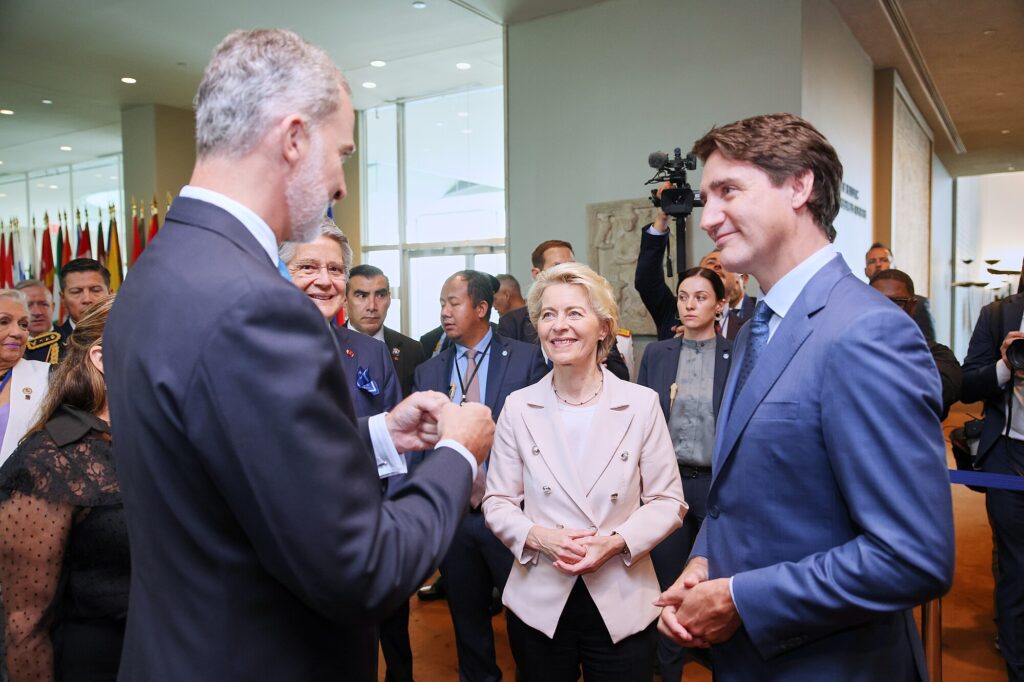
Don’t meddle in European democracy, von der Leyen tells Trump

Mace | December 15, 2025

Brussels pushes back against Washington as Ursula von der Leyen warns the Trump administration to stay out of Europe’s democratic choices.
Democratic Led States Sue Trump Over $100,000 H-1B Visa Fee

Mace | December 13, 2025

Twenty US states challenge Trump’s $100,000 H-1B visa fee, arguing it exceeds presidential authority and threatens labour markets.

Moscow Bristles as Brussels Moves to Turn Frozen Russian Assets into Long Term Ukraine Lifeline

Mace | December 12, 2025

Russia threatens legal and economic retaliation as the EU advances plans to leverage frozen Kremlin reserves for sustained Ukrainian financing
