Hungary Eyes U.S. Deal to Shield Key Industries from Tariff Impact

Mace | 18th April 2025 | Uncategorised
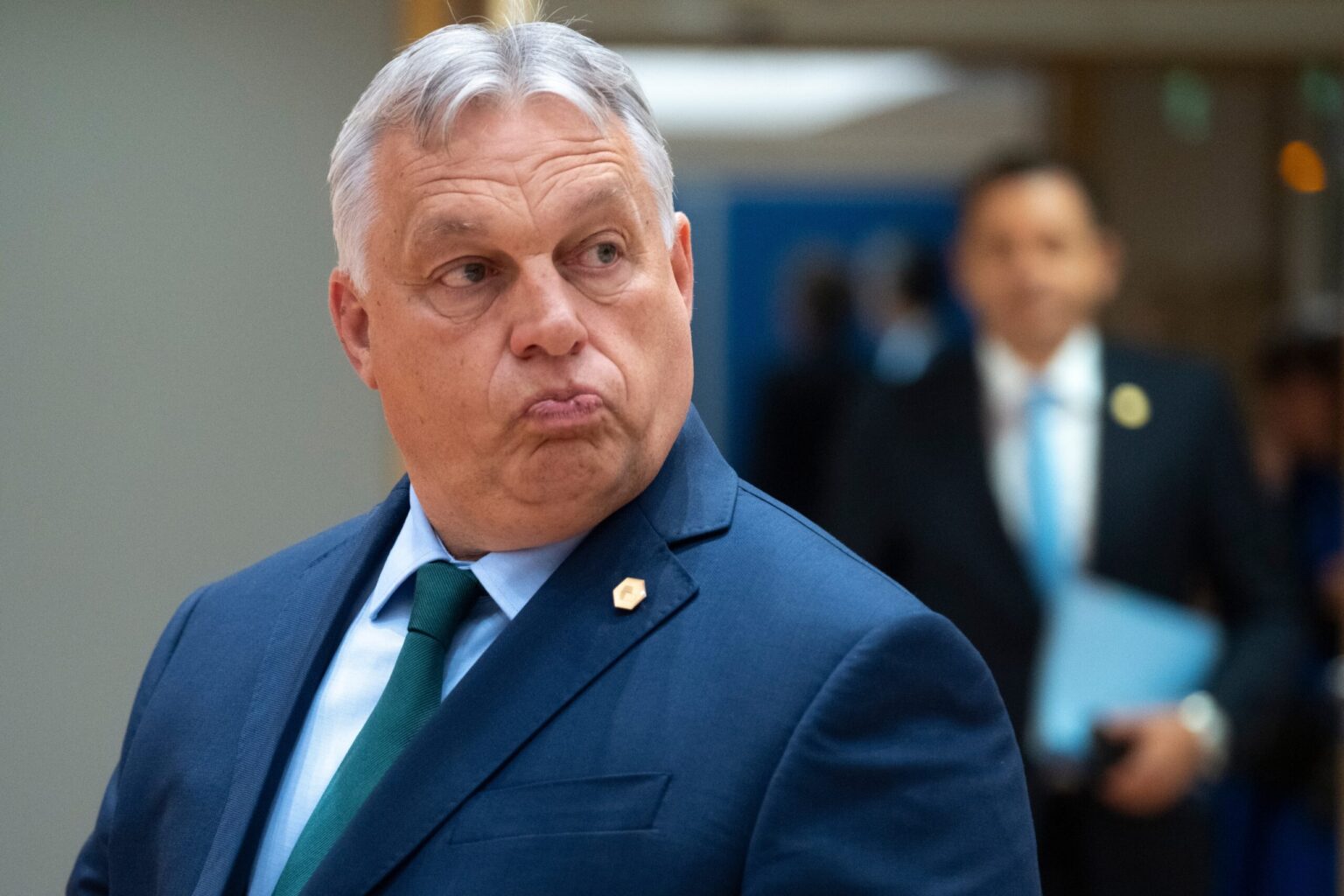
Viktor,Orban,,Hungary's,Prime,Minister,Attends,A,European,Union,Leaders

Hungarian Prime Minister Viktor Orban announced plans to finalise a U.S. business deal within six months to counter tariffs on steel, aluminium, and cars threatening Hungary's car-reliant economy. Amid trade tensions, Orban seeks stronger U.S. ties, bolstering his nationalist credentials ahead of 2026 elections, while navigating EU relations and economic vulnerabilities.

Hungarian Prime Minister Viktor Orban revealed his government’s intent to finalise a business deal with the United States within six months, a move poised to mitigate the economic blow of U.S. tariffs on the country’s vital car industry. Hungary, a European Union member state, has been grappling with the potential fallout of a 25 per cent import tariff on steel, aluminium, and cars imposed by U.S. President Donald Trump. Such levies threaten the backbone of Hungary’s export-driven economy, which heavily relies on the automotive sector. Orban characterised ongoing discussions with Washington as a strategic step towards safeguarding the nation’s interests. Hungary's car manufacturing industry, which features major players such as Audi and Mercedes, has been a significant driver of economic growth. Yet, it finds itself in a precarious position as U.S. tariffs loom. These new trade restrictions come at a time when the country is already grappling with slower-than-expected economic recovery following the pandemic-era downturn. The tariffs further compound challenges for local producers navigating global supply chain disruptions and inflationary pressures. The Prime Minister’s announcement coincides with heightened global trade tensions escalated by U.S. protectionist policies under the Trump administration. The move to impose 25 per cent tariffs across a range of imports has strained relations between the U.S. and the European Union. This policy shift is purportedly aimed at addressing trade imbalances, yet it has been widely criticised for its potential to destabilise closely intertwined economies within the Western sphere. For Hungary, a small nation deeply embedded in the EU’s integrated supply chains, the impact of these tariffs could be disproportionately severe. Tensions have also highlighted the limits of EU-level negotiations in protecting member states like Hungary, forcing individual countries to seek separate pathways. Orban’s political calculus is evident as he approaches pivotal 2026 elections. Known for his nationalist rhetoric and strongman image, the Prime Minister has consistently framed himself as a defender of Hungarian sovereignty and economic interests. By pursuing direct negotiations with the U.S., Orban aims to solidify his domestic standing as a decisive leader capable of securing Hungary’s economic future amidst turbulent geopolitical circumstances. Analysts suggest that while the deal could improve public perceptions of his government’s competence, failure to close negotiations or a prolonged economic slump may provide ammunition for opposition figures. Beyond its economic implications, this anticipated deal carries broader political ramifications. Hungary is charting a delicate course as a member of the EU while simultaneously cultivating closer ties with the American right wing. Orban’s remarks highlight his expectation of Republican dominance in U.S. politics, describing a potential 12 years of “patriot Republican thinking” as an era of alignment in ideals and priorities. This alignment could influence not only trade but also Hungary’s role within the EU, as Orban’s administration has often clashed with Brussels on key issues, from democratic standards to migration. Critics have noted the lack of detail provided so far regarding the prospective economic deal. While Orban emphasised that negotiations aim to “offset” the negative effects of tariffs, specifics on how this would be achieved remain unclear. Furthermore, questions persist about which industries beyond automotive may be included in the potential agreement and whether Hungary will be forced to make policy concessions in other areas, such as agricultural exports or data privacy standards, to secure favourable terms. The opacity surrounding these discussions has led to scepticism among opposition parties and economic experts. Hungary’s struggle to diversify its economic base further complicates these developments. The automotive sector accounts for roughly 30 per cent of the nation’s industrial output, leaving the economy vulnerable to shifts in global trade dynamics. Efforts to expand high-tech manufacturing and improve infrastructure have made progress, but analysts argue that success hinges on maintaining favourable trade relations with major partners like the U.S. Ensuring the longevity of these ties, however, will require delicate diplomacy, particularly as Hungary faces mounting criticism over its democratic backsliding and controversial judiciary reforms. While Orban’s government remains optimistic about the potential agreement, the road ahead is fraught with challenges. U.S.-EU relations have deteriorated significantly in recent years, with both sides levying accusations of unfair trade practices. Hungary’s position as a smaller player in this broader dispute places it at risk of being sidelined in any overarching resolution at the EU level. Hence, Orban’s strategy to pursue bilateral talks reflects Hungary’s pragmatic...

Subscribe to The Mace

Join the member community shaping British politics and stay ahead of what's really happening in the world of politics and public affairs, with expert analysis, breaking news, and insider insights from Westminster and Brussels. The Mace is the leading news source and resource for the government affairs industry, offering required reading and lobby intelligence for professionals.

To see what you are missing out on by not subscribing to The Mace, click here to download our full membership info-pack. This includes having no paywall on op-ed content or profiles/interviews, allowing professional profiles to be read with maximum impact and visibility by government, special advisers, MPs, peers, civil servants, and policy and political decision-makers.

Kemi’s true blue purge, with help from Sir Philip May

William Cash | July 26, 2026

The news that former Home Secretary Sir Grant Shapps has failed to make the new Tory candidate list has put fear into dozens of former Conservative MPs. Whether

UK ‘global investor’ visa proposed by lobby group to bring back UK’s non-doms

Lucy Carrier-Pilkington | April 23, 2026

New 'global investor visa' proposed by lobby group as UK struggles to attract the super-rich

London Elections latest polling: Green gains and Labour out

Lucy Carrier-Pilkington | April 22, 2026

Latest polling from YouGov suggests major gains for Greens and Reform UK in the capital.

Greens win Gorton and Denton

Oliver Dean | February 27, 2026

The Green's victory reflects a changing mindset in British politics
Green Party leader gets new communications advisor

Oliver Dean | February 17, 2026

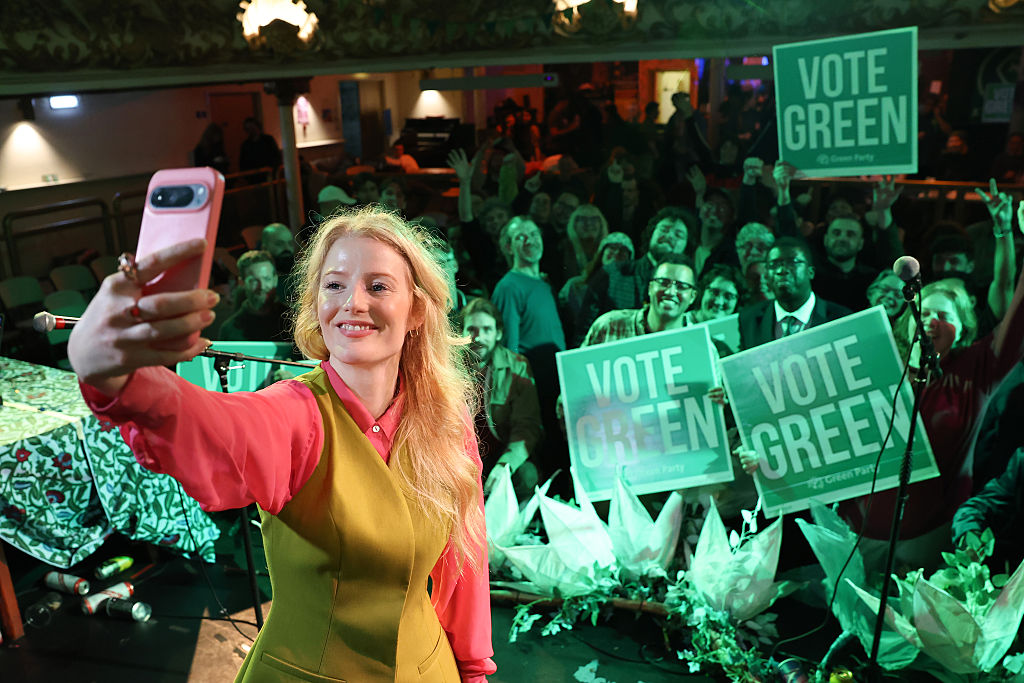
Polanski's new communications advisor shows that the Green Party leader is serious about his public image.

Trade body describes the Government’s new electric HGV plan as a ‘monumental challenge’

Oliver Dean | February 17, 2026

With only 1 in 70 new HGV's being electric, the government must assist with infrastructure investment says industry leader

Blakeney bolsters its team with new additions

Madeline Dabbah | February 13, 2026

Blakeney has welcomed former drinks company Oatly managing director Tim Knight and pro-Brexit MEP Lucy Harris, in an effort to strengthen their position, the public affairs and strategic

Hanbury goes global

Oliver Dean | February 13, 2026

Hanbury's decision to erect offices in Washington and Sydney showcases the firms' strong public image.

Mandelson’s lobbying firm in disarray as CEO departs

Oliver Dean | February 6, 2026

Benjamin Wegg-Prosser, who co-founded the lobbying firm Global Counsel alongside Peter Mandelson has today resigned following significant backlash regarding the firm’s link to Jeffrey Epstein.

Russell Group turns to public policy veteran for next phase of university lobbying

Thomas Edwards | January 21, 2026

The Russell Group has picked Professor Libby Hackett, an Australia based public policy specialist, as its next chief executive, handing the UK’s most influential research university lobby to