UK–EU strike landmark post-Brexit deal covering trade, defence and mobility

Mace | 20th May 2025 | Brussels, Policy & Think Tanks
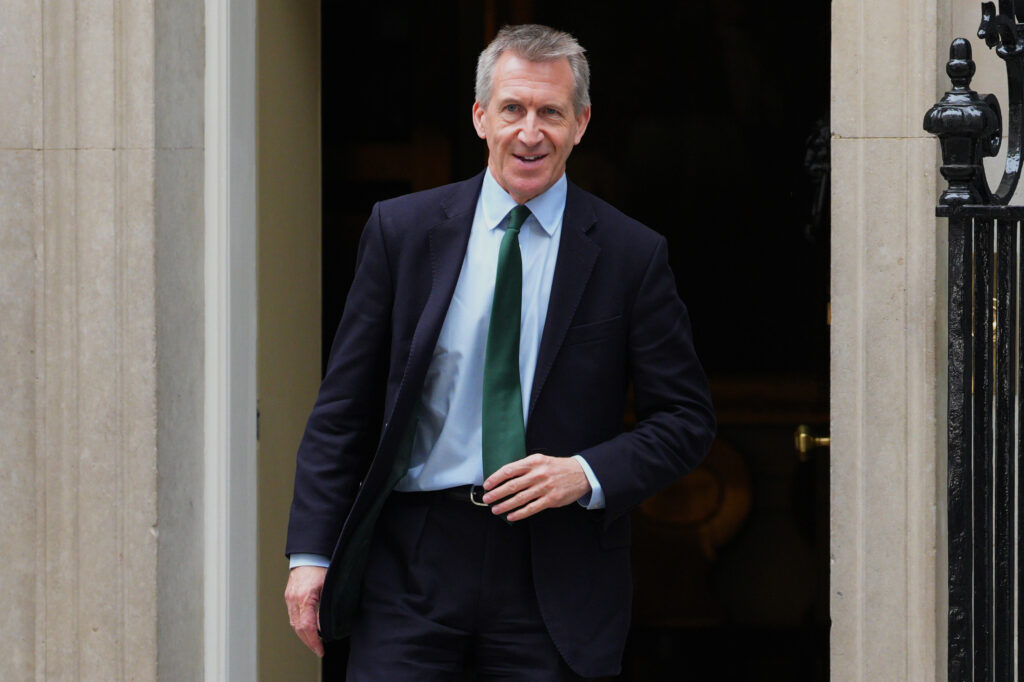
European,Commission,President,Ursula,Von,Der,Leyen,Receives,The,Prime

Britain and the European Union have agreed a major new post-Brexit settlement, extending fishing rights, easing trade barriers, and opening defence and youth mobility cooperation. The deal marks a strategic reset in UK–EU relations and includes measures on carbon, energy, and migration. Political reactions at home remain sharply divided.

The United Kingdom and the European Union have agreed to a significant reset of their post-Brexit relationship, encompassing trade, defence, energy, and fishing rights. The agreement, finalised on Sunday and announced at a summit in London on Monday, extends EU fishing access to UK waters until 2038 in exchange for reduced trade frictions and expanded cooperation in several sectors. Under the new terms, European fishing vessels will retain access to British waters for an additional 12 years, extending the previous arrangement set to expire in 2026. In return, the UK anticipates eased trade barriers, particularly for food and drink exports, with some routine checks on animal and plant products to be removed entirely. The government estimates that the trade and energy agreements could add nearly £9 billion to the UK economy by 2040. The deal also includes provisions for the UK to participate in the EU's proposed £150 billion defence fund, allowing British arms firms to bid for contracts. Additionally, British steel exports will be protected from new EU rules and tariffs, and the UK will avoid an EU carbon tax set to be implemented next year through plans to link emissions-trading schemes. Further cooperation is planned on a youth mobility scheme, mirroring existing UK agreements with countries like Australia and New Zealand. The UK has also committed to working towards rejoining the Erasmus programme, facilitating student exchanges and training across Europe. British travellers will benefit from increased access to passport e-gates at European airports. The agreement has elicited mixed reactions from UK political parties. The Conservative Party and Reform UK have criticised the deal, describing it as a concession to the EU. In contrast, the Liberal Democrats have welcomed the agreement as a positive step towards rebuilding ties with Europe. Prime Minister Sir Keir Starmer emphasised the importance of moving beyond past political disputes over Brexit, stating that the deal represents a practical solution aimed at improving the lives of British citizens. European Commission President Ursula von der Leyen hailed the summit as a historic moment, attributing the progress to Sir Keir's leadership. The agreement also addresses energy cooperation, particularly in developing networks in the North Sea, and explores the possibility of the UK joining the EU's internal electricity market. Moreover, there will be increased collaboration on tackling illegal migration, including enhanced intelligence sharing. This reset follows years of strained relations between the UK and the EU post-Brexit. Polling by YouGov indicates that a majority of Britons now regret the Brexit vote and favour closer ties with the EU. However, the Labour government's efforts to strengthen EU relations come at a time when Reform UK party is leading in the polls....

Subscribe to The Mace

Join the member community shaping British politics and stay ahead of what's really happening in the world of politics and public affairs, with expert analysis, breaking news, and insider insights from Westminster and Brussels. The Mace is the leading news source and resource for the government affairs industry, offering required reading and lobby intelligence for professionals.

To see what you are missing out on by not subscribing to The Mace, click here to download our full membership info-pack. This includes having no paywall on op-ed content or profiles/interviews, allowing professional profiles to be read with maximum impact and visibility by government, special advisers, MPs, peers, civil servants, and policy and political decision-makers.

Memo to the new Defence Secretary before the NATO summit: “It’s not all about the money”

Mace | June 12, 2026

Creating a Defence Industrial base with no new money is going to be a challenge for any Defence Secretary. But, argues defence expert William Wallace, there are several

Do outsiders in government really work?

Mace | June 4, 2026

As politicians call for more external appointments in Whitehall, Professor Nada Kakabadse argues that the real challenge lies not in recruitment, but governance.

Brussels Diary by Konstantinos Bogdanos: ‘The local bistros are half-empty as the Belgian middle class finds even a weekend meal an unaffordable luxury”

Konstantinos Bogdanos | May 26, 2026

Konstantinos Bogdanos, our regular Brussels Diarist, on how the bills for Europe’s political class are finally coming due in a city where the Belgian middle-class can't afford to

Time’s up on late payments: How large companies are harming UK’s smaller businesses

Mace | May 24, 2026

Graeme Donnelly, CEO and founder of 1st Formations, explains why the King’s Speech’s proposed crackdown on late payments will help the SME economy.

Holiday tax will ruin the English Summer

Mace | May 23, 2026

Despite the new 5% VAT tax break for holiday attractions, tourism trade body leaders are speaking out about how government policies may not help the sector.

Are Labour eyeing a return to the EU? Mace investigates the key players involved 

Lucy Carrier-Pilkington | May 19, 2026

Recent comments by the former health secretary have plunged Brexit back into national conversation, but what does Labour actually think?

Reflections on starting up a new centre-right think tank by Jonathan Brown

Jonathan Brown | May 19, 2026

Jonathan Brown, CEO of Centre for a Better Britain, explains why Westminster needed a new think tank for a new political era

Scrapping carbon pricing would be a costly hit to British exporters and consumers

Mace | May 7, 2026

A new report reveals that axing carbon pricing would be a self destructive step for the UK economy.

EU likely to shelve chemical reform amid industry pressure 

Lucy Carrier-Pilkington | May 6, 2026

The reform concerns a pre-existing law on the Regulation, Authorisation and Restriction of Chemicals (REACH) and has been in place since June 2007.  

The Silent Engine: Why we must stop kicking the Civil Service and learn to love our Civil Servants

Neil Woollard | April 28, 2026

As the Charity for Civil Servants marks its 140th anniversary, Neil Woollard argues that the officials who keep Britain functioning are too often caricatured, underpaid and overlooked —