Brussels Diary by Konstantinos Bogdanos: ‘The local bistros are half-empty as the Belgian middle class finds even a weekend meal an unaffordable luxury”
Konstantinos Bogdanos, our regular Brussels Diarist, on how the bills for Europe’s political class are finally coming due in a city where the Belgian middle-class can't afford to eat out any more.
Late May 2026, and the heavy, humid spring offers no real renewal to a city suffocating under its own bureaucracy. The shadow of the devastating war against Iran now hangs over everything, plunging the European Quarter into a profound sense of global instability. This widening conflict has triggered a massive new energy shock, shattering any remaining hopes of an economic recovery. With inflation spiking, the Commission’s newly released Spring Economic Forecast has sent a shockwave through the capital, slashing growth projections to near zero.
The glass walls of the Berlaymont still gleam in the rare afternoon sun, but inside, the bills for Europe’s grand illusions are finally coming due. Down at Place Flagey, the local bistros are half-empty, as much of the Belgian middle class finds even a simple weekend meal an unaffordable luxury. Even the local pittas along the Rue de la Loge are becoming too expensive for students, as the cost of basic ingredients continues to soar.
"We are trapped in a war of attrition we have no capacity to win"
The mood in the smoky bars around Rond-Point Schuman is downright grim amongst the diplomatic corps. For over four years, Brussels has repeated the same hollow, scripted slogans about standing with Ukraine, but the reality on the ground can no longer be ignored. Leaked cables circulating through the European External Action Service on Rue de la Loi reveal deep panic over a crumbling front line in the Donbas. We are trapped in a war of attrition we have no capacity to win, precisely at the moment Washington is openly shifting its focus toward the Middle East.
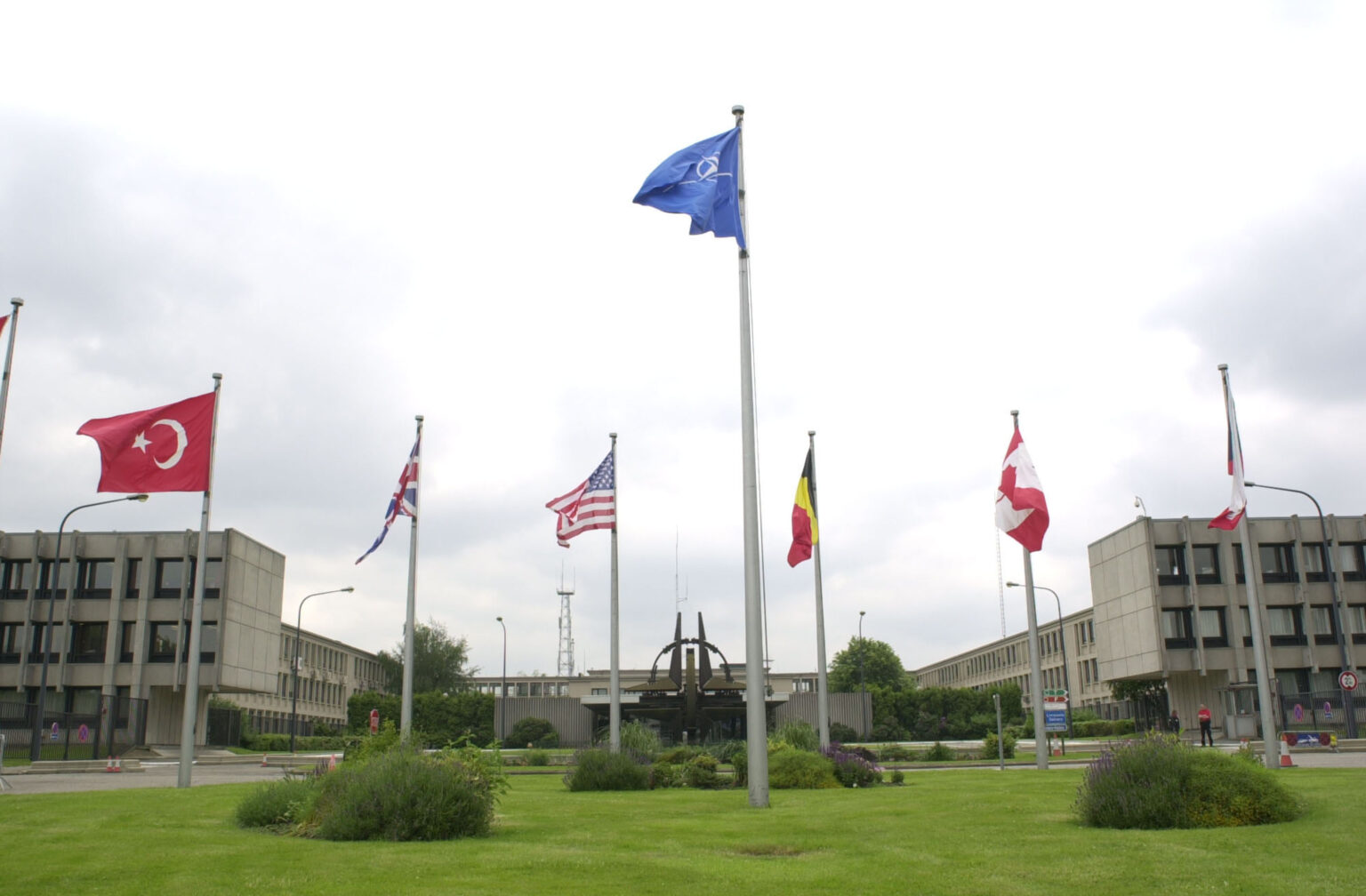
Meanwhile, Defence Commissioner Andrius Kubilius walks the corridors talking about a "European Defence Union" by 2030, but his grand speeches are treated as a joke by realist observers. Just across the street in the Justus Lipsius building, national diplomats are quietly killing off any attempts at unified procurement, preferring to shield domestic defence companies rather than build a genuine European force. On the rain-slicked platforms of the Brussels-Luxembourg station below, weary officials catch trains back to their national capitals, whispering about a dangerous post-NATO world.
The total failure of European leadership is most obvious on our borders, where the crisis has reached a breaking point. Despite the endless "solidarity pacts" discussed ad nauseam at the European Parliament on Rue Wiertz, illegal migration continues to surge across the Mediterranean. Brussels technocrats treat this civilisational crisis as a mere administrative math problem. They remain completely blind to the reality outside their windows, where the changing demographics of neighbourhoods like Saint-Josse and the Matongé underscore a systematic erosion of Europe's traditional heritage.
Europe’s blind spot extends just as catastrophically to global rivals like China, whom Brussels still sheepishly describes as a "partner". In reality, Beijing acts as a ruthless geopolitical predator, buying up critical European infrastructure while the EU ties our own companies up in regulatory red tape. Even the Commission's frantic diplomatic offensive to pour millions into Greenland -quietly coordinated in the unassuming offices along Rue d'Arlon- is a desperate, belated attempt to stop Washington and Beijing from cutting us out of the Arctic entirely.
"We are sacrificing our economic survival on the altar of eco-theology, reducing global emissions by zero per cent while forcing our own citizens into poverty."
This structural weakness is ultimately rooted in a deeper moral hypocrisy. Brussels loves to lecture the world about human rights from its high-minded podiums, yet it stays virtually silent on the brutal, ongoing persecution of Christian minorities across the globe. Decades of progressive indoctrination have left our leaders entirely unable to defend traditional Western values. They step out of their secure offices onto the gritty concrete of the metro at Arts-Loi, entirely detached from reality, having traded our historical identity for the sterile comfort of a hollow bureaucracy.
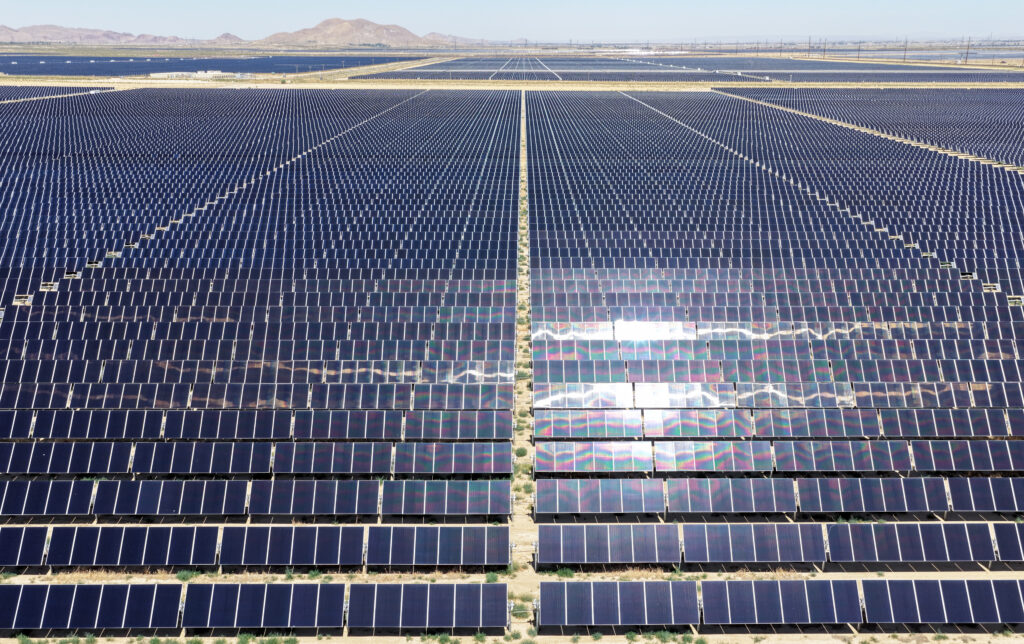
Worse still, the Commission continues to worship its failing green dogma even as the continent deindustrialises. The 2030 climate targets are a complete fantasy, yet Eurocrats refuse to abandon the punitive carbon taxes that are actively killing European industry. Energy costs remain artificially high, forcing our factories to permanently shut down or relocate to America. As the diesel buses rattle past the canal near Molenbeek, the irony is stark: We are sacrificing our economic survival on the altar of eco-theology, reducing global emissions by zero per cent while forcing our own citizens into poverty.
To protect this fragile consensus, freedom of speech has become the latest casualty in the defense of the Brussels bubble. Under the guise of fighting disinformation, the EU’s digital controllers are building a massive censorship apparatus to target anyone who quest...
Subscribe to The Mace
Join the member community shaping British politics and stay ahead of
what's really happening in the world of politics and public affairs,
with expert analysis, breaking news, and insider insights from
Westminster and Brussels. The Mace is the leading news source and
resource for the government affairs industry, offering required
reading and lobby intelligence for professionals.
To see what you are missing out on by not subscribing to The Mace, click here to download our full membership info-pack. This includes
having no paywall on op-ed content or profiles/interviews, allowing
professional profiles to be read with maximum impact and visibility by
government, special advisers, MPs, peers, civil servants, and policy
and political decision-makers.
The Civil Service is ready to support Dame Antonia Romeo's flagship changes to government machinery - notably relating to AI and devolution - under new prime minister Andy
Andy Burnham is shaking up government with more changes than by any incoming prime minister in memory. But, asks Sir Bernard Jenkin MP, does he understand why the
UK aviation can decarbonise while meeting growth ambitions, but urgent government action is needed to prevent costs increasing for passengers and the sector losing its competitive edge.
The news that former Home Secretary Sir Grant Shapps has failed to make the new Tory candidate list has put fear into dozens of former Conservative MPs. Whether
Cameron Brown, a former special advisor to the Chancellor of the Exchequer, explains why Burnham's VAT cut on energy bills is a measure people will actually notice.
The strangely guilty way that the media, and some politicians have reacted to Widdecombe’s shocking death shows the double standards that can operate when a politician of the
James Purnell’s return to frontline politics is more than a nostalgic Blair-Brown era reunion. As Andy Burnham builds his Downing Street operation, public affairs professionals will need to