Forty years after Big Bang, the City cannot write its own rules for growth
Greater deregulation for the financial sector in the City is not the way forward, writes Mick McAteer.


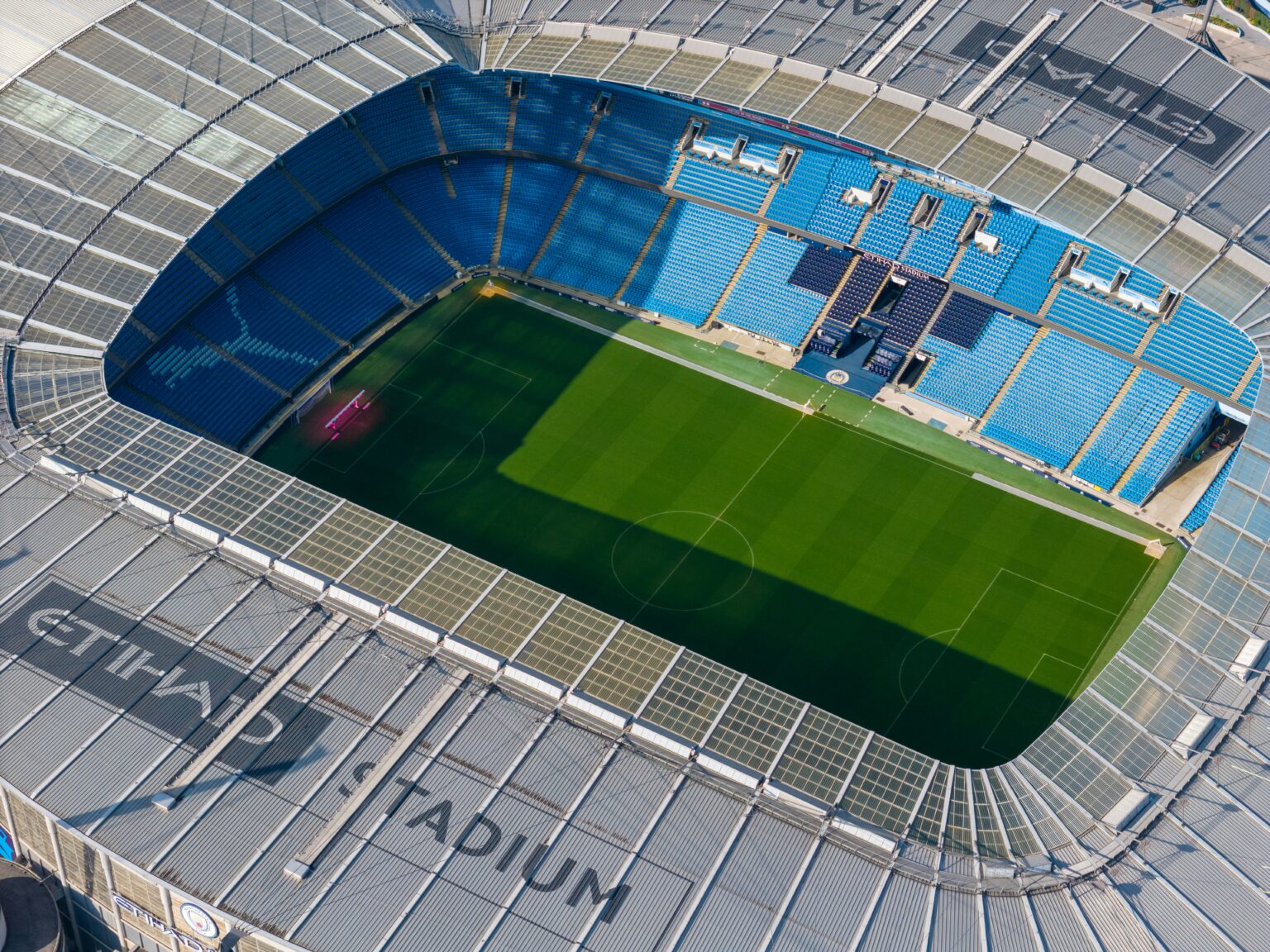
Manchester’s metamorphosis into the UK’s second capital has been a testament to the potential of northern cities, so we must approach the Man City scandal with a nuanced lens.
Manchester City’s rise to the summit of English football has become one of the most striking examples of international investment in a British city. Yet the club’s transformation has also attracted intense scrutiny. Manchester City FC has found itself in the middle of a media firestorm amid allegations of financial misconduct.
The key allegations entail misrepresenting sponsorship revenue, inaccurate reporting of manager and player payments, breaching financial spending rules, and failing to cooperate with the investigation. In September 2026, an independent commission found Manchester City guilty of all charges relating to serious financial breaches and most of the charges concerning non-cooperation. The club appealed the commission’s decision on 1 October 2026. The appeal is ongoing, and sanctions have not yet been determined. Potential consequences could include a points deduction, a heavy fine, expulsion from the Premier League and the stripping of its titles.
However, this scandal also invites fresh debate about international investment and the impact it has. At the time of the commission’s adverse findings against Manchester City, Greater Manchester Mayor Andy Burnham said: “They’ve been such a huge partner in the building of modern Manchester.” The scandal being what it may, the impact of investment from the UAE has been a force for good for the area and the economy. While it was not the sole cause of Manchester becoming the second capital, it certainly was a hugely important contributing factor and a key element of the ‘Manchesterism’ strategy under Burnham that made the city and his political career the success stories they have been. So, while it might be a reflex to instantly condemn the club and its management, it’s an unfair conclusion before properly analysing the impact of Sheikh Mansour’s investment on the development of the city and the real lives it has improved for the better.
For instance, investment around the Etihad Campus has regenerated East Manchester. It has turned the former industrial area into a major sports and entertainment destination, building on earlier regeneration efforts following the 2002 Commonwealth Games. Furthermore, the investment has provided superior sports and community facilities, including the City Football Academy, community football pitches, East Manchester Leisure Centre and the Manchester Institute of Health & Performance. These facilities are not just for professional athletes but also for local residents.
These new facilities have created a wealth of employment in the area. Stadium operations, construction and hospitality around major events have stimulated demand for employment and for local suppliers. Furthermore, future investment plans propose further stadium development to create additional jobs and commercial opportunities for the city.
“Football in Manchester, through both the United and City teams, is part of what has made Manchester an enormously important tourist and entertainment hotspot”
Football in Manchester, through both the United and City teams, is part of what has made Manchester an enormously important tourist and entertainment hotspot, attracting visitors, workers and students from around the world. The international profile and investor confidence in the city have rocketed, and Manchester City’s sporting success has given the city yet another globally recognisable brand. Tim Heatley, a Manchester-based property developer, said that Man City had “put Manchester on the map internationally”.
Manchester City is not the only example of how transformational international investment can be for a club or, indeed, for a city. Take, for example, the impact of Qatar Sports Investments on Paris Saint-Germain. Since its investment in 2011, PSG has attracted internationally renowned players, improving its competitiveness and commercial reach. Furthermore, a 2024 study by the Centre for Law and Economics of Sport, commissioned by PSG, found that the club generated €243 million in added economic value in the Greater Paris region during the 2023/24 season. It further estimated that PSG supported more than 2,370 local jobs, both directly and indirectly.
Similarly, international investment in Newcastle United has been a strong boost to the city’s economy. The takeover by an investment group led by Saudi Arabia’s Public Investment Fund brought a new era of investment in the squad, academy, women’s team and club operations. Newcastle won the League Cup in 2025, ending a 70-year wait for a major domestic trophy, and qualified for the Champions League during the post-takeover period. The growth created a stronger commercial operation involving sponsorships, retail, matchdays and hospitality, creating opportunities for employment in the city. It furthermore raised the profile of the city internationally, attracting visiting supporters and increasing city-wide activity around matches.
Ultimately, before dismissing Manchester City’s wider impact because of the financial controversy, we should ask what investment has delivered and how those benefits compare with the concerns raised. The commission’s findings are serious, and financial integrity and fair competition cannot be brushed aside; City’s appeal must be allowed to run its course. But scrutiny of the club’s conduct need not mean overlooking the contribution that investment around the Etihad Campus has made to East Manchester’s regeneration, sporting and community facilities, employment opportunities and international profile. Football has not transformed Manchester single-handedly: public investment, local businesses, universities and residents have all helped shape the city’s progress. Yet Manchester City has been part of that story, and its wider impact deserves consideration alongside the controversy.
“This debate has wider significance at a time when UK policy is placing greater emphasis on devolution, regional growth and the potential of northern cities and towns”
This debate has wider significance at a time when UK policy is placing greater emphasis on devolution, regional growth and the potential of northern cities and towns. Manchester’s experience suggests that international capital can help unlock development when it is tied to long-term local priorities. The challenge is to ensure that investment is transparent, accountable and benefits communities, not just clubs or investors. Ultimately, success should be measured not only in trophies or commercial growth, but in the opportunities, facilities and lasting improvements it creates for the people who live in the city.
Greater deregulation for the financial sector in the City is not the way forward, writes Mick McAteer.
This summer exposed the chain of vulnerabilities faced by the agricultural industry, Ella Beadman writes.

The government's new 5% tourism tax and overnight levy is the last thing the UK's hospitality sector needs, says William Cash

The new government protocol raises concerns about whether young people are getting the necessary exposure they need in their early careers

What happens when the technology that could one day threaten humanity begins to destroy the institution responsible for warning us about it?

As speculation mounts over further tax rises, Britain’s ultra-rich investors and job creators are choosing to take their wealth elsewhere.

In an exclusive op-ed for Mace, hospitality industry leader Robert Richardson sets out why the sector must do more to become accessible to young families.

End Fuel Poverty Coalition coordinator Simon Francis examines the four stories politicians hear about electricity and gas, and argues that the fight over which story shapes the agenda
Seasoned Farage aide-de-camp Gawain Towler reflects on Reform's first ever Business Day at the NEC - and what it's like when a media grenade goes off during the
Britain’s farmers have battled repeated heatwaves and droughts, but MP John Cooper says the government’s Family Farm Tax is piling further pressure on an industry that desperately needs