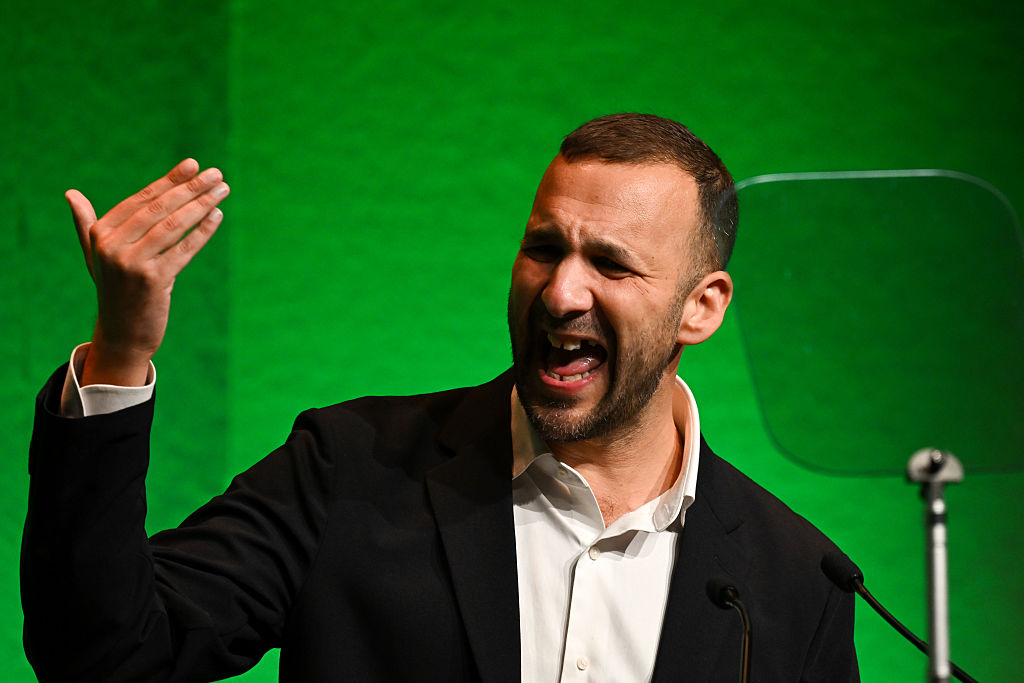
By-election day: Is it now or never for Zack Polanski?
The day of the Holborn and St Pancras by-election has arrived; Mace investigates where public opinion is and what this means for the future of the Green Party

The government's new 5% tourism tax and overnight levy is the last thing the UK's hospitality sector needs, says William Cash
In a move that will be welcomed by the UK’s tourism industry, already on its knees, Robert Jenrick, Reform’s shadow chancellor, has said Reform will prevent Labour mayors from imposing the deeply unpopular holiday tax – Jenrick used the word “cruel” – on British families and business travellers.
Absurdly, the new overnight levy will even be imposed on caravan owners who sleep in their own vehicles. Jenrick has accused Andy Burnham of being “completely out of touch” with the reality of small businesses, as well as endangering the Great British Staycation, already reeling from hikes in taxes.
He said: “The Holiday Tax will be a disaster for working people. Families are already struggling with rising taxes and prices – this is the last thing they need. Unable to cut spending in Westminster, Burnham is asking mayors to do his dirty work by increasing taxes themselves in a move that will cost thousands of jobs in the hospitality trade”.
“Andy Burnham is betraying the working people he claims to represent. Reform will always put the British people first and fight this cruel tax every step of the way.
“We are the only party who have vowed to reverse Rachel Reeves’s jobs tax for British workers, reform business rates and scrap over-bearing regulation that has killed jobs.”
The overnight visitors levy started to be imposed in Edinburgh, perfectly timed for the Edinburgh Festival this July and is soon to be imposed in Cardiff. Welsh councils have already ruined local tourism and closed down many B & B owners by imposing stratospheric taxes on second home owners that have crippled local tourism economies.
“Tourist trade bodies have now turned up the volume of their joint industry anger towards the new tax, a measure which puts the knife into the Great British Staycation”
Jenrick’s measures to try and save the British tourism industry will be welcomed by hard working pub, hotel, B & B and hospitality owners – such a myself – across the country. Hardly had Burnham been in power, it was announced by Angela Rayner that Mayors in England would be given the power to introduce an overnight visitor levy on tourists.
This is the very last thing the UK’s already beleaguered tourist industry needs proving once again that hospitality is an ultra-low priority for successive governments of all colours. Local leaders will be allowed to bring an uncapped levy – “tourist tax” – as a percentage of the cost of hotels, bed and breakfasts and other types of accommodation rather than a flat fee. Hospitality leaders have already raised the alarm that “jobs are now at risk” because of the proposals.
I flagged all this up and wrote a cautionary piece about the dangers of this tourist tax earlier this year for The Spectator during “English Tourism Week” – an ‘awareness week’ which kicked off in March with a jaunty reception in Downing Street for tourism leaders, with junior minister Stephanie Peacock talking up the industry with the usual ministerial jargon about jobs and growth. “Tourism is not a peripheral issue. It is a powerful driver of growth across every nation and region of the UK” she assured industry leaders.
“Andy Burnham is betraying the working people he claims to represent. Reform will always put the British people first and fight this cruel tax every step of the way” says Jenrick
The trouble with the sheer number of these ‘awareness’ weeks/months – which includes Plastic Free July, Veganuary and National Obesity Awareness Week – is that lobby groups have cottoned on that such often woke PR stunts are also a good opportunity to marshal campaign opposition, and be given a media platform. Tourist trade bodies have now turned up the volume of their joint industry anger towards the new tax, a measure which puts the knife into the Great British Staycation.
The reality is that UK’s tourism sector – supporting over 2 million jobs and £127 billion to the economy – is becoming a poster example of a sector whose government policies are increasingly anti-growth. A catalyst for industry ire has been the introduction of the Edinburgh Visitor Levy, from July, with the rest of the UK now set to be subjected to the unpopular ‘Tourism Tax’ which was included in the King’s Speech in May.
Labour controlled mayoral cities as Greater Manchester, Liverpool and London can now add a 5% ‘overnight visitor levy’ on stays in the UK, for business travellers as well as domestic travel to see family. The tax will hit all hotels, pubs with accommodation, B&Bs, holiday lets and Airbnb locations in the devolved areas.
Reform mayors have previously said they would not implement what is being called a “holiday tax.” Tory Mayors in the West Midlands, West of England and Cambridgeshire and Peterborough previously signed the Mayors’ Pledge letter calling for tourism taxes. Labour Mayors in London, Liverpool, York and North Yorkshire, West Yorkshire, South Yorkshire, East Midlands, and the West of England are currently considering imposing it.
Industry beating
But for the Labour government to celebrate “Tourism Week” whilst at the same time administering a punishment beating that hits accommodation in major cities, as well as self-catering Airbnb owners, is both depressing evidence of how little the government cares about the tourism sector as well as being counter-productive. The new holiday tax will hit business travellers as well as domestic travel to see family. The tax will affect all hotels, pubs with accommodation, B&Bs, holiday lets and Airbnb locations in the devolved areas.
This punitive holiday tax at a time when the industry is already on its knees thanks to NI hikes, crippling business rates, a higher minimum wage, rocketing fuel and energy costs. The idea is to fund and improve local infrastructure – such as cleaner streets and more buses – but it’s unclear how the money will be ring fenced for tourism purposes.
Those in the tourism trade regard it as a stealth tax with tourism used as a political football to appease Labour big city mayors who are desperate for funding and to make it look like the idea of ‘devolved powers’ is working.
Pain relief
Tourism trade associations are still hoping to dilute the pain, calling for a hospitality VAT rate cut to 10%. Ben Spier, director of public affairs at the Association of Self-Caterers and head of regulation and policy at Forge Holidays told The Mace: ‘Tourism provides accessible, flexible and meritocratic jobs often in areas with few other economic drivers, perfect for lowering the welfare burden’.
The truth is the tourism tax will make the UK a less competitive destination for tourism and will also hit business travellers, thereby further damaging the economy. Unlike many continental tourist taxes, there will be no obligation for mayors to reinvest these funds in making their destinations more attractive to visitors. Instead, they will be spent on “mayoral vanity projects”, or general cost pressures.
Another part of the problem is that ever since the success of the London Olympic Games tourism has been seen to be doing well enough on its own. But as historian and restauranteur Loyd Grossman warned when he was chair of the Heritage Alliance: “The Government might think we are doing OK despite the disproportionate cuts and a virulent fiscal policy. But laissez faire is not the answer. It takes positive measures by government to improve the operating environment so that the benefits of heritage – social, economic, educational and environmental – are realised by Government, communities and individuals.”
William Cash is an award-winning heritage tourism business owner based in the Midlands.
The day of the Holborn and St Pancras by-election has arrived; Mace investigates where public opinion is and what this means for the future of the Green Party
"Education is why I came into politics, and it is hardly talked about"

Greetings from Birmingham and the Conservative Party Conference, with Editor William Cash.
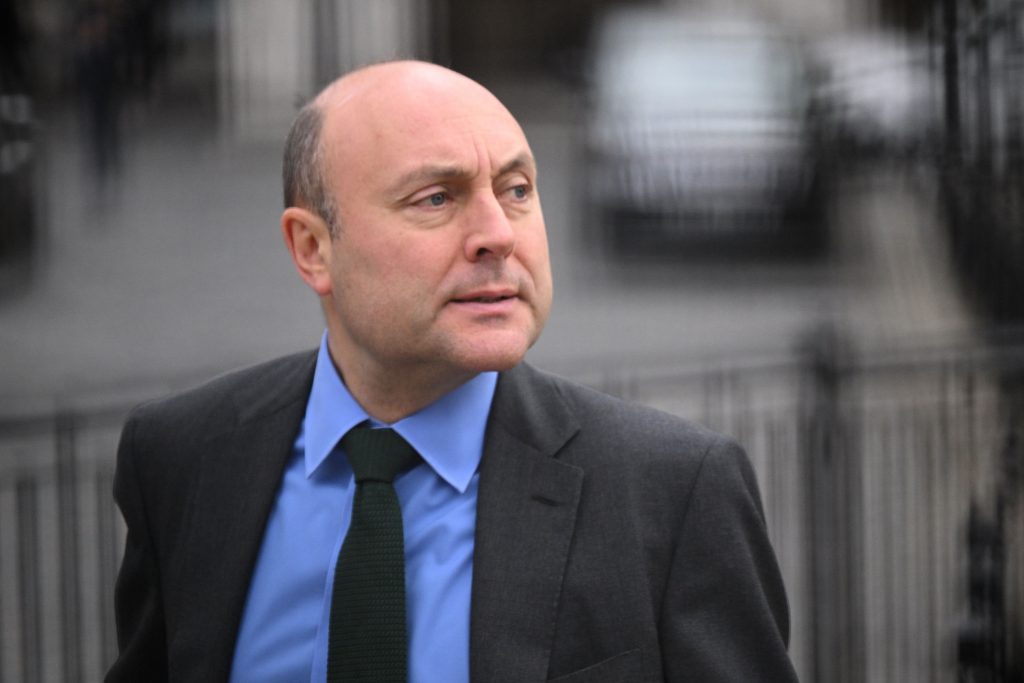
Healey’s affirmative line “There is nothing progressive about losing control” did little to stir ‘hype’ amongst conference attendees nor City bankers, but he is right to say it

Greater deregulation for the financial sector in the City is not the way forward, writes Mick McAteer.

In the latest addition of the Industry Reacts series, Lucy Carrier-Pilkington approaches leaders in hospitality to see their thoughts on the proposed ‘tourist tax’
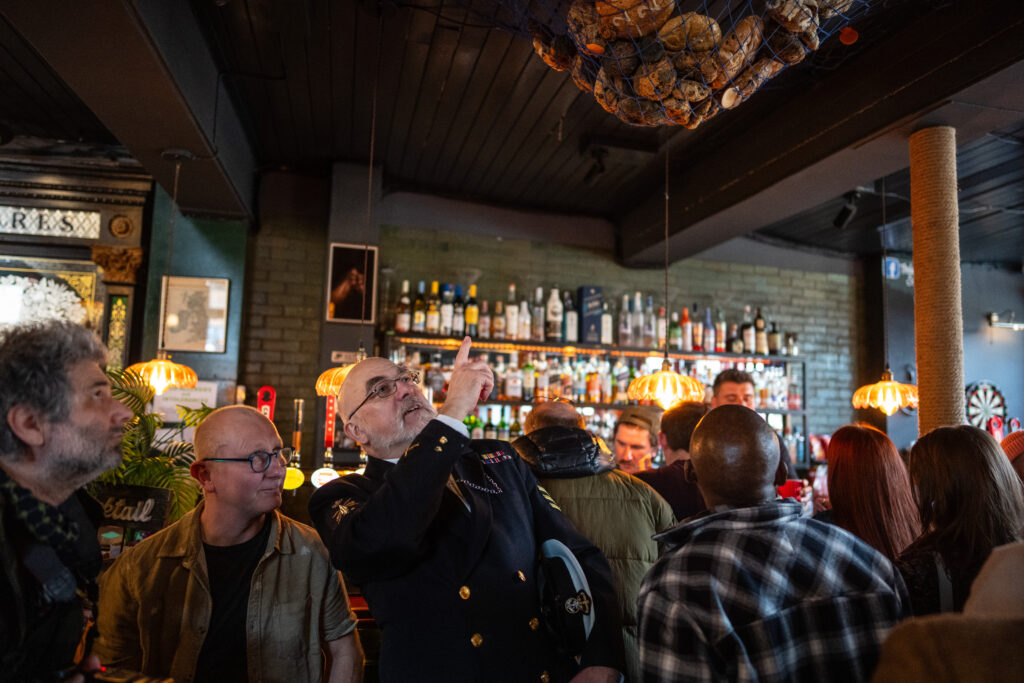
This summer exposed the chain of vulnerabilities faced by the agricultural industry, Ella Beadman writes.
The new government protocol raises concerns about whether young people are getting the necessary exposure they need in their early careers

The question of money buying influence in politics is centuries old and not going away

What happens when the technology that could one day threaten humanity begins to destroy the institution responsible for warning us about it?
