Rewiring Whitehall: Dame Antonia’s burning desire for change
At tonight's LSE lecture, Dame Antonia Romeo, Britain's top civil servant promises a revolution, arguing there is a "burning" need for reform.

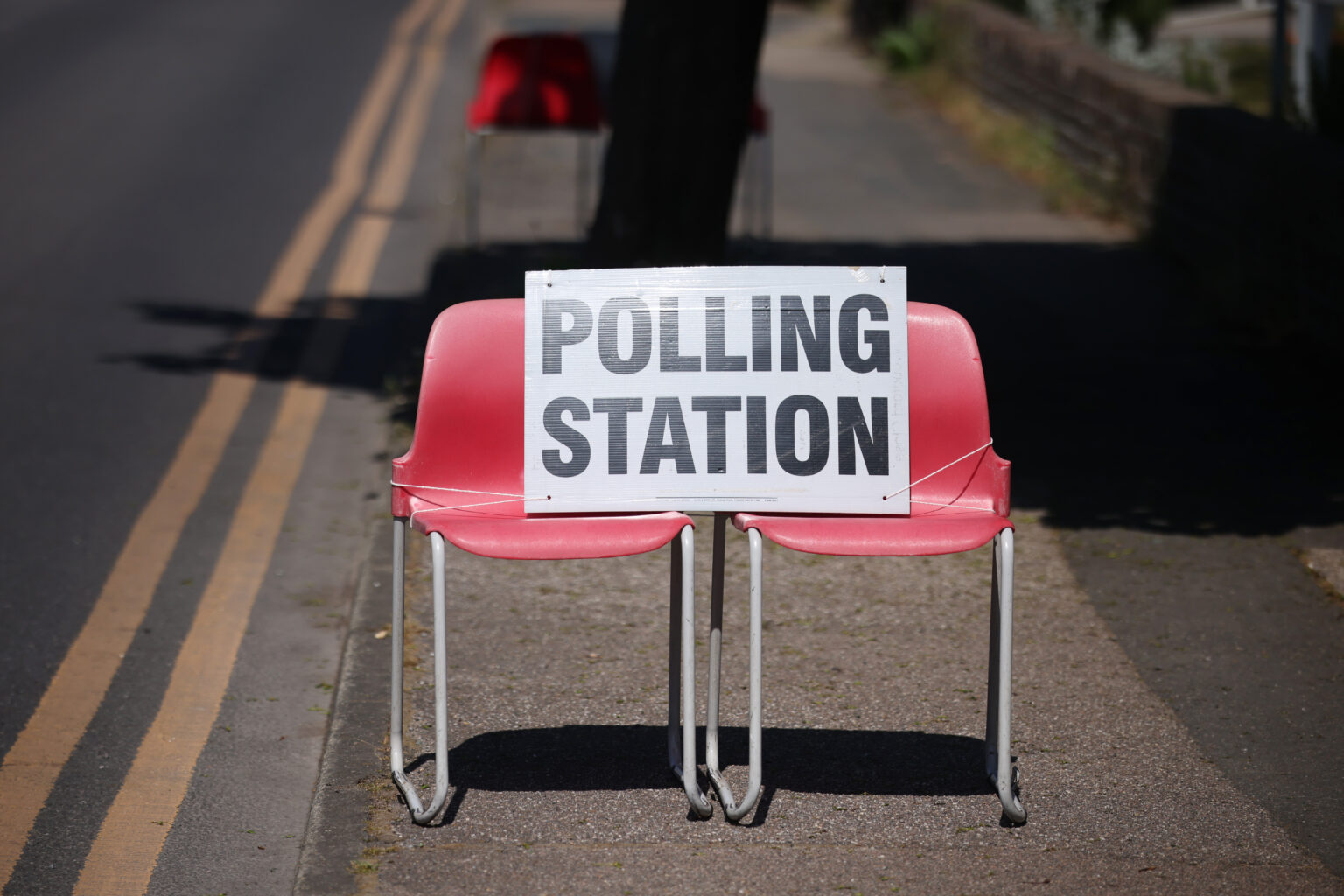
After weeks of anticipation, Healey’s maiden budget looks to designed to re-assure the markets that Labour are fiscally responsible.
Regardless of your political leaning – most can agree that Andy Burnham’s speech at the Labour Party conference in September was Burnham at his best. Tearful, funny, and clear in its goals – Burnham showed that his flutter eye premiership was going to be nothing like the dull days of the Starmer administration. However, since then there have been frequent signals that Healey’s speech was not going to be so sensational.
In short, as Mace editor has been saying for weeks, expect a Budget designed to re-assure the markets that Labour are fiscally responsible. And that is what Healey seems to have delivered.
British businesses and their public affairs teams can breath a small sigh of relief, at least for now.
Indeed, a frequently occurring phrase throughout Healey’s speech was ‘breathing space’. This was even included in the title of the Budget circulated beforehand.
Policies being brought in to facilitate this so-called ‘breathing space’ include scrapping the “unfair and outdated” gas standing charge, which would save 60 per cent of bill payers £45 a year; an extension of the VAT cut to last throughout the winter; a £100 energy payment to be made to households in council tax bands A to D; and the extension of the fuel duty freeze to July. There will also be a new help-to-buy-style scheme to help first-time buyers, and a new First Time Buyer ISA will replace the Lifetime ISA. Furthermore, the planned cut to the £20,000 ISA allowance will not go ahead.
More sweeping policies include a raise in both the minimum wage and national living wage by 3.9 per cent, benefiting 2.3 million of the lowest-paid workers. There will also be business rate cuts for high streets, where the threshold for small business rate relief for retail, hospitality and leisure will rise from £12,000 to £18,000. In addition, the triple lock change first announced by Burnham at the Labour Party conference has been confirmed, so that the state pension rises every year with either earnings or inflation.
Regarding tax hikes, there will be a rise in the gambling tax as well as a crackdown on online sellers that avoid paying VAT. There will also be a temporary tax rise for banks starting in January, which will last for 15 months. Furthermore, from 2028, mayors will be able to introduce an overnight visitor levy, dubbed the ‘tourist tax’.
For funding, there will be £146 million for towns and cities to be put towards local projects. There will also be extra funding for AI, specifically with an extra £500m being put towards AI safety and security.
In short – nothing extraordinary and all fairly predictable after several weeks of heavy leaking to the national press.
The Chancellor did take his time to get on to what is the most important topic attached to his name. Considering he resigned from the Starmer government off the back of a lack of defence spending, a resignation that is thought to be the nail in Starmer’s coffin, ‘when is Healey going to talk about defence?’ was the question on everyone’s lips for the first forty minutes of the budget.
Again, what followed was not revolutionary. There will be a commendable £10 billion-bound initiative of additional economic funding and military support for Ukraine. This will be made up of loans, export finance guarantees, and £500m of urgent funding for this winter. It is good and reassuring to see that Ukraine was one of Healey’s key talking points. However, outside of that, regarding defence, Healey seemed to just kick the ball down the road. He said that the Spending Review next year would set out how the UK will meet its NATO commitment to spend 3.5 per cent of GDP on defence by 2035, with a target of 3 per cent by 2030. Outside of that, his segment on defence was not especially illuminating.
Yet everything happens for a reason. And a calculated reason.
This rather underwhelming Burnham budget is in fact a signal of something far more exciting. Referring to a poll that suggested Labour could win a majority of more than 130 in the current climate, a source close to Kemi Badenoch told The Independent: “Wednesday’s Budget is the end of the phoney war and when things get serious.
“What’s in the Budget will dictate whether we get an early election or not but, if Burnham gets a few more polls like that, then we are looking at December or May next year, maybe autumn next year at the latest.”
A lot of Burnham’s bolder ideas are far more suited to a five-year stint than a two-year rush at the back end of Starmer’s term. The modest changes, which will do little to move the fiscal needle, will give the markets and centrist/conservative voters the impression of fiscal responsibility, thus making them more likely to back Labour in a snap election, especially now a closer relationship with the EU is on the cards. This would then provide Burnham with the mandate to rip up the 2024 Labour manifesto and start his nationwide mission of Manchesterism. At present, Burnham is hemmed in by Labour’s 2024 manifesto pledge not to raise any of the three major taxes. Yet this budget signals that the winds of change are close.
At tonight's LSE lecture, Dame Antonia Romeo, Britain's top civil servant promises a revolution, arguing there is a "burning" need for reform.
Steve Hilton, David Cameron's one-time guru, has lost his bid to become California's first Republican governor in 20 years. So where does a man of so many reinventions

Trump told America to treat the midterms as a vote on him. It did. Now comes the reckoning, writes Mace editor-in-chief William Cash from California.

It sounds like a straightforward fix: fewer young people on benefits, more in work. But is the reality so simple?

A former Downing Street strategist is standing to be elected as the first Republican governor in 20 years. He's campaigning as if the polls are wrong.
Cut business rates, increased minimum wage, and an overnight tourism levy give mixed results to the struggling sector

The government has promised to ease energy bills while investing in Britain's energy future. But can it support North Sea production, expand clean power and meet climate commitments

Ahead of the hotly anticipated Budget on Wednesday, Ella Beadman analyses what it could mean for welfare spending
The government has pledged billions more for Britain's military. But can it finance those promises without squeezing other public services?

With just a week until the first Budget of the Burnham government is released, Mace analyses what the Chancellor’s biggest challenges are and what taxes might be brought
