What Can Britain Expect for Defence Spending in the Autumn Budget?
The government has pledged billions more for Britain's military. But can it finance those promises without squeezing other public services?


With just a week until the first Budget of the Burnham government is released, Mace analyses what the Chancellor’s biggest challenges are and what taxes might be brought in to tackle them
Inflation and government borrowing have soared to their highest levels this year. The UK’s debt exceeded £3trn for the first time, leaving a harsh economic backdrop for chancellor John Healey to work with when he releases his first Budget next week.
Data released by the Office for National Statistics (ONS) on Wednesday showed that inflation rose to 3.5 per cent on an annual basis in September, up from 3.1 per cent in the previous month. Separate figures revealed that the government borrowed £24.5bn in the same month, rising from £17.3bn in August.
The figures come ahead of Healey’s Budget on October 28 in which he is expected to increase taxes amid a sharp erosion of the UK’s fiscal headroom, which is essential for market confidence and economic flexibility, since the start of the war in Iran.
Rain Newton-Smith, CBI Chief Executive, said: “The Autumn Budget is the first opportunity for the Burnham government to turn its economic ambitions into action. Businesses stand ready to invest, innovate and create jobs, but they need the right conditions and confidence to do so.
“With fiscal headroom in short supply, every decision should be judged by whether it strengthens the foundations for long-term growth. Business costs ultimately become household costs, so adding further pressure to businesses already facing significant cost pressures would make that task harder. By tackling some of the biggest barriers facing firms, the government can instead create the conditions for investment, expansion and hiring.”
The possible tax rises to expect include a tax on online retailers. Multi-billion-pound marketplaces such as Amazon, eBay, and Temu are going to be made responsible for collecting tax owed by retailers selling on their platforms. This could raise up to £1bn for the Treasury and will mainly crack down on foreign sellers who abuse lax rules to avoid paying VAT. The chancellor is expecting to announce that the revenue from the change in these tax rules will be used to cut business rates for high street shops in an attempt to revive the high street economy.
There have also been calls from organisations with close ties to the Labour Party, such as the Trades Union Congress, to raise one or both of the bank surcharge and bank levy as the sector’s profits have risen substantially thanks to the steady rise in interest rates since 2021. British banks have been subjected to higher taxes than the rest of the private sector for 15 years, a policy that is seen as a punishment for their role in causing the 2008 global financial crisis.
“Senior allies of Andy Burnham and several cabinet ministers have been pressing for a rise in capital gains tax”
Senior allies of Andy Burnham and several cabinet ministers have been pressing for a rise in capital gains tax on the sale of second homes, shares and other assets. However, Healey has strongly rejected calls to raise CGT in the next Budget. Furthermore, Burnham and Healey have not indicated that they are looking at changing the main rates of inheritance tax, however the Prime Minister has signalled he wants to revisit the ‘family farm tax’ that was introduced by Starmer and Reeves.
Sources close to the Budget have revealed that the Chancellor and the Prime Minister have drawn up plans to lower the property valuation threshold to the mansion tax from £2m to 1.5m. That would bring an extra 200,000 ‘mansions’ into the scope of the tax. Currently, people who own a property worth more than £2m are subject to an annual levy between £2,500 and £7,500 a year.
“Healey will need to put forward a more agile plan to reduce benefit expenditure, while not isolating the politically lethal Labour backbenchers”
However, the most drastic way to rebuild fiscal headroom would be via spending cuts. Some of these changes have already been announced, such as Burnham’s announcement to reduce the generosity of the state pension triple lock, despite the UK having the least generous state pension in the G7. However, across the left and right of British politics there is a general sense of agreement that welfare spending has risen too quickly for public finances to be able to fund effectively. Healey will need to put forward a more agile plan to reduce benefit expenditure, while not isolating the politically lethal Labour backbenchers.
The government has pledged billions more for Britain's military. But can it finance those promises without squeezing other public services?
Labour candidate Sagal Abdi-Wali secured 12,292 votes, defeating Green Party leader Zack Polanski, who received 8,928

The day of the Holborn and St Pancras by-election has arrived; Mace investigates where public opinion is and what this means for the future of the Green Party
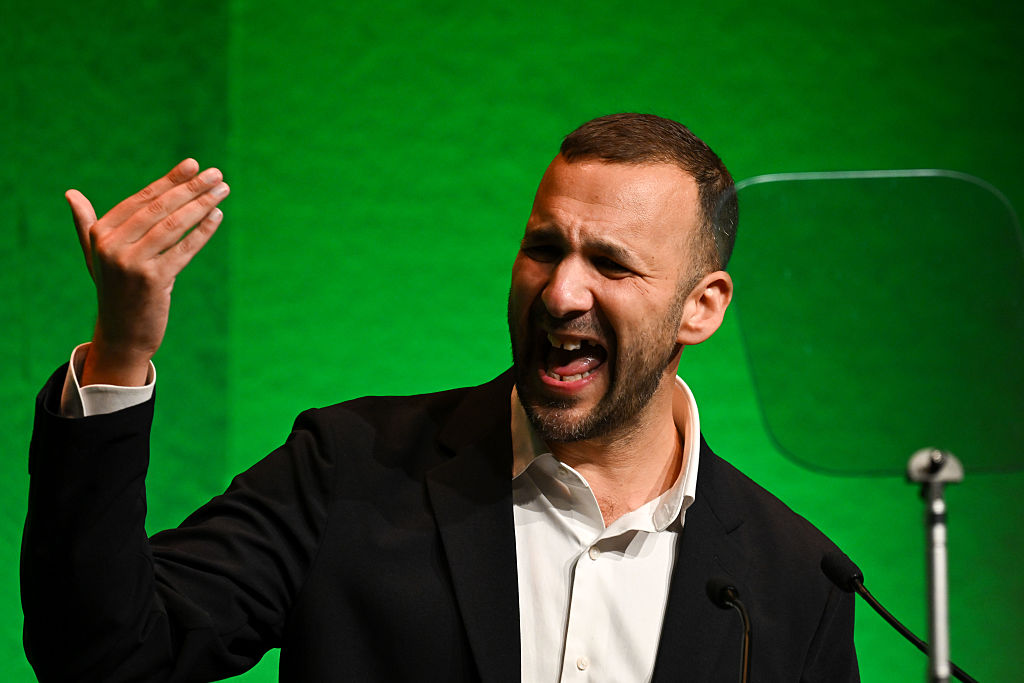
"Education is why I came into politics, and it is hardly talked about"

Greetings from Birmingham and the Conservative Party Conference, with Editor William Cash.
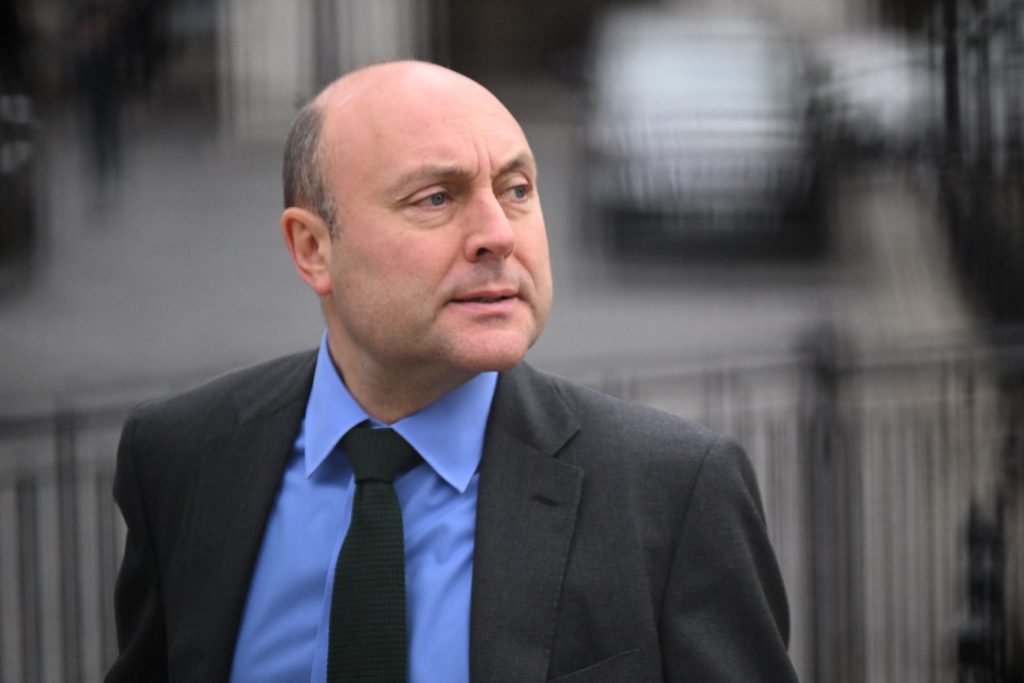
Healey’s affirmative line “There is nothing progressive about losing control” did little to stir ‘hype’ amongst conference attendees nor City bankers, but he is right to say it

In the latest addition of the Industry Reacts series, Lucy Carrier-Pilkington approaches leaders in hospitality to see their thoughts on the proposed ‘tourist tax’

The government's new 5% tourism tax and overnight levy is the last thing the UK's hospitality sector needs, says William Cash

The question of money buying influence in politics is centuries old and not going away

One of the world’s richest men has been accused of ‘harbouring stolen lemurs’: The Mace reveals a cautionary tale in fake news.