Tough Love: Is cutting benefits for young people fair?
It sounds like a straightforward fix: fewer young people on benefits, more in work. But is the reality so simple?


Cut business rates, increased minimum wage, and an overnight tourism levy give mixed results to the struggling sector
The Budget, delivered on Wednesday, was watched more closely by industry leaders – perhaps none watched closer than those in the hospitality industry, a sector that is one of the top employers in the UK but that has been suffering under recent government policy.
The key takeaways for the hospitality industry from the Budget include an increase in the Small Business Rate Relief threshold from £12,000 to £18,000. This is intended to exempt 70,000 small businesses, a real-terms freeze on business rates for larger eligible venues, and a targeted £10 million alcohol duty relief package for small independent brewers.
Alongside this – the Budget included a 3.9% increase in the National Minimum Wage and a RPI-linked 3.9% increase to the standard alcohol duty – both of which will have a sizable impact on the operating costs across hospitality.
UKHospitality CEO Allen Simpson said this minimum and national living wage uplift “will add further pressure for hospitality businesses already grappling with substantial increases in costs.
“For a labour-intensive sector like hospitality, wage increases of this scale represent a considerable additional burden that many businesses will struggle to absorb,” he added.
The standard VAT rate will remain at 20%, despite lobbying from the sector for a reduction, and the employer National Insurance arrangements remain unchanged.
“Hospitality businesses need the right conditions to create jobs”
Overall, this paints a mixed picture for the hospitality economy. While some concessions have been made to business rates, the inevitable increase in operating costs has been described by Dean Richmond, the owner of the Pets Corner chain, as akin to ‘moving the deck chairs on the Titanic.’
Robert Richardson, Chief Executive of the Institute for Hospitality, said: “Hospitality businesses need the right conditions to create jobs, invest in their people and plan for the future.
“When financial pressures increase, decisions about recruitment, training and development can become more difficult, but the people who lead our businesses and deliver exceptional hospitality remain our greatest asset, and supporting them must continue to be a priority. There is no point in burning the lifeboat to save the ship.”
“I believe this is the wrong tax at the wrong time”
Another controversial policy in the Budget that will affect the tourism and hospitality sector is the overnight visitor levy. The so-called ‘Tourist Tax’ is a levy on the occupation of short-stay accommodation in a local authority area. Despite vocal opposition from hotel operators and industry bodies alike, Healey reiterated Labour’s intention to give local mayors the power to impose unlimited levies on overnight stays across hotels and holiday lets from next year.
To this new policy, Richardson says: “As a former hotelier, I recognise the potential benefits of a visitor levy, particularly where revenues are ring-fenced for investment in local tourism infrastructure and improving the visitor experience.
“However, with hospitality businesses already facing unprecedented financial pressures, I question whether introducing another tax on our sector and its customers is appropriate.
“Ultimately, I believe this is the wrong tax at the wrong time. Our priority should be creating the conditions in which hospitality businesses and the communities they support can thrive, rather than adding further financial pressures.”
It sounds like a straightforward fix: fewer young people on benefits, more in work. But is the reality so simple?
The government has promised to ease energy bills while investing in Britain's energy future. But can it support North Sea production, expand clean power and meet climate commitments

After weeks of anticipation, Healey’s maiden budget looks to designed to re-assure the markets that Labour are fiscally responsible.

Ahead of the hotly anticipated Budget on Wednesday, Ella Beadman analyses what it could mean for welfare spending
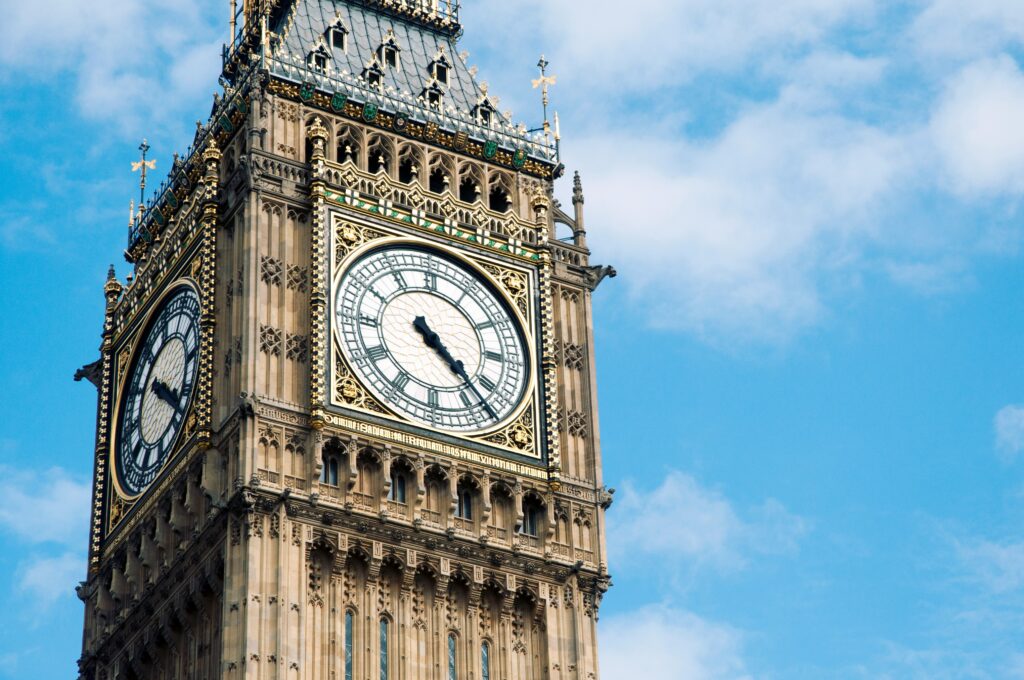
With just a week until the first Budget of the Burnham government is released, Mace analyses what the Chancellor’s biggest challenges are and what taxes might be brought

Healey’s affirmative line “There is nothing progressive about losing control” did little to stir ‘hype’ amongst conference attendees nor City bankers, but he is right to say it
As speculation mounts over further tax rises, Britain’s ultra-rich investors and job creators are choosing to take their wealth elsewhere.

End Fuel Poverty Coalition coordinator Simon Francis examines the four stories politicians hear about electricity and gas, and argues that the fight over which story shapes the agenda

New analysis reveals mixed results for the UK economy during this summer's tournament, with the hospitality sector reaching a record high and workplace productivity, unsurprisingly, worse for wear.

The most highly anticipated stock market debut of the year, perhaps of all time, has delivered a huge win for UK investors.
