Jenrick is right to abolish the Tourism Tax to save the Great British staycation
The government's new 5% tourism tax and overnight levy is the last thing the UK's hospitality sector needs, says William Cash


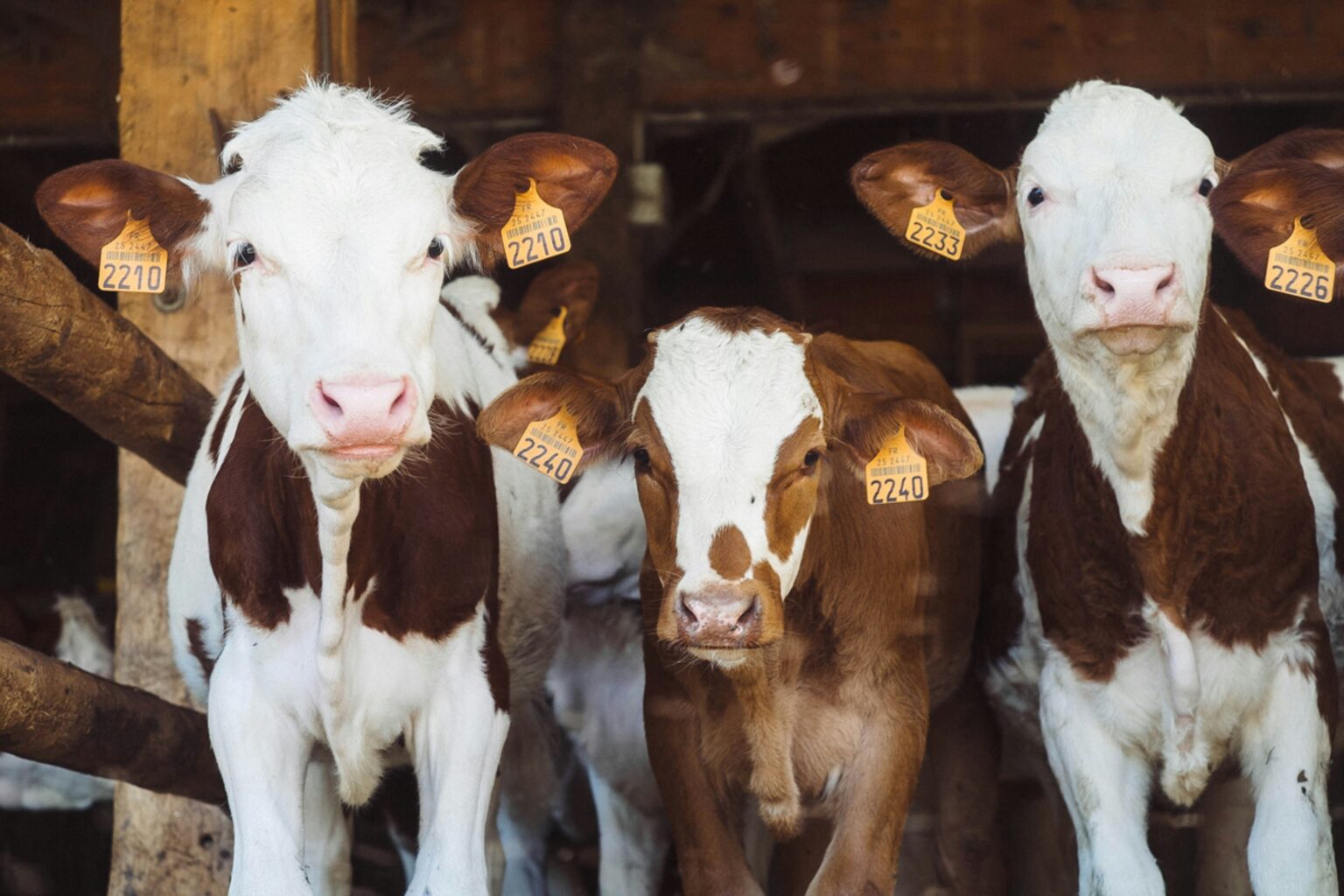
This summer exposed the chain of vulnerabilities faced by the agricultural industry, Ella Beadman writes.
Britain’s farmers are coming out of one of the most difficult summers in recent memory. Extreme heat and long periods of drought have led to accelerated harvests, reduced yields and increased pressure on water supplies. The question facing the government now is less what they can do to compensate farmers for a difficult season but more about how British agriculture can be made more resilient as the climate continues to change.
Climate change is increasing the severity and likelihood of extreme weather events around the world, further increasing food volatility. Westminster is being forced to confront whether water infrastructure, planning policy and food security needed to be treated as a strategic national issue rather than a problem for individual farmers.
This year the UK was hit with five heatwaves and widespread drought. According to the National Drought Group 71.3% of England was in drought last month as well as all of Wales. As a result of this extreme weather The Agriculture and Horticulture Development Board forecast the production of key crops will be down to 18.5 million tonnes this year, making the 2026 harvest the smallest on record.
According to the NFU, Britain’s self-sufficiency in 10 of the 11 everyday food such as wheat, vegetables, beef, poultry meat and eggs have fallen over the last 30 years and the country’s reliance on imported food continues to grow. Agri-food imports have increased in volume to 70% over this period.
These figures illustrate why this year’s conditions have raised concerns beyond the farm gate. Issues extend into domestic food production, supply chain and ultimately food security.
NFU President Tom Bradshaw said: “Successive governments have sleepwalked into making it harder to produce food at home, leaving Britain increasingly reliant on imports produced to standards that would be illegal here. The food scare in eggs in recent weeks is a tragic reminder of what happens when we get this wrong.
“Farmers are battling devastating drought, disease outbreaks and soaring costs”
“Farmers are battling devastating drought, disease outbreaks and soaring costs. At the same time, policy uncertainty, chronic underinvestment and a restrictive planning system are eroding Britain’s ability to produce its own food. This must and can be reversed.”
Earlier in the summer the government responded to the farming crisis announcing a £65m package for farmers, including an additional £50m funding for the 2026 sustainable farming incentive and up to £15m for on farm reservoirs. Beyond financial support, the Environment agency has committed to prioritising requests from farmers for short term variations to abstraction licence conditions in areas where water supplies are under pressure, while the government is simplifying the process for farmers seeking long term licenses for reservoirs.
These measures suggest a shift from simply responding to the consequences of extreme weather towards building resilience against it. But delivering that resilience is not just a question of financial support or individual farms have access to water reservoirs. It depends on how well Westminster understands and plans for the wider system that keeps domestic food production running.
According to Agricultural Industries Confederation’s Head of Policy and External Affairs, Ed Barker, Westminster lacks a sufficient comprehensive picture of the UK’s food, feed and agricultural inputs, and crucially how these supplies could change in the future.
Baker said: “The biggest policy gap is the lack of a comprehensive national picture of our food, feed and agricultural inputs, coupled with limited forward forecasting. We also have poor data on the crops and livestock present in the country at any given time and, crucially for future planning, there is little collective work on forecasting future supply and demand. With so many data points being collected across both the private and public sectors, we should be better able to predict risks, identify vulnerabilities and plan for the year ahead. This is a challenge for all four nations of the UK, not just Westminster.”
Questions around preparedness are particularly important as the world faces increasingly unpredictable global food markets. The AIC highlight the economic risk imported foods may pose to the country.
Baker said: “Part of the reason why inflation was so much higher in the UK in the early part of 2023 was because of our reliance on imports compared to other European nations was much higher. At that time, imported food and feed were averaging at an inflation rate 7.7% higher than domestically produced food. It showed how assuming that we can offshore our production of food is an economic and security risk.
The AIC’s message to parliament is clear: “Go out and see the infrastructure that helps feed the nation every day.” Its argument is that resilience cannot be built through emergency interventions alone but rather policy makers having a greater understanding of how the infrastructure and operation of the supply chains that make domestic food production possible work.
And that infrastructure extends far beyond the farm gate. For the British Retail Consortium, the issue is ultimately the resilience of the entire food supply chain from water availability to energy, domestic production and imports and the affordability of food on supermarket shelves. Water is one of the most immediate parts of that equation.
“There is no doubt within that water availability is one of the biggest current challenges”
The BRC’s Director of Food and Sustainability Andrew Opie said: “There is no doubt within that water availability is one of the biggest current challenges.
“Tackling the immediate problem of water availability by reducing barriers to investment in water storage, particularly by easing current planning restrictions must be a priority.”
This is an argument that closely aligns with the NFU’s calls for greater flexibility around abstraction and investment in on farm reservoirs. The issue is how this can be done without putting further pressure in an already depleted water system.
This summer has therefore exposed the chain of vulnerabilities faced by the agricultural industry. The government has begun to respond but the challenge for Westminster is whether they develop into a long term approach to food and agriculture resilience.
The government's new 5% tourism tax and overnight levy is the last thing the UK's hospitality sector needs, says William Cash
The new government protocol raises concerns about whether young people are getting the necessary exposure they need in their early careers

What happens when the technology that could one day threaten humanity begins to destroy the institution responsible for warning us about it?

As speculation mounts over further tax rises, Britain’s ultra-rich investors and job creators are choosing to take their wealth elsewhere.

In an exclusive op-ed for Mace, hospitality industry leader Robert Richardson sets out why the sector must do more to become accessible to young families.

End Fuel Poverty Coalition coordinator Simon Francis examines the four stories politicians hear about electricity and gas, and argues that the fight over which story shapes the agenda
Seasoned Farage aide-de-camp Gawain Towler reflects on Reform's first ever Business Day at the NEC - and what it's like when a media grenade goes off during the

Britain’s farmers have battled repeated heatwaves and droughts, but MP John Cooper says the government’s Family Farm Tax is piling further pressure on an industry that desperately needs
You don’t have to like the Sussexes to believe the government has a duty to protect them.

Is there a connection between Prince Harry's share of a £34 million legal bill and his sudden move back to the UK? The Mace follows the money.