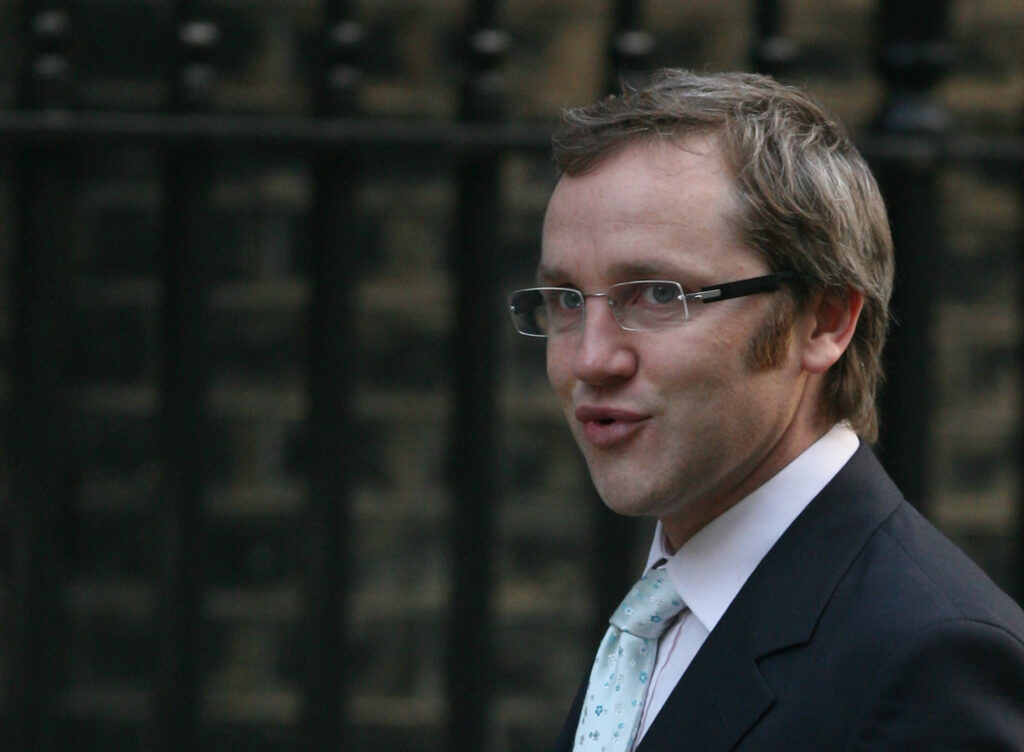
Leader in UK Public Affairs: Beth Armstrong, Partner, Charlesbye, “Control the controllables”
The combination of government, campaigns and consultancy gives Beth a broad view of Westminster



Jonathan Brown, CEO of Centre for a Better Britain, explains why Westminster needed a new think tank for a new political era
It’s an occupational hazard in the policy world to think in aphorisms and quotes. When setting up a think tank, the first that comes to mind is “don’t do this at home kids”. Setting up the Centre for a Better Britain has combined the challenges of both setting up a start-up with all the demands inherent in that endeavour with the controversies of policy work, in an increasingly febrile political environment. Rather like driving a car through a ravine at speed there have been many handbrakes turns and the paint work gets scratched a lot.
The first challenge was the most existential – Why did British Politics need another think tank? Wasn’t I just creating yet another talking shop, with an irritating acronym and a Millbank Tower office?
The truth is that the 2024 election was proof, if any was needed, that the Overton Window – the range of ideas acceptable to the general population at any given time – had shifted dramatically. What might have been considered unsayable just five years ago are now mainstream; whilst what was mainstream – like Net Zero – has become increasingly unpopular.
The primary reason for this shift was the state of the UK; there is now an all-pervasive sense that the UK is in managed decline, and that the two main parties were complicit in this decline, rather than making any attempt at reversing it. There was also at that moment a paucity of thinking on practical measures on turning the country around. Practitioners, businesspeople and experts needed a forum to discuss real policy options that were both grounded in reality but not completely constrained by the bureaucratic and judicial thinking which has become a permanent barrier to policy solutions in the UK.
“Quite simply, the landscape of think tanks were not keeping up with the times, and there was a vacuum for radical thinking that I could help fill”
It seemed to me, in the heat of late Summer 2024, that the current establishment of think tanks were not prepared or willing to fully grapple what our country required in policy terms to reverse the UK’s decline, and provide the answers that the people of Britain so desperately wanted. The countries problems are so entrenched, and so systemic that only fundamental and radical change will fix them.
This is not to disparage the work that established think tanks have done – we stand on the shoulders of giants. Much of Thatcher’s Government was built on ideas from the CPS. Institutionally, many of them with strong links to the established parties on both sides of the house; formed and run by Cabinet Ministers of long-gone Governments who helped create the mess we now find ourselves in. Quite simply, the landscape of think tanks were not keeping up with the times, and there was a vacuum for radical thinking that I could help fill.
Lift off was always going to be challenging – essentially a think-tank is a start-up, that looks for investment but offers no direct financial return to backers, only the satisfaction that they have helped to contribute to the policy debate and shape the future of our nation. This makes fundraising an enormous part of my job; and I am fortunate to have the support and counsel of a number of generous individuals that allowed CFABB to get off the ground. It wasn’t long until our office in Millbank Tower – the scene of so many great political endeavours – was complete, and I could start hiring staff with both policy and media expertise.
“Like many think tanks, CFABB is independent of any political party; despite the media’s best efforts to paint us as ‘Reform’s think tank’, as part of the dark cabal narrative.”
Matters were not helped by some early, and deeply erroneous, press reporting claiming that we had instantly raised enough money not just to make us the best funded think tank in the UK, but enough to deploy a small army. This of course in turn attracted an army of left-wing journalists and campaigning organisations, all convinced that we represented some sort of secret cabal of dark money. Life would be easier if we did have a cabal with vast amounts of dark money frankly.
Like many think tanks, CFABB is independent of any political party; despite the media’s best efforts to paint us as ‘Reform’s think tank’, as part of the dark cabal narrative. My staff are made up of supporters of multiple parties and none; and our independence allows us to consult experts across policy areas without them worrying about our political affiliations. Indeed, it remains the case that many people from industry participate in our working groups based on political neutrality and independence.
There are lessons to be learnt from the US think tank experience. This is not about creating some pale copy of the MAGA movement – the UK remains a very different political environment to the US with a different political consensus. It is however about learning from a much more complex and developed think tank ecosystem than currently exist in the UK. And also, to be frank, learning what mistakes to avoid when enacting a radical change agenda.
We have made the classic British pilgrimage to Washington DC, where our cousins are keeping a close eye on the UK political scene. Their perspective is interesting – now living through their second, more organised, Trump administration and seeing attempt to tackle the same issues that we now face. Many evenings have been spent in Butterworth’s; a restaurant part owned by Brit Rahim Kassam, which serves as the canteen for expat Brits, gossiping with journalists and strategists as to whether Rubio or Vance will receive Trump’s blessing, whilst sipping on a ‘Harry Cole’, a potent cocktail named after The Sun’s former Political Editor who’s now Editor at Large based in D.C.
With a growing team, I am pleased that, a year and into really getting going, the Centre for a Better Britain has moved from surviving to thriving. We are publishing reports on a regular basis – which you can see on our website www.cfabb.uk , on a range of policy matters. We are also undertaking two major pieces of work; one on City reform and the other on energy, both of which consist of four individual working groups made up of relevant experts. This work, which will form the substantial basis of our year’s output, will all be published by the end of the year and constitute our most detailed research project to date.
I’ve been in politics long enough to not attempt to predict the future, but I am confident that; with our donors continuing generosity CFABB will establish itself as a core part of the think tank eco system. As we continue to grow we are looking to hire an AI specialist, to help us think through the political and economic implications of what looks set to be the next industrial revolution. We are also moving to develop our defence thinking, an area where we are sadly responding to market demand.
I’m always interested to hear from the readers of The Mace, with any ideas or contributions they may have, and can easily be contacted on our website.
The combination of government, campaigns and consultancy gives Beth a broad view of Westminster
Fabri discusses his support for greater transparency and his belief that lobbying standards should apply beyond traditional public affairs agencies

It is still early days for the new Prime Minister, but lobbying trackers have witnessed an increase in activity since his arrival in No. 10

The accusation that AI has the potential to ‘kill all humans’ in the next decade has sent shockwaves around the world, but what are the controversial AI companies’

After two decades spent in advocacy on behalf of business, Ros reveals what parts of the industry she believes needs reform.
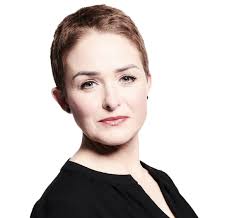
The innovative digital comms veteran Marshall Manson, now CEO of FleishmanHillard UK, reveals how he misses The West Wing, was introduced to Westminster by Gyles Brandeth's political diaries

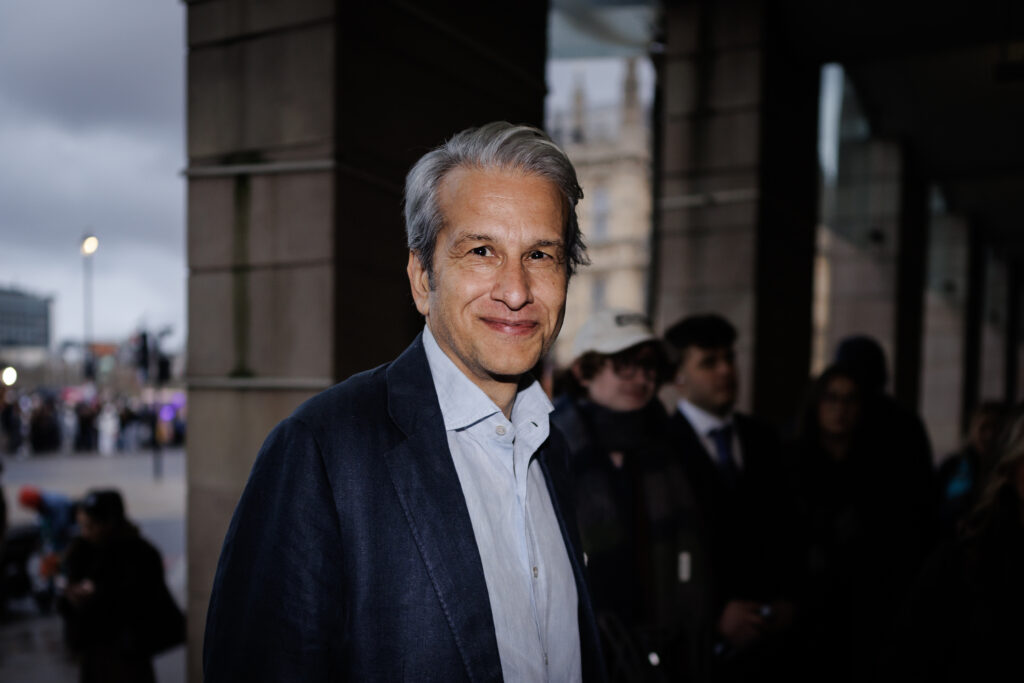
From political editor of The Sunday Times to bringing down two BBC chiefs, Michael Prescott reflects on his distinguished career as a journalist and now leading UK corporate
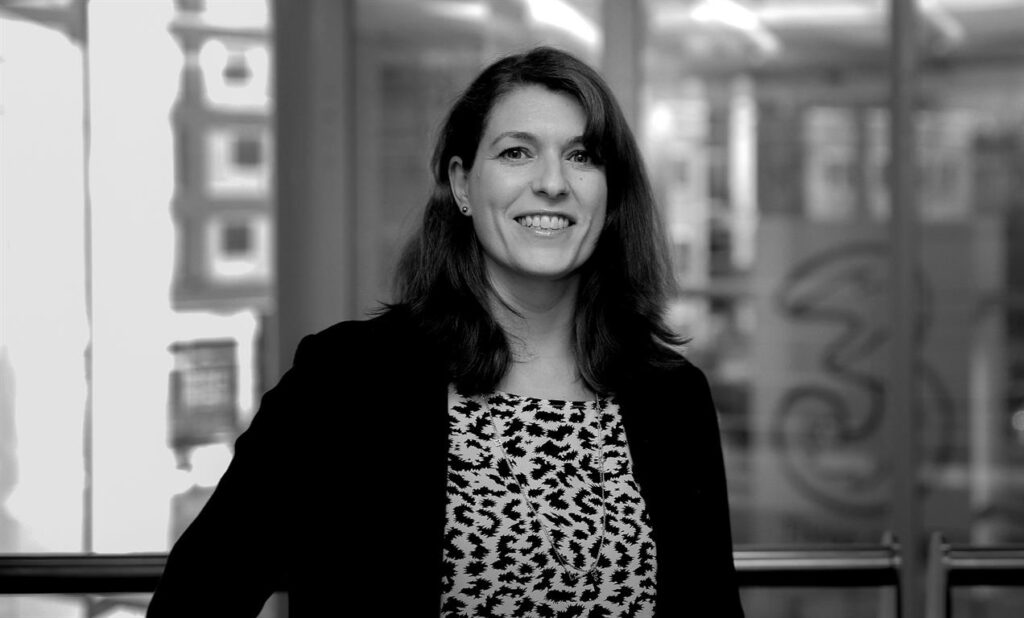
Former director of corporate communications at Three UK, Juliet Callaghan, has rejoined FTI Consulting’s UK Strategic Communications segment.
Industry leaders say that 'trust hangs by a thread' and the time has come take action.
Bombshell evidence reveals Burnham’s soon-to-be Chief of Staff ran a lobbying firm that hosted a multitude of undisclosed meetings with Labour officials.