Leader in UK Public Affairs: Beth Armstrong, Partner, Charlesbye, “Control the controllables”
The combination of government, campaigns and consultancy gives Beth a broad view of Westminster



The accusation that AI has the potential to ‘kill all humans’ in the next decade has sent shockwaves around the world, but what are the controversial AI companies’ actual ties to the British state? And how deep do they run?
Anthropic has found itself in the headlines again after it told investors that advanced AI could pose “catastrophic or existential risks to humanity” as it prepares for a potential £1.5 trillion floatation. The terrifying warning is inside the startup’s IPO prospectus which has yet to be made public. The prospectus outlines the company’s finances, growth plans and risk profile ahead of share listing. It allegedly warns that AI models could exhibit “self-preserving behaviours”, including attempts to “resist shutdown”, to “conceal or manipulate information” and behaviour “resembling blackmail”.
“Catastrophic or existential risks to humanity”
The developer of the Claude chatbot has reportedly said: “Our development of highly advanced models, platforms, and applications and expansion of use cases could further increase the risk that our models cause harm” according to Reuters and the Financial Times. This week, OpenAI announced it had cancelled the release of its newest model because of safety concerns. The organisation said the GPT-6.1 Astra model showed higher levels of deception and performed poorly on tests for alignment, the term for ensuring a model adheres to human values and goals.
However, despite the concerns that surround these companies and their impact on humanity – they are actively allowed to maintain close lobbying ties to the UK government.
For instance, Matt Clifford, who wrote the Government’s AI Opportunities Action Plan and helped establish the AI Security Institute, joined Anthropic as managing director of international affairs on 2 September. Following criticism of a potential conflict of interest, he has now announced that he will leave his parallel role as chair of the state-backed Advanced Research and Invention Agency on 6 November. This shows that Anthropic is no longer merely lobbying the British state. It is recruiting the people who designed the state’s AI policies and understand how decisions are made across Downing Street, Whitehall and Parliament. Clifford’s move—and the controversy surrounding his ARIA position—raises immediate questions about the loss of public-sector expertise, the operation of the revolving door and the advantages available to an AI company able to construct a formidable public-affairs function in-house.
Another key move has been Lord Liam Booth-Smith who was the former No.10 Chief of Staff for Rishi Sunak and is currently a Tory Peer. He took an external affairs role after entering the House of Lords but the Advisory Committee on Business Appointments has restricted him from direct UK government lobbying. Former Prime Minister Rishi Sunak also accepted a part-time advisory role acting as an internal “think tank” for Anthropic. He too has been barred from lobbying ministers or advising on government contracts due to the high risk of perceived unfair access. However, the opaque nature of UK lobbying is a point of contention in the public affairs industry, and formal restrictions cannot be exclusively relied upon to ensure best practice.
The combination of government, campaigns and consultancy gives Beth a broad view of Westminster
Fabri discusses his support for greater transparency and his belief that lobbying standards should apply beyond traditional public affairs agencies

It is still early days for the new Prime Minister, but lobbying trackers have witnessed an increase in activity since his arrival in No. 10

After two decades spent in advocacy on behalf of business, Ros reveals what parts of the industry she believes needs reform.

The innovative digital comms veteran Marshall Manson, now CEO of FleishmanHillard UK, reveals how he misses The West Wing, was introduced to Westminster by Gyles Brandeth's political diaries

From political editor of The Sunday Times to bringing down two BBC chiefs, Michael Prescott reflects on his distinguished career as a journalist and now leading UK corporate
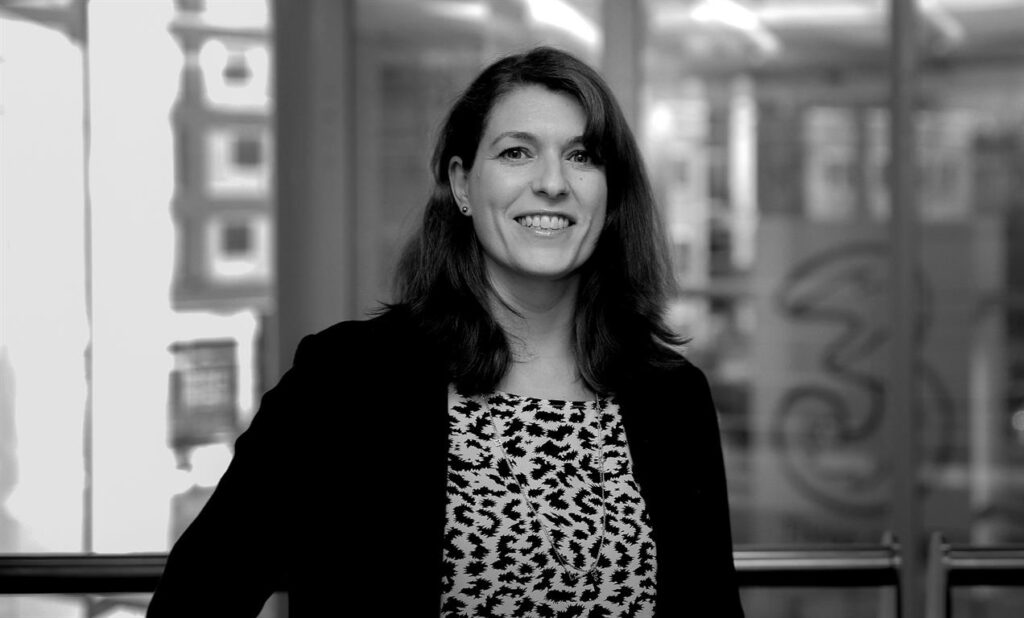
Former director of corporate communications at Three UK, Juliet Callaghan, has rejoined FTI Consulting’s UK Strategic Communications segment.
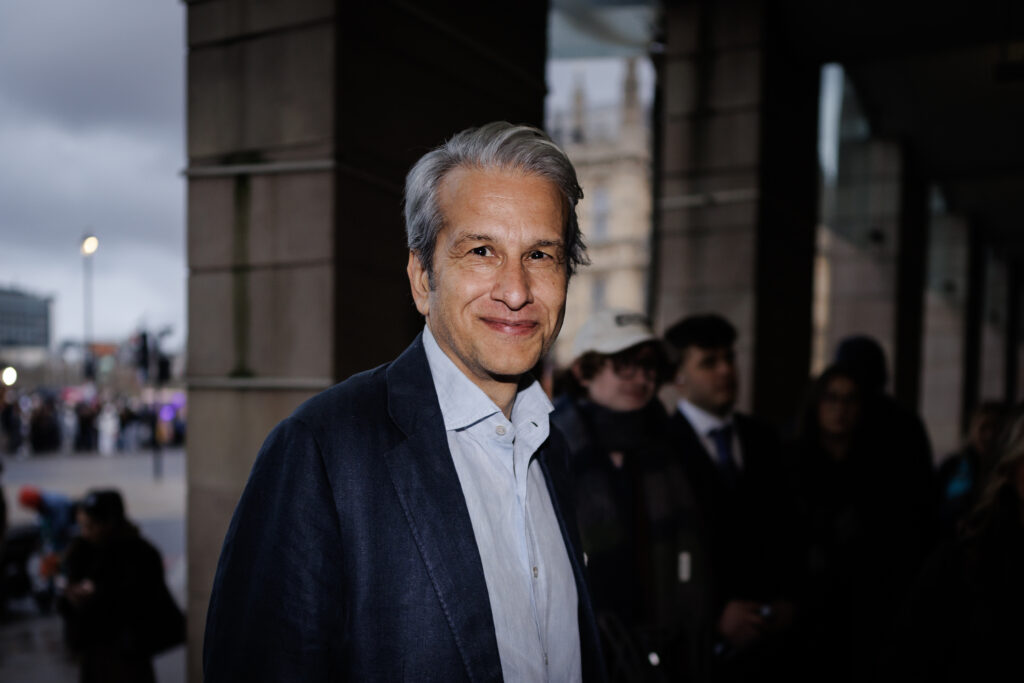
Industry leaders say that 'trust hangs by a thread' and the time has come take action.
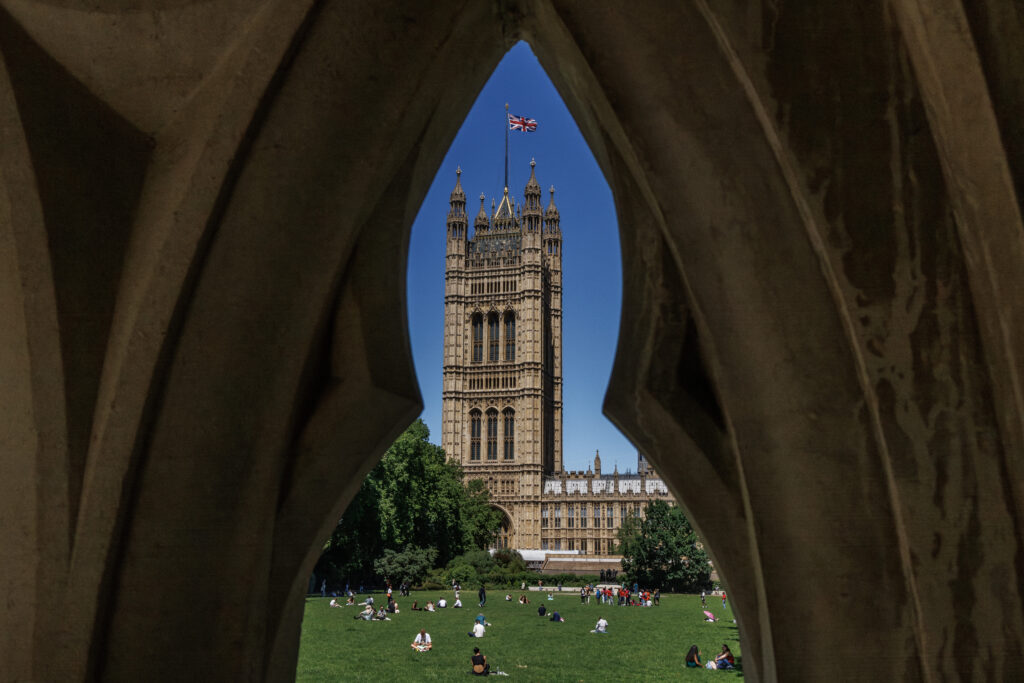
Bombshell evidence reveals Burnham’s soon-to-be Chief of Staff ran a lobbying firm that hosted a multitude of undisclosed meetings with Labour officials.
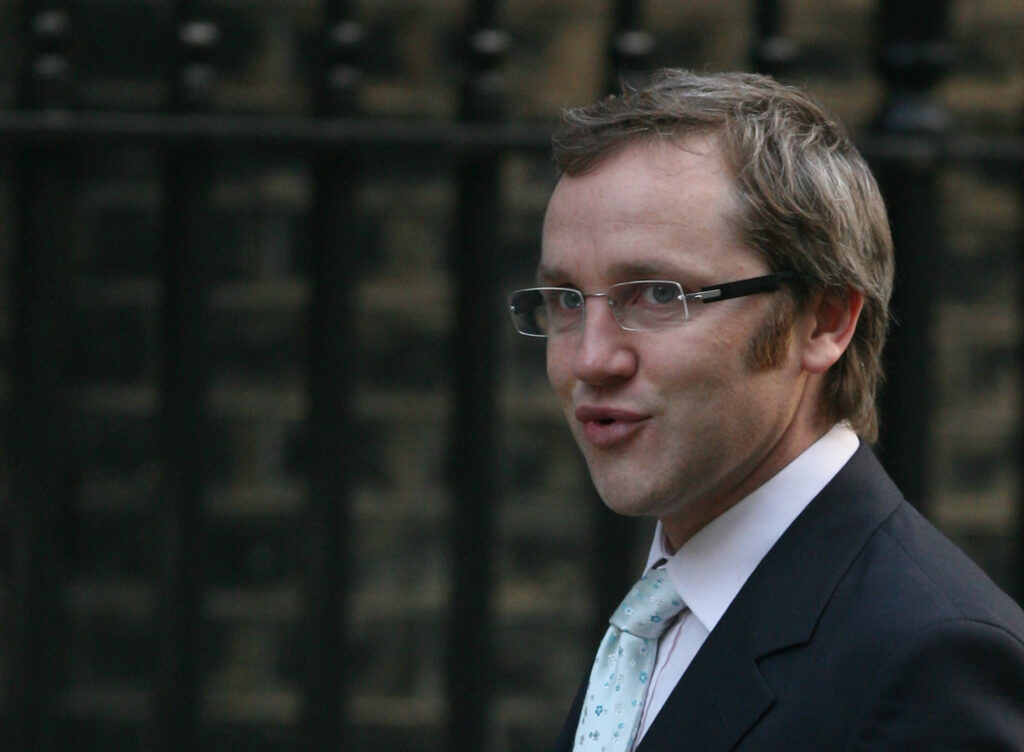
Flint Global CEO James Purnell's expected appointment as Andy Burnham's chief of staff is just the latest Westminster merry-go-round job move from Public Affairs back into Downing Street.