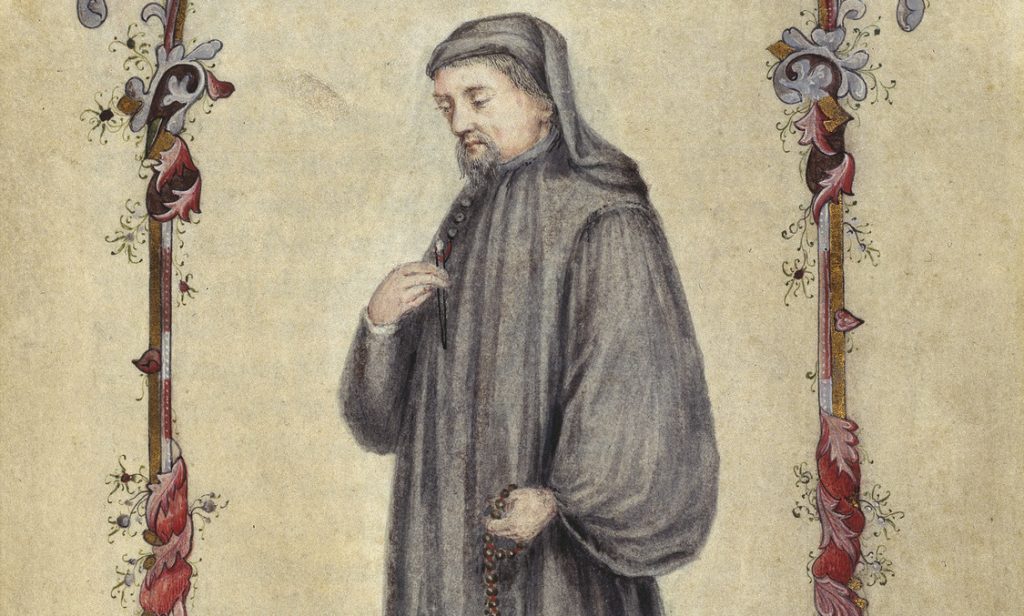
Rebuilding Ukraine’s future with music and memory

Sophia Ibrahim | 9th October 2025 | International, Kyiv, Uncategorised
e97bdda2-51b8-4f6d-99d8-358f0272d6ee

As Ukraine rebuilds from war, music is emerging as a vital force for healing, unity and national renewal.

As Europe turns its attention to the colossal task of rebuilding Ukraine, the emphasis has largely been placed on physical infrastructure such as roads, hospitals and housing. Yet the deeper challenge lies in restoring a fractured social fabric. For Ukraine’s long-term stability, arts and culture must be elevated from a luxury to a central component of reconstruction policy. Music offers a powerful case study of how culture can cultivate social cohesion, resilience and democratic values. In the corridors of Brussels and Kyiv, aid packages often prioritise tangible deliverables. But culture, and music in particular, should be seen as social infrastructure rather than decoration. Music bridges linguistic divides, heals trauma and reweaves the bonds between communities fractured by conflict. The European Commission’s Directorate-General for Education and Culture and UNESCO are well positioned to provide leadership in this area. Embedding culture into recovery plans would transform it from...

Subscribe to The Mace

Join the member community shaping British politics and stay ahead of what's really happening in the world of politics and public affairs, with expert analysis, breaking news, and insider insights from Westminster and Brussels. The Mace is the leading news source and resource for the government affairs industry, offering required reading and lobby intelligence for professionals.

To see what you are missing out on by not subscribing to The Mace, click here to download our full membership info-pack. This includes having no paywall on op-ed content or profiles/interviews, allowing professional profiles to be read with maximum impact and visibility by government, special advisers, MPs, peers, civil servants, and policy and political decision-makers.


Meditations in an Emergency: Whitehall during COVID

Adam Solomons | March 24, 2021

An Institute for Government report diagnosed Whitehall’s mixed success during the coronavirus pandemic. Its lead author said making the necessary changes will be no mean feat.
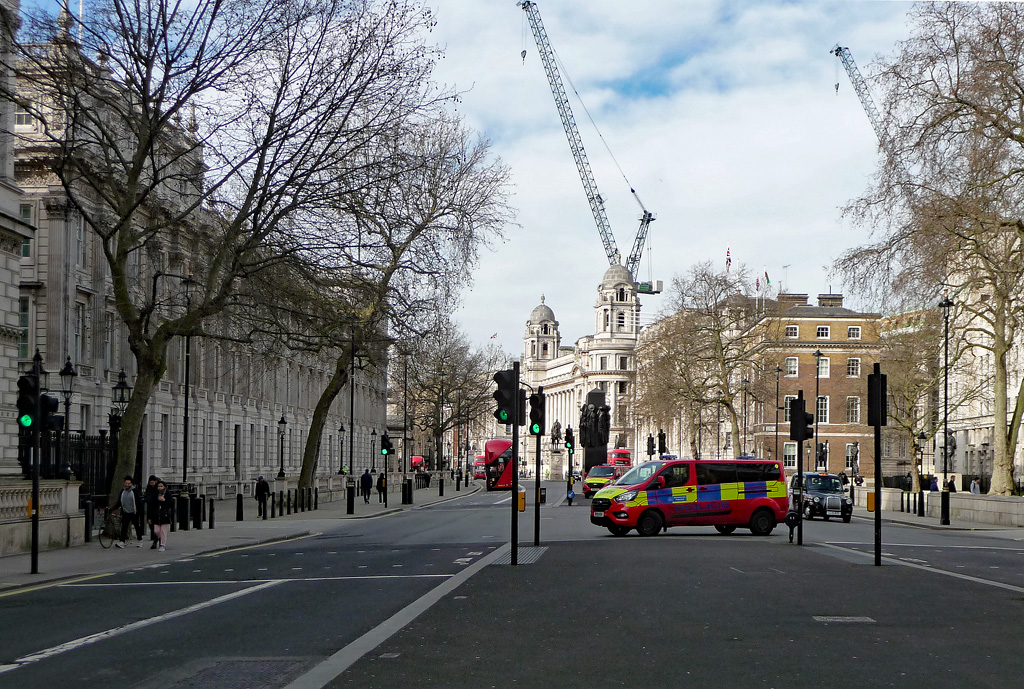

Who backs who in the modern Conservative party?

Marie Le Conte | March 23, 2021

In her latest Jackdaw circular, Marie Le Conte observes a rare ceasefire in Tory backbench alliances. Will it hold?
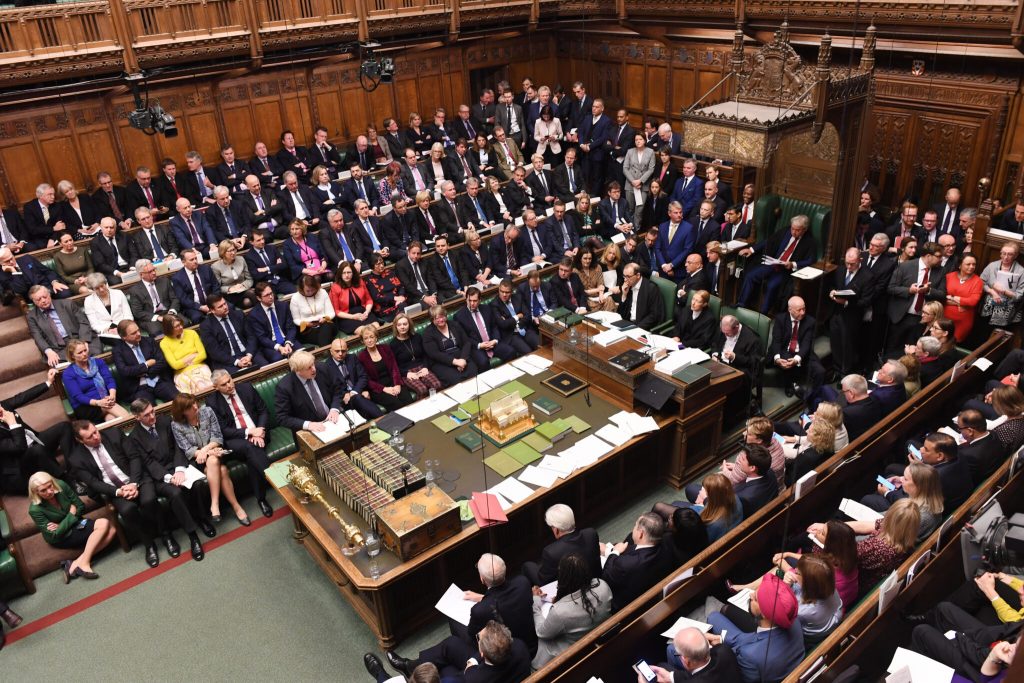
The APPG for One Punch Assaults should tread lightly

Bill Bowkett | March 22, 2021

Mandatory minimum sentencing is an unwise aspect of considerations made by the MPs’ lobby group led by Dehenna Davison, argues Bill Bowkett

The internet said #BringBackPiers. Too right.

Adam Solomons | March 18, 2021

Symbol of British decline or catalyst for seaside renewal? Either way, they deserve our love and attention, argues Adam Solomons
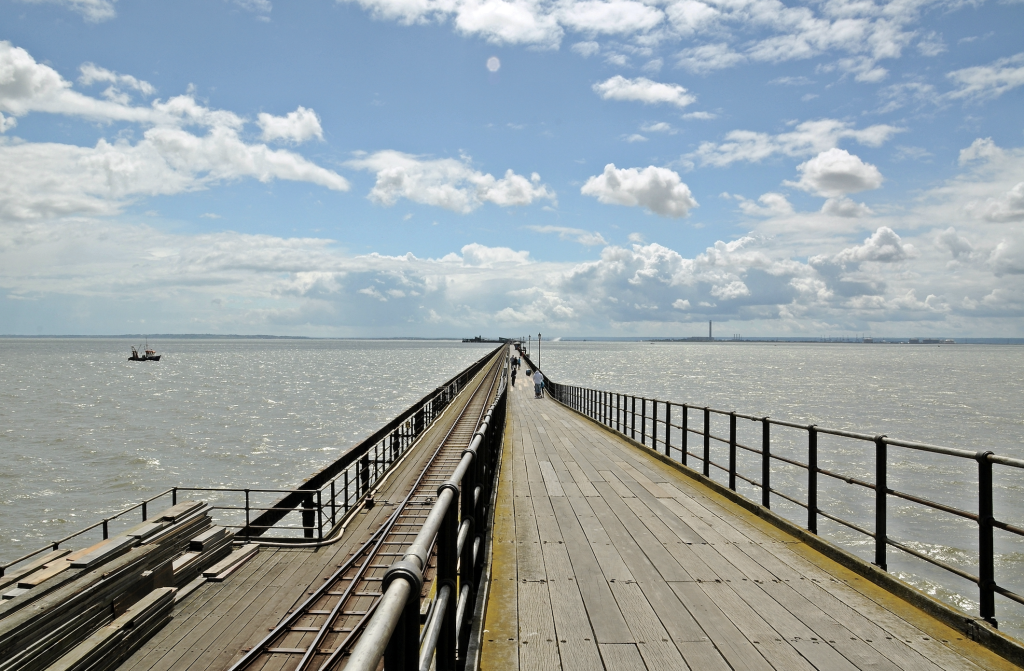
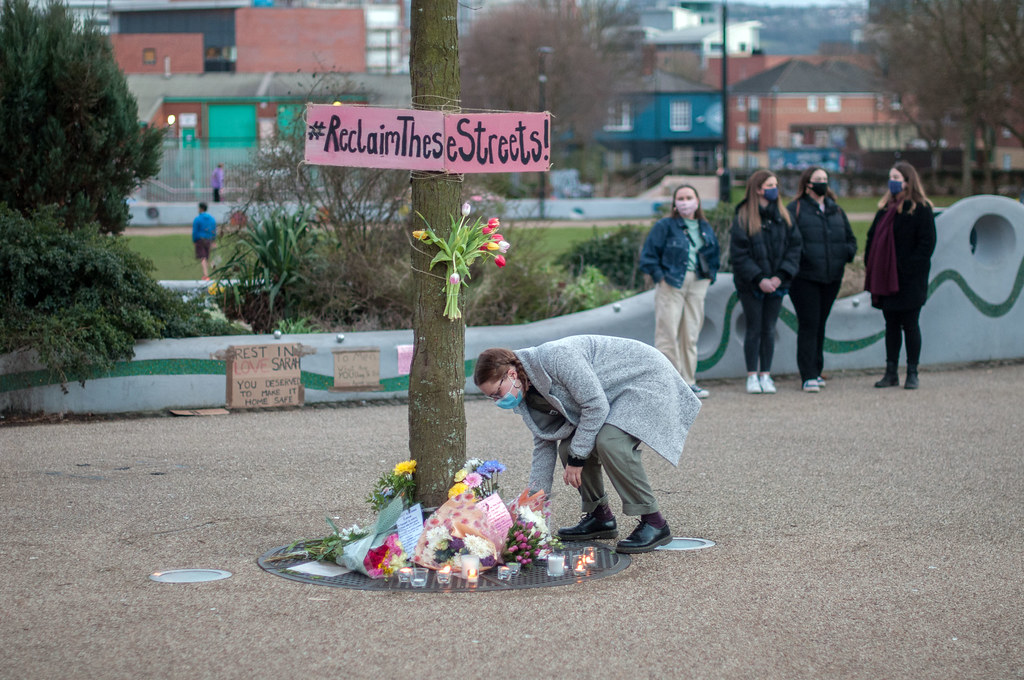
Women don’t need a new Met Commissioner. We need concrete action.

Megan Kenyon | March 17, 2021

Fear and unease are widespread among women across the UK. Gestures from Westminster won’t cut it, argues Megan Kenyon.
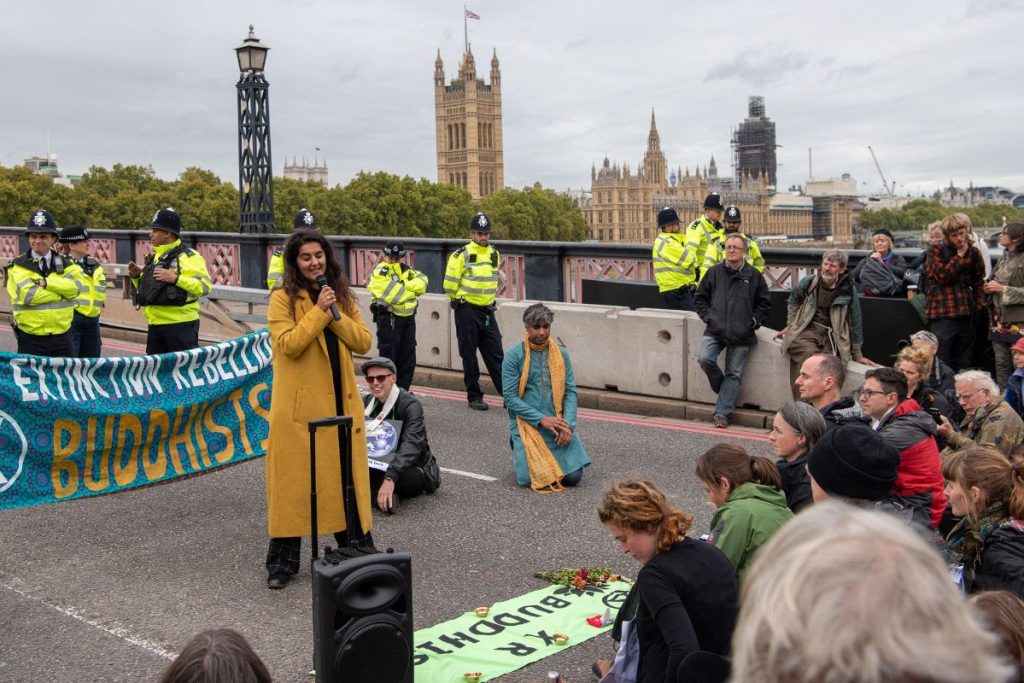
To Westminster: remember climate change?

Marie Le Conte | March 9, 2021

In her latest Jackdaw entry, Marie Le Conte argues Westminster politicians are forgetting about one very important issue.
How shutting borders is punishing migrants in the UK

Marie Le Conte | March 2, 2021

I have no plans to leave, but I have to confess that the past few years haven’t been easy on us immigrants, argues Marie Le Conte

Digital Confidential: A Change is Gonna Come

Damian Collins MP | March 1, 2021

In the social media age, the amplification of a constant drumbeat of false and harmful messaging that can radicalise its recipients, argues Damian Collins
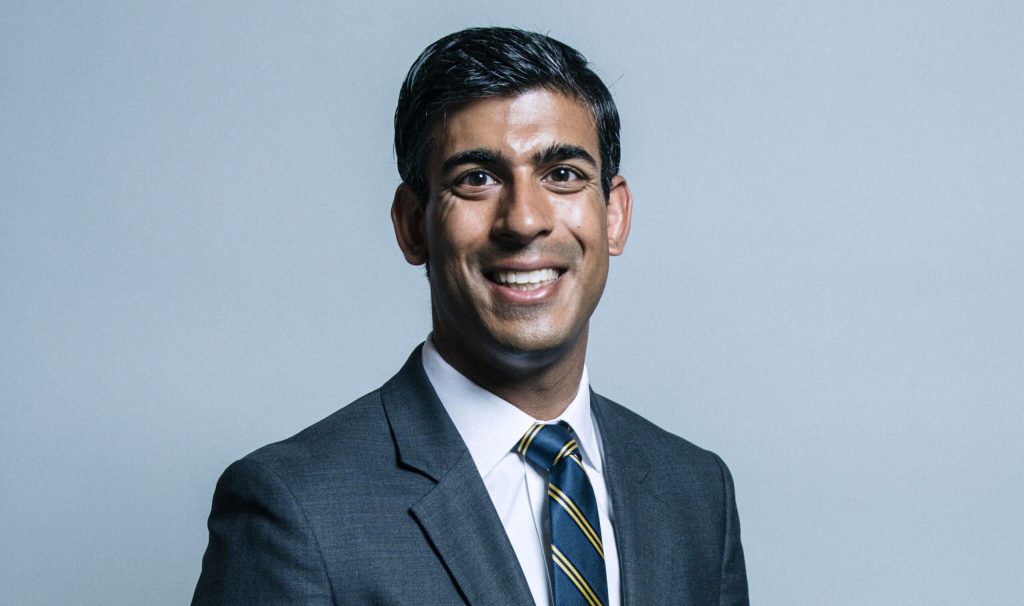
Rishi Sunak can play it safe or do the right thing

Eliot Wilson | March 1, 2021

The Chancellor must make this an economic budget, not a political one, argues Eliot Wilson
Why ‘cancelling’ MP-poets is Woke tyranny

William Cash | February 23, 2021

We still have plenty to learn from the father of English literature and former MP, argues William Cash