Charity isn’t enough to beat poverty

Adam Solomons | Issue 3 | Magazine

From the Archive

TheChamber

While Marcus Rashford's anti-poverty campaign is commendable, only the state can put an end to child poverty, says Adam Solomons

In the 100 years since Max Weber defined the state by its “monopoly on the legitimated use of physical force”, the spheres of influence over which democratic governments now have substantive or complete control has multiplied many times over. Recent and valiant efforts by anti-poverty campaigners and the Manchester United striker Marcus Rashford to provide lunches to schoolchildren during this austere half-term break make that clearer.  If the primacy of compulsory mask-wearing and a state-sanctioned national lockdown wasn’t evidence enough, this latest reality check on the modern importance of the state in untold areas of our lives should suffice.  But first, said reality check. After a gargantuan effort by charities and the private sector the UK over, some 10,000 extra lunches were given to British schoolchildren on Monday alone according to the Huffington Post. An admirable initiative indeed, and hats off to all involved. Even senior members of the government said as much, with Matt...

Subscribe to The Mace

Join the member community shaping British politics and stay ahead of what's really happening in the world of politics and public affairs, with expert analysis, breaking news, and insider insights from Westminster and Brussels. The Mace is the leading news source and resource for the government affairs industry, offering required reading and lobby intelligence for professionals.

To see what you are missing out on by not subscribing to The Mace, click here to download our full membership info-pack. This includes having no paywall on op-ed content or profiles/interviews, allowing professional profiles to be read with maximum impact and visibility by government, special advisers, MPs, peers, civil servants, and policy and political decision-makers.


Erskine: Systems failure

Bernard Jenkin | June 7, 2022

Putin’s invasion of Ukraine proves that the West has been asleep at the switch while he set out his plans in plain sight. How did our systems fail
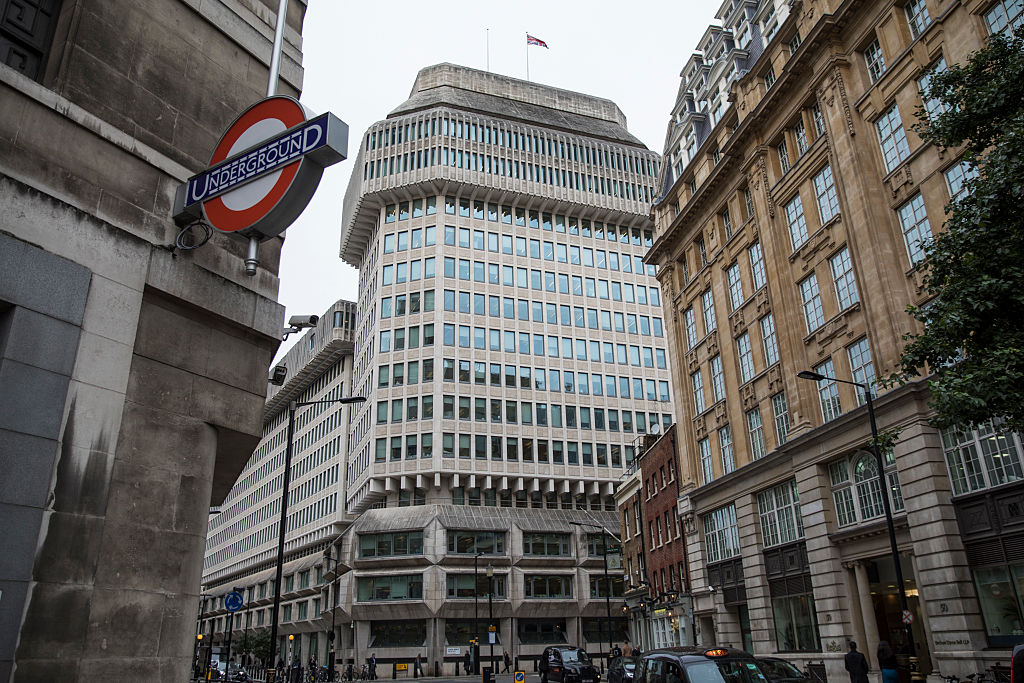
Dolitics: protecting our armed forces

Dolly Theis | June 6, 2022

There is new and widespread evidence of sexual offences committed against both men and women within the armed forces

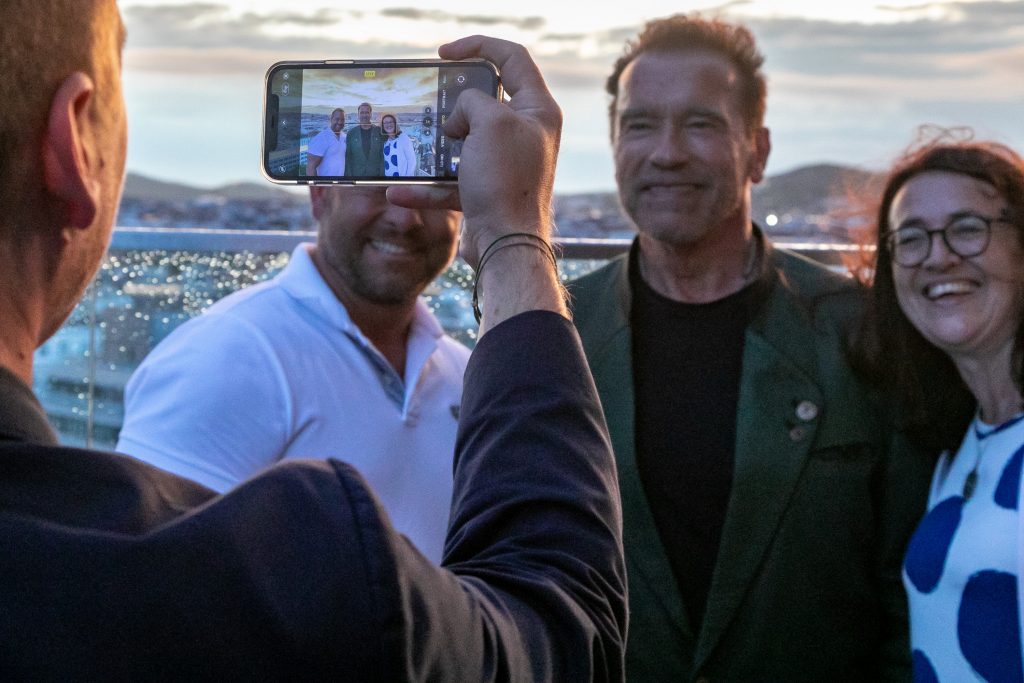
The Austrian World Summit

Lucy Kenningham | June 1, 2022

How Arnold Schwarzenegger’s Climate Initiative is opening the doors of environmental conferences to normal people
Podcast dos and don’ts

Lucy Kenningham | May 31, 2022

Politicians are grabbing the microphone by the bucket load in order to "pod". But it's not always a wise move

Creating a digital forum for voters in Germany

Lukas Holter and Christoph Schleifer | May 30, 2022

How CamBuildr works to give campaigners new tools for engaging with voters

Why neutrality is no longer an option for island states

Jeffrey Salim Waheed | May 27, 2022

Vulnerable nations face uncertain futures and complex allegiances in the face of a changing world order

Seven shades of Brown

Arthur Salisbury | May 25, 2022

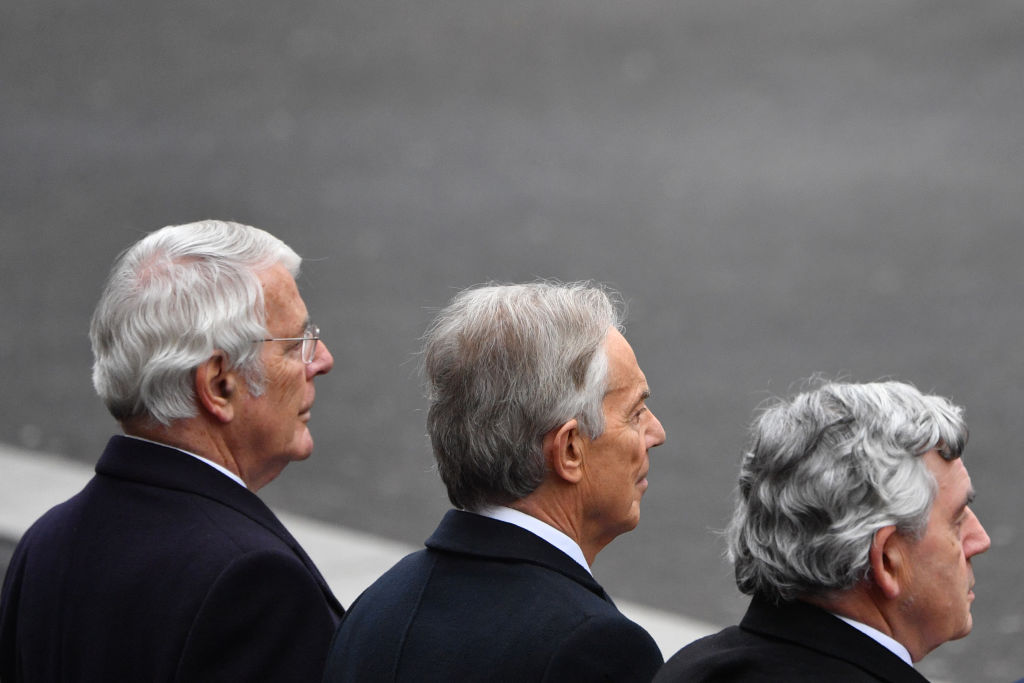
It might have been written in good faith, but in his new book who is the former PM talking to?
Eastern promise: visiting Azerbaijan

Christopher Silvester | May 23, 2022

Azerbaijan and its capital Baku have become must-visit tourist destinations

With or without EU

Jorge González-Gallarza | May 20, 2022

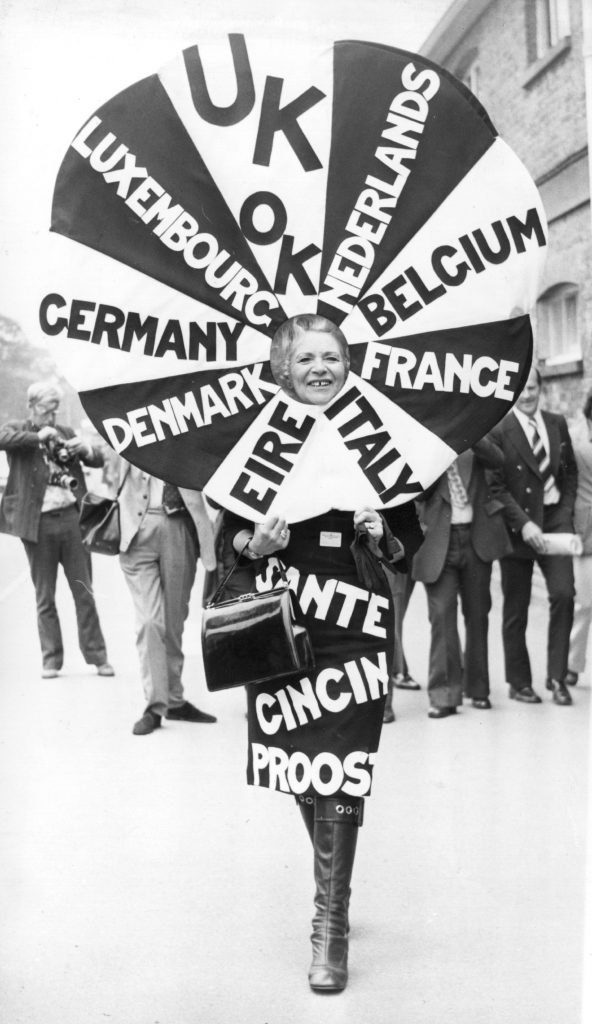
Did post-imperial syndrome cause Britain to join and then leave the EU?
The Spike: Natasha Sindeyeva

Lucy Kenningham | May 19, 2022

The remarkable story of the exuberant socialite who founded Russia’s only independent television channel