The End of ‘Domocracy’ at No 10

Peter Cardwell | Issue 5 | Magazine, Politics

From the Archive

Dominic Cummings Special
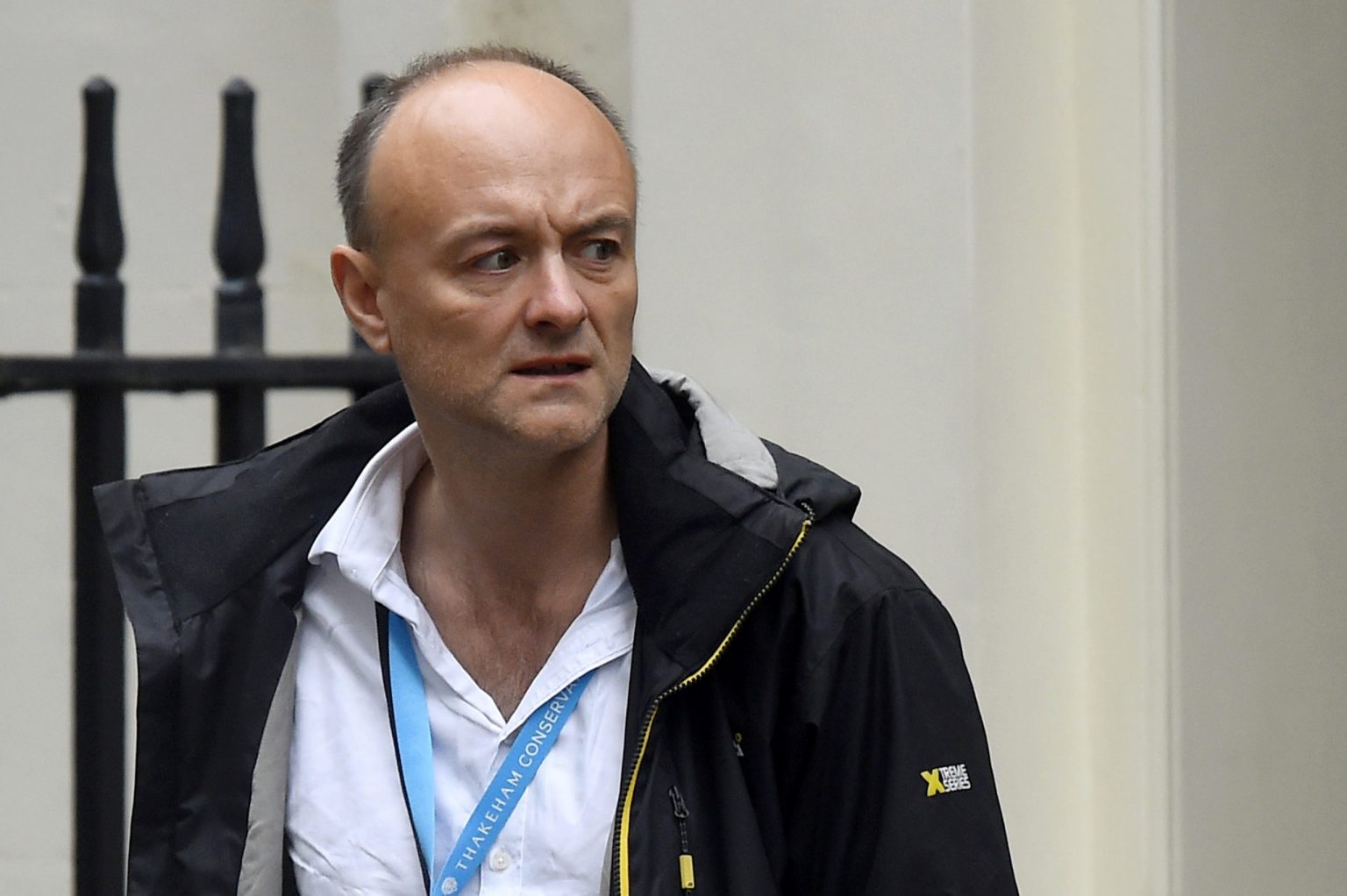
Special Adviser Dominic Cummings leaves 10 Downing Street leaves with British Prime Minister Boris Johnson on October 3, 2019. (Photo by Peter Summers/Getty Images)

Dominic Cummings's departure from Downing Street gives Boris Johnson the chance to reshuffle his team on more democratic lines, says former SpAd Peter Cardwell

Having been originally reluctant take the role of adviser to Boris Johnson, Dominic Cummings never needed the title of chief of staff.  That's because he had more power than almost anyone who has ever had that role.  Dom - who I worked alongside as a special adviser - came into government for three reasons: to secure a large majority for the Conservative party in an election, get Brexit done and to reorganise the way the civil service interacts with the political team. The fact that he has achieved all three of these things in less than 18 months is an incredible legacy many Cabinet Ministers would kill for.  And that is why he is probably the most successful special adviser in the 56 years the role has formally existed.

But, in the end, Dominic's unseemly demise was much more Albert Square than Downing Street.  Just as when a the soap actor's character gets killed off, the "reasons" are the same - I was planning to leave anyway, I felt I had done everything I could with the character and I look forward to the exciting new opportunities ahead.  For someone who hates the press, Dominic is nonetheless a brilliant spinner himself, however his excuse that his blog had outlined that he would leave by the end of the year anyway was a bit of a stretch.  

Back in Downing Street, Boris Johnson is, conventional wisdom goes, weakened.  But, actually, this could be a huge opportunity a reset of the Johnson administration, which could come back even stronger.  Underestimating Boris Johnson is a mistake many have made, including me.  And we've heard so much this week about what Dom wants, what Lee wants, what Carrie wants, what Allegra wants, but very little about what Boris Johnson himself wants.  Now he must tell us in no uncertain terms.

And that signal can be sent loudly and clearly by Boris appointing a chief of staff who will be anonymous, operate in the shadows and who will allow Boris -- not any adviser -- to show political leadership.  That's why someone like Dr Munira Mirza - Boris's hugely able, consensual and drama-free director of policy - or a long-serving Conservative activist such as David Canzini, who properly knows the party inside out, would be excellent appointments.

A reshuffle must be carried out in January, well before the local elections and can be a huge chance to chance to refresh the team and return to Cabinet government: democracy as it should be, rather than a Domocracy.

Peter Cardwell is the author of 'The Secret Life of Special Advisers', published by Biteback, which is available now...

Subscribe to The Mace

Join the member community shaping British politics and stay ahead of what's really happening in the world of politics and public affairs, with expert analysis, breaking news, and insider insights from Westminster and Brussels. The Mace is the leading news source and resource for the government affairs industry, offering required reading and lobby intelligence for professionals.

To see what you are missing out on by not subscribing to The Mace, click here to download our full membership info-pack. This includes having no paywall on op-ed content or profiles/interviews, allowing professional profiles to be read with maximum impact and visibility by government, special advisers, MPs, peers, civil servants, and policy and political decision-makers.

‘Al is a born leader’: The dark horse of the Labour leadership contest 

Lucy Carrier-Pilkington | June 16, 2026

Ex-Royal Marines commando emerges as the plan B candidate in the race for Labour leadership.

The social media ban: game changer or rushed job?

Lucy Carrier-Pilkington | June 16, 2026

Debate has erupted over whether the new policy is an overdue attempt to rein in Silicon Valley or a short-sighted, politically motivated move that will push children towards

Reform v Restore: the English civil war in Makerfield that will decide the next Labour prime minister

William Cash | June 15, 2026

With Restore and Reform tearing votes off each other, the Makerfield by-election could propel Andy Burnham into Number 10. But, asks William Cash, will Restore's percentage of the

Memo to the new Defence Secretary before the NATO summit: “It’s not all about the money”

Mace | June 12, 2026

Creating a Defence Industrial base with no new money is going to be a challenge for any Defence Secretary. But, argues defence expert William Wallace, there are several

Reflections on May: London’s new political landscape

Jonny Popper | June 11, 2026

May’s local elections completely transformed London’s political landscape, argues CEO Jonny Popper.

When it comes to English police reform, do not repeat the mistakes made north of the border

Mace | June 5, 2026

The dismal results of reducing the police force in Scotland should act as a cautionary deterrent for English police reform, writes Sharon Dowey, a former member of the

Checkmate DC’s bold London move

William Cash | June 5, 2026

Tristan Breijer is the new London head of Checkmate Government Relations. The move into London gives the US lobby firm its first European base, bringing its global power-broking

Gradually and suddenly: how VAT is slowly killing off traditional private education

Mace | June 5, 2026

Latest Dept of Education figures reveal over 40,000 independent school pupils dropping out since Labour's VAT raid. But, The Mace argues, surging fees, an arms race for facilities

What the Mandelson files reveal about Global Counsel

Lucy Carrier-Pilkington | June 4, 2026

Lord Peter Mandelson has found himself in the headlines again, as the 'Mandelson Files' reveal the true extent of his involvement in the Labour Party.

Do outsiders in government really work?

Mace | June 4, 2026

As politicians call for more external appointments in Whitehall, Professor Nada Kakabadse argues that the real challenge lies not in recruitment, but governance.