Erskine

Bernard Jenkin | Issue 5 | Magazine, Uncategorised

From the Archive

TheChamber

The Scottish draft Bill on gender recognition throws up uncertainties and would weaken women’s sex-based rights in the UK. Political dialogue is urgently needed

When the Labour government retained equal opportunities as a reserved power in the Scotland Act 1998, I was opposition constitutional affairs spokesman. I supported this on the grounds that the “imposition of draconian anti-discrimination laws has to be handled with great care, because it is all too easy to substitute one type of intolerance of minorities for another”. Holyrood, the Scottish parliament, now threatens to undermine this principle. The draft Gender Recognition Reform (Scotland) Bill would weaken women’s sex-based rights across the UK. 

Devolved powers are legislative powers that the UK Parliament controlled in the past, but are now devolved to the legislatures in Scotland, Northern Ireland and Wales. These include matters such as education and health. Reserved powers, as specified in the Scotland Act, for example, remain exclusively with the UK Parliament in Westminster.  

Human rights are a devolved competence. The powers to pass a gender recognition act are therefore notionally devolved, but apply only if such an act does not impact on the reserved powers. UK citizens currently have their legal sex status recorded on their birth certificate. The only way to change their recorded sex is to obtain a Gender Recognition Certificate (GRC). The sex recorded on the GRC, with a few exceptions,
is a person’s sex for ‘all purposes under the law’. Eligibility to apply for …

Subscribe to The Mace

Join the member community shaping British politics and stay ahead of what's really happening in the world of politics and public affairs, with expert analysis, breaking news, and insider insights from Westminster and Brussels. The Mace is the leading news source and resource for the government affairs industry, offering required reading and lobby intelligence for professionals.

To see what you are missing out on by not subscribing to The Mace, click here to download our full membership info-pack. This includes having no paywall on op-ed content or profiles/interviews, allowing professional profiles to be read with maximum impact and visibility by government, special advisers, MPs, peers, civil servants, and policy and political decision-makers.


Keeping Big Tech in check online

Damian Collins MP | May 18, 2022

This is our chance to end the internet wild west and have safety standards based on our laws

The corruption of Britain

Chris Bryant | May 18, 2022

The five ways in which the UK has become a more dishonest country

Why green deals create green bubbles

Christian Sandström | May 16, 2022

Europe's approach to the climate crisis has some fatal - and proven - flaws

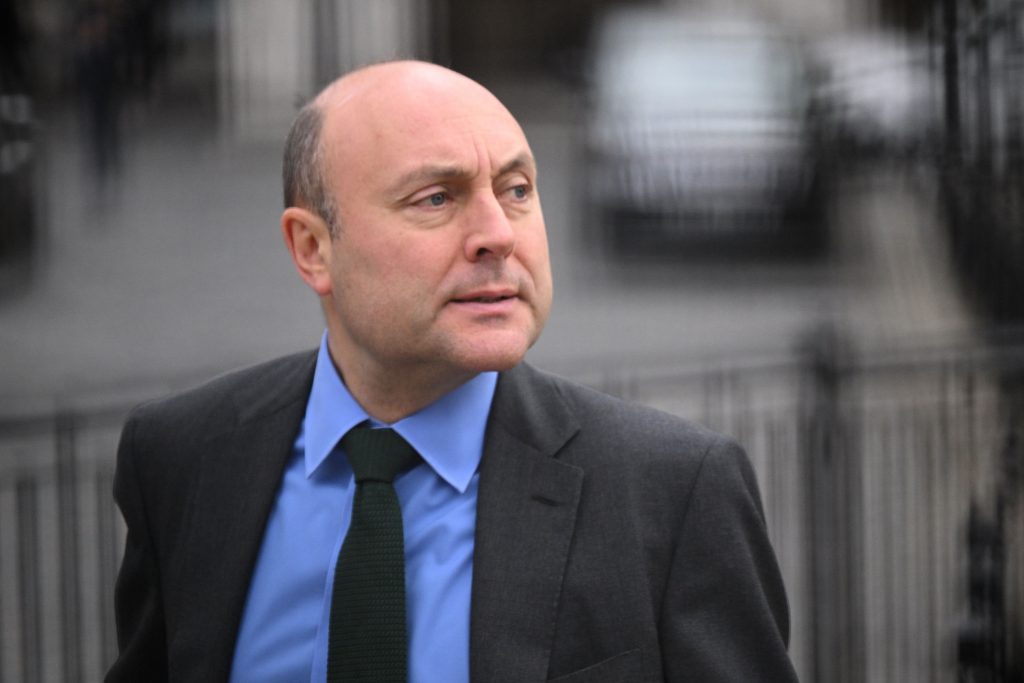
The Diary: Andrew Griffith MP

Mace | May 16, 2022

The director of Number 10's Policy Unit tells us about his return to Downing Street
United we stand

Niklas Nováky | May 12, 2022

Russia’s war against Ukraine has provoked a strategic reawakening throughout Europe

The next elections of 2022

François Valentin | May 11, 2022

Important elections are happening around the globe and whilst ideological politics may be dying, polarisation is not

Nostalgia and pragmatism

Todd Buell | May 10, 2022

We have to balance a nostalgic desire to hold on to the past with the realities of the future

Ukraine and Eurovision: an interwoven history

Isis Menteth Wheelwright | May 10, 2022

How Ukraine’s post-Soviet history has played out on the set of the Eurovision Song Contest

Decorating the metaverse

Lucy Kenningham | May 9, 2022

The world of NFT art isn’t just about individual artists selling work to crypto nerds. As big brands get involved, there’s money to be made and kudos to

Hostages to history

John Kampfner | May 6, 2022

The Russian invasion of Ukraine has forced Germany to reconsider the penance it has paid to its past – and, unwittingly, to Putin