Erskine

Bernard Jenkin | Issue 5 | Magazine, Uncategorised

From the Archive

TheChamber

The Scottish draft Bill on gender recognition throws up uncertainties and would weaken women’s sex-based rights in the UK. Political dialogue is urgently needed

When the Labour government retained equal opportunities as a reserved power in the Scotland Act 1998, I was opposition constitutional affairs spokesman. I supported this on the grounds that the “imposition of draconian anti-discrimination laws has to be handled with great care, because it is all too easy to substitute one type of intolerance of minorities for another”. Holyrood, the Scottish parliament, now threatens to undermine this principle. The draft Gender Recognition Reform (Scotland) Bill would weaken women’s sex-based rights across the UK.  Devolved powers are legislative powers that the UK Parliament controlled in the past, but are now devolved to the legislatures in Scotland, Northern Ireland and Wales. These include matters such as education and health. Reserved powers, as specified in the Scotland Act, for example, remain exclusively with the UK Parliament in Westminster.   Human rights are a devolved competence. The powers to pass a gender recognition act are therefore no...

Subscribe to The Mace

Join the member community shaping British politics and stay ahead of what's really happening in the world of politics and public affairs, with expert analysis, breaking news, and insider insights from Westminster and Brussels. The Mace is the leading news source and resource for the government affairs industry, offering required reading and lobby intelligence for professionals.

To see what you are missing out on by not subscribing to The Mace, click here to download our full membership info-pack. This includes having no paywall on op-ed content or profiles/interviews, allowing professional profiles to be read with maximum impact and visibility by government, special advisers, MPs, peers, civil servants, and policy and political decision-makers.


EU Enlargement: Montenegro’s accession is a milestone for the future of Europe

Rade Vujacic | December 14, 2022

After a decade of negotiations, citizens must now secure Montenegro’s path to EU membership

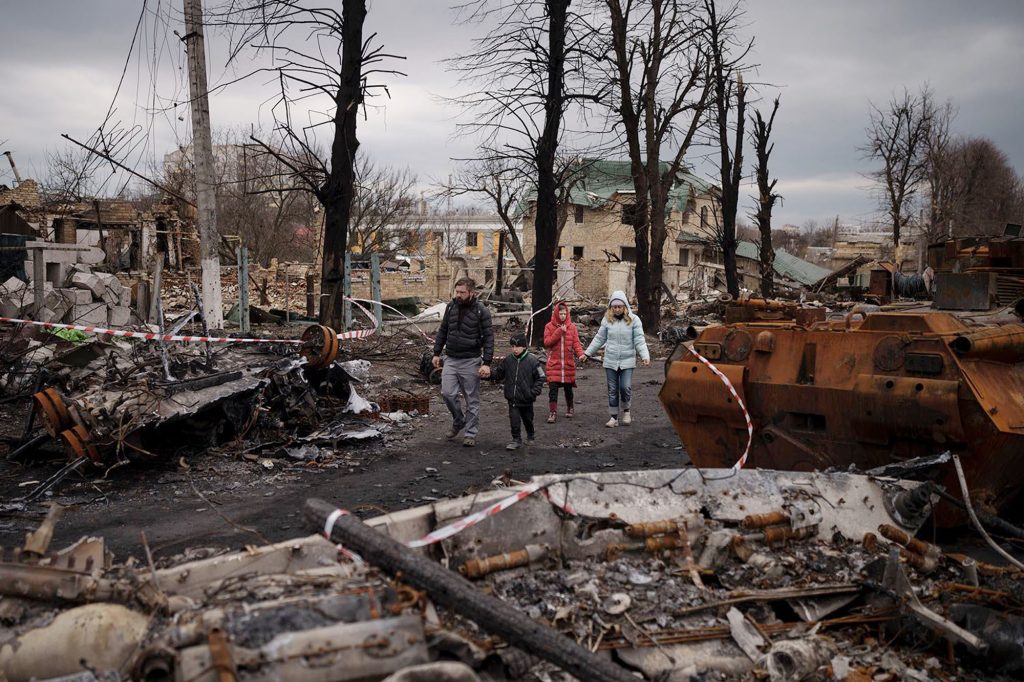
Sports is a Mental Recovery Mechanism for Ukrainian Children Fleeing War

Mace | December 5, 2022

Exercise has long been understood by psychologists as one of the most powerful tools for mental health improvement.

Relations with Post-War Russia; a Mirror for Europe?

Szabolcs Szalay | November 29, 2022

Foreign policy planning has never been the strong asset of the European Union

We can force Putin pay for Ukraine’s reconstruction

Mace | November 20, 2022

The New Lines Institute, a leading US Foreign Policy think tank, presented at the roundtable event the framework by which Russian funds already frozen by several Western Nations
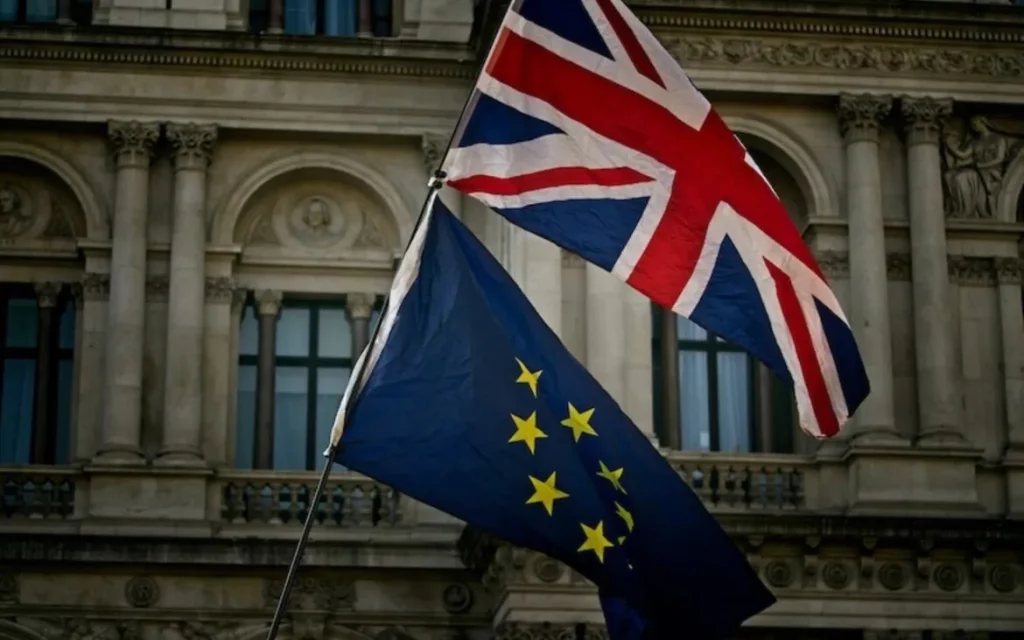
The E.U. Should Follow the U.K.’s Model on Due Diligence

Michiel Hoogeveen | November 10, 2022

The U.K.’s current political and economic turmoil offers a model that no one on the continent would wish to follow right now – but its Due Diligence system,
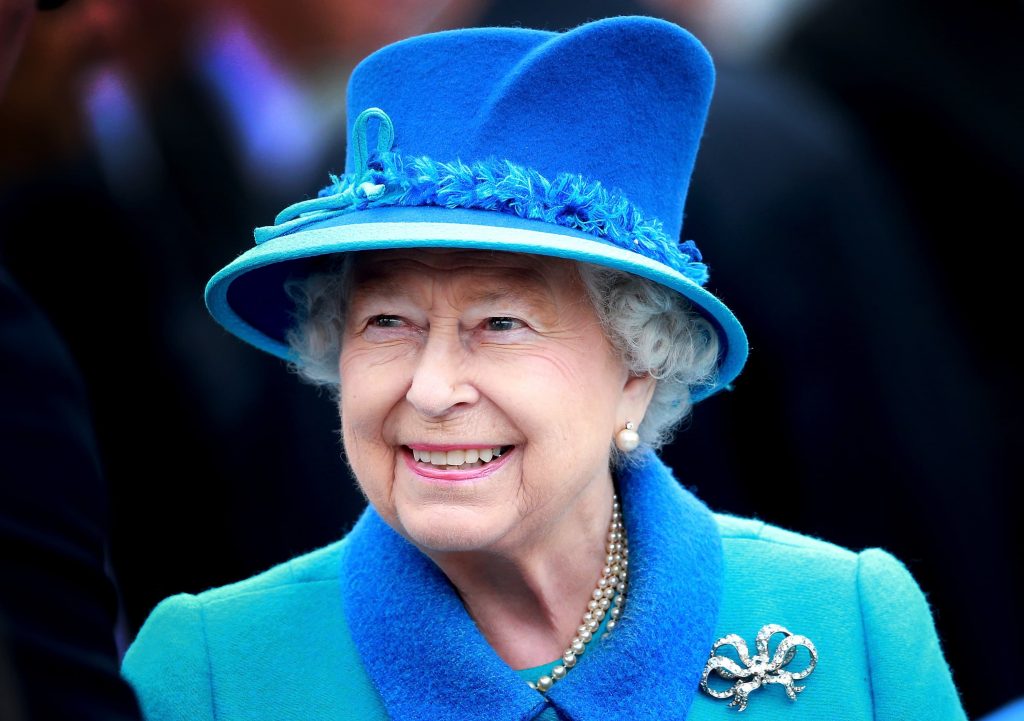
A Monarch’s death

Mace | September 13, 2022

The Queens death prompts Mark Jenkins to take a look at the theological implications of a coronation.
In Tackling Rising Food and Cost of Living Prices, the EU Finds an Unlikely Ally

Mace | August 11, 2022

As a result of the war in Ukraine,  Europe, and the world, are facing unprecedented inflationary surges, cost of living and food security crises.
Why BBC Parliament needs saving

Noah Keate | June 24, 2022

The channel that piqued my interest in politics could reduce youth disengagement - if given a chance

Collecting the evidence of genocide

Azeem Ibrahim | June 22, 2022

How the New Lines Institute has ascertained that Russia’s war on Ukraine crosses the tolerable moral boundaries of warfare
There’s a femtech revolution and the UK is leading it

Mace | June 17, 2022

Professor Asif Ahmed tells Mace how he's leading the charge for developing new medicines to treat pre-eclampsia