Erskine

Bernard Jenkin | Issue 5 | Magazine, Uncategorised

From the Archive

TheChamber

The Scottish draft Bill on gender recognition throws up uncertainties and would weaken women’s sex-based rights in the UK. Political dialogue is urgently needed

When the Labour government retained equal opportunities as a reserved power in the Scotland Act 1998, I was opposition constitutional affairs spokesman. I supported this on the grounds that the “imposition of draconian anti-discrimination laws has to be handled with great care, because it is all too easy to substitute one type of intolerance of minorities for another”. Holyrood, the Scottish parliament, now threatens to undermine this principle. The draft Gender Recognition Reform (Scotland) Bill would weaken women’s sex-based rights across the UK.  Devolved powers are legislative powers that the UK Parliament controlled in the past, but are now devolved to the legislatures in Scotland, Northern Ireland and Wales. These include matters such as education and health. Reserved powers, as specified in the Scotland Act, for example, remain exclusively with the UK Parliament in Westminster.   Human rights are a devolved competence. The powers to pass a gender recognition act are therefore no...

Subscribe to The Mace

Join the member community shaping British politics and stay ahead of what's really happening in the world of politics and public affairs, with expert analysis, breaking news, and insider insights from Westminster and Brussels. The Mace is the leading news source and resource for the government affairs industry, offering required reading and lobby intelligence for professionals.

To see what you are missing out on by not subscribing to The Mace, click here to download our full membership info-pack. This includes having no paywall on op-ed content or profiles/interviews, allowing professional profiles to be read with maximum impact and visibility by government, special advisers, MPs, peers, civil servants, and policy and political decision-makers.


Ukraine and Eurovision: an interwoven history

Isis Menteth Wheelwright | May 10, 2022

How Ukraine’s post-Soviet history has played out on the set of the Eurovision Song Contest

Decorating the metaverse

Lucy Kenningham | May 9, 2022

The world of NFT art isn’t just about individual artists selling work to crypto nerds. As big brands get involved, there’s money to be made and kudos to

Hostages to history

John Kampfner | May 6, 2022

The Russian invasion of Ukraine has forced Germany to reconsider the penance it has paid to its past – and, unwittingly, to Putin

The shape of things to come

Naweed Khan | May 5, 2022

Naweed Khan hears from Future Shape’s tech guru Tony Fadell how skills honed in Silicon Valley can solve the climate crisis

A nation divided

John Curtice | May 4, 2022

Complex circumstances mean the 2022 local elections are unlikely to deliver the definitive coup de grace some are hoping for

What actually matters to voters?

Lucy Kenningham | May 1, 2022

It's the economy, stupid!

The communications dilemma of PartyGate

Giles Kenningham | April 24, 2022

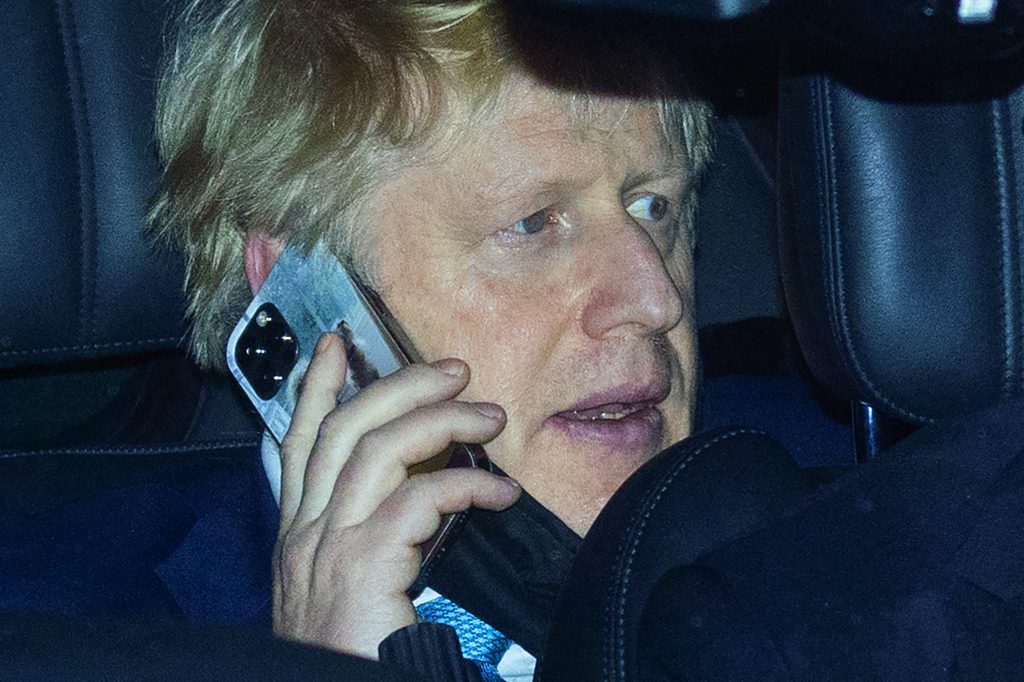
David Cameron's former Head of Press at No 10 recalls the vital and prescient lessons of 2011's phone hacking scandal
P&O ‘crisis’ requires a steady hand on the tiller

Roger Green | April 16, 2022

The restructuring at P&O ferries is an unfortunate but inevitable consequence of a wider storm in the sector

Are our freedoms under threat?

David Campbell Banermann | March 22, 2022

Tearing down statues is just one manifestation of a direct attack on our values, institutions and shared history

Mozambique’s trial of the century

Ray Mwareya and Ashley Simango | March 4, 2022

A $2bn case is ongoing, but it won´t slay any high-profile culprits