United we stand

Niklas Nováky | 12th May 2022 | Comment, Magazine
Screenshot 2022-05-12 at 16.06.26

Russia’s war against Ukraine has provoked a strategic reawakening throughout Europe

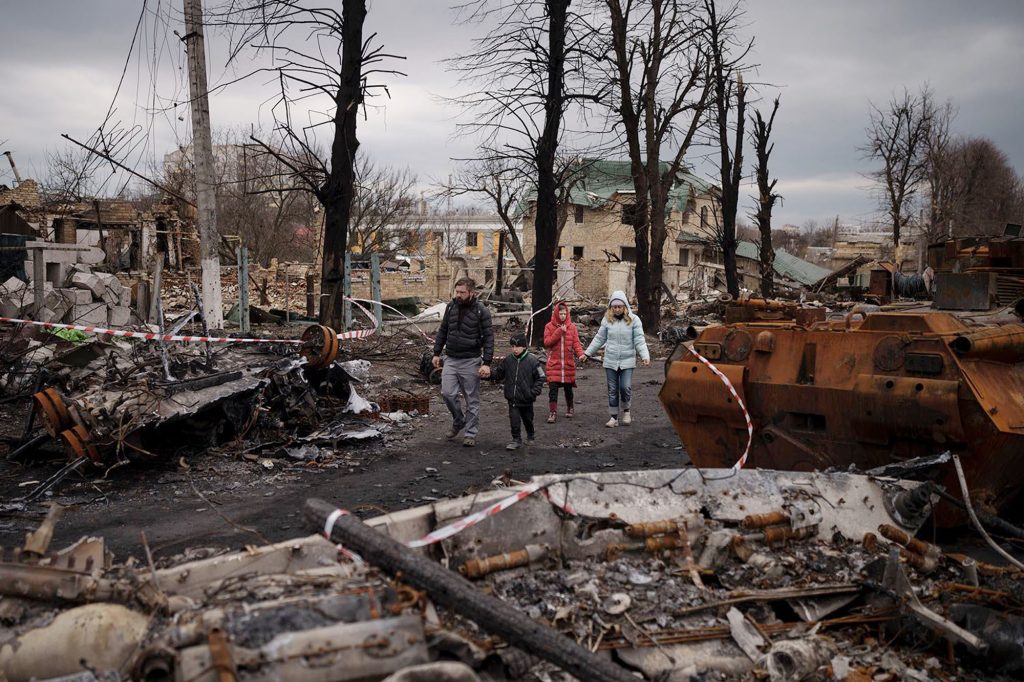
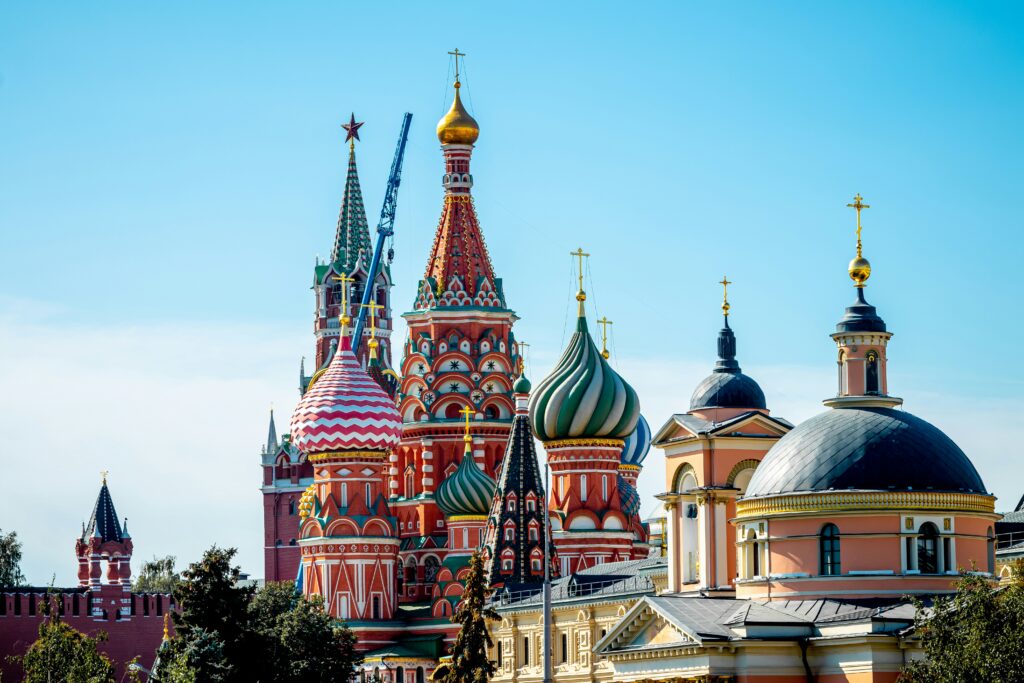
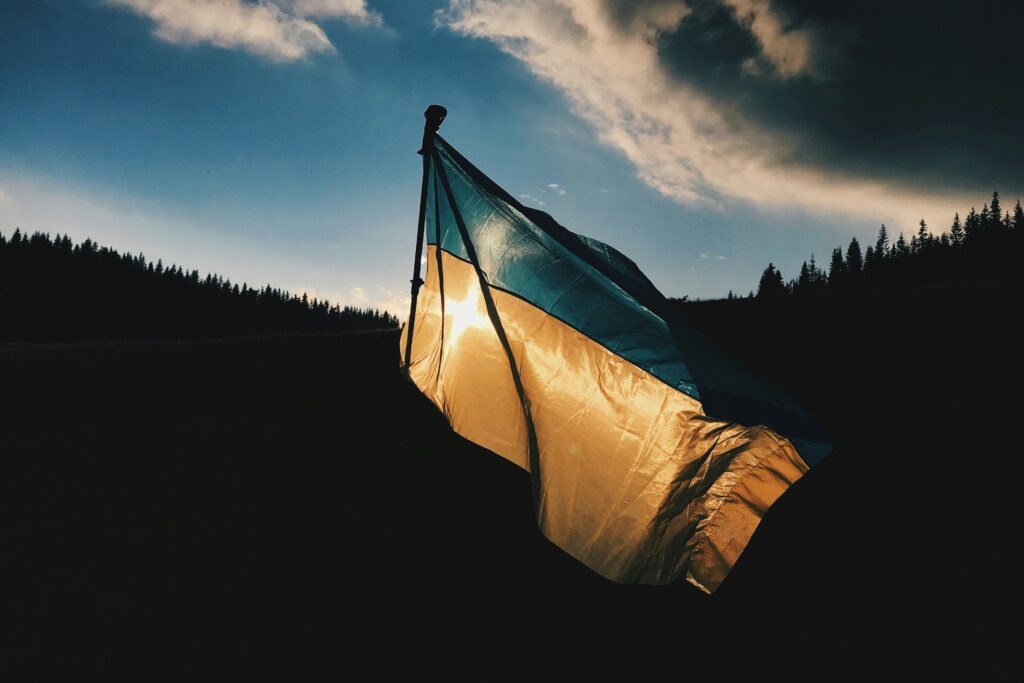
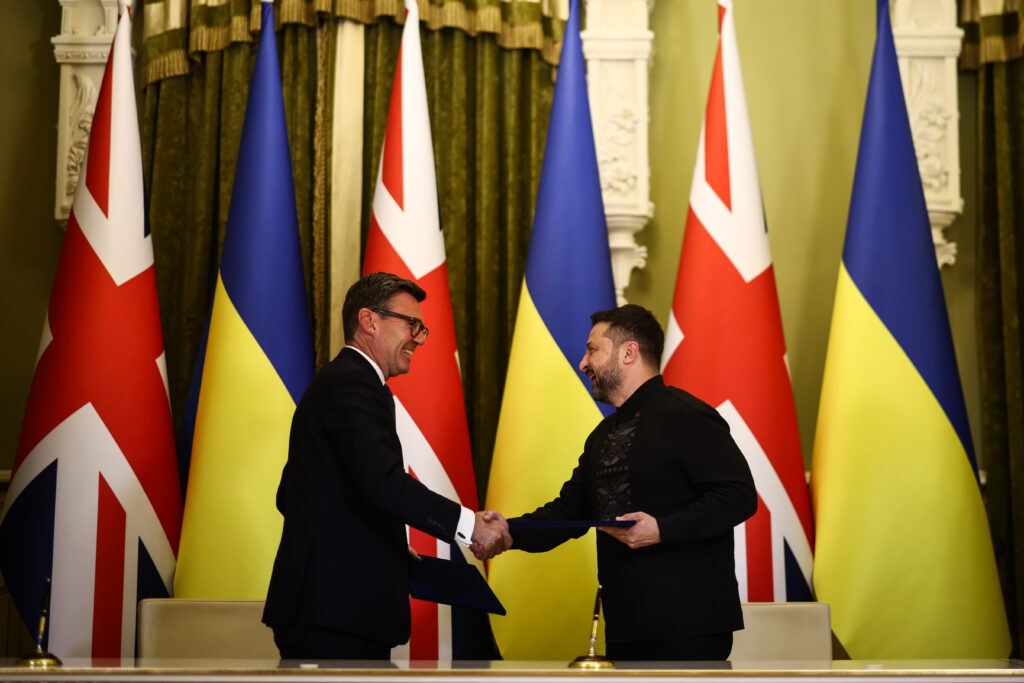
Russia’s willingness to go to war in Ukraine surprised the West. The West’s response, though, likely surprised Russia. The continent’s reaction has been remarkably different to previous instances of Russian aggression. Since the end of the Cold War, Europe has tended to struggle to reach a common view on how to handle the Eastern giant. Its response has often been limited to strongly worded statements and the adoption of sanctions. Not this time. Europe’s response to the war has been uncharacteristically strong and united. Its main bloc, the EU, has agreed on massive sanctions and other restrictive measures on Russia, such as excluding several Russian and Belarusian banks from the Swift international payment system, banning Russian airlines from using the EU’s airspace and airports and suspending the broadcasting activities in the EU of Russian state-backed media outlets. The EU has also agreed to provide Ukraine with a €450m financial support package through the ironically named European Peace Facility for the acquisition of lethal equipment and capabilities to help Ukraine defend its sovereignty. This is the first-time in history that the EU has agreed to provide lethal aid to a country fighting a war. It marks a dramatic shift in EU security and defence cooperation, which has so far focused on low-key crisis management operations and joint capability development projects. The response of individual European countries has also been admirable. Many have welcomed Ukrainian refugees and provided defensive weapons to Kyiv. The UK, for example, has delivered anti-tank missiles, small arms and other equipment to Ukraine. Poland offered to transfer its fleet of Soviet era MiG-29 fighter jets to Kyiv, although this proposal has run into US resistance. Finland and Sweden are having serious national debates about joining Nato for the first time in their history. Perhaps most strikingly, Germany has announced that it will increase its defence spending by €100bn, and that it will send anti-tank and anti-aircraft missiles to Kyiv. Berlin also decided to suspend the Nord Stream 2 pipeline project with Russia, long viewed in Berlin simply as an economic rather than a geopolitical project, which would have increased Europe’s dependence on Russian natural gas. These are dramatic departures from Germany’s established semi-pacifist post-war strategy. In other words, Russia’s war against Ukraine has caused an unprecedented strategic awakening in Europe. What are the implications? First, any remaining trust that the Kremlin may have enjoyed in certain European capitals has evaporated. The Kremlin has made it clear that its words cannot be trusted and that it is prepared to use military force to achieve its goals. Europe’s threat perception vis-à-vis Moscow has become more homogeneous. Second, security and defence will remain on Europe’s agenda for years to come. The war has given both Nato and the EU additional incentives to develop their respective competencies and capacities to enhance their ability to protect their members and their partners. Individual European countries will also find fewer political constraints to increasing their defence spending and boosting their national capacities, as Germany has already shown. Third, the EU will be seen as a more credible security provider by its members. The way in which the Union has mobilised to support Ukraine also strengthens the EU’s internal crisis support and solidarity commitments such as Article 42(7) of the mutual aid and assistance clause of the Lisbon Treaty. If the EU can provide lethal assistance to a third country, chances are that its response would be even stronger if one of its own members were attacked. Fourth, the EU’s value as a security provider will also increase in the eyes of its partners. This applies not only to countries in the Union’s neighbourhood but also to those further away such as in the Indo-Pacific, where the EU is seeking to play a more visible maritime security role. The UK and the EU will surely become closer. UK Foreign Secretary Liz Truss already participated in an EU foreign ministerial meeting in March, which suggests that at least some of the Brexit-related political obstacles may be being pushed aside.  Dr. Niklas Nováky is a Senior Research Officer at the Wilfried Martens Centre for European Studies...

Subscribe to The Mace

Join the member community shaping British politics and stay ahead of what's really happening in the world of politics and public affairs, with expert analysis, breaking news, and insider insights from Westminster and Brussels. The Mace is the leading news source and resource for the government affairs industry, offering required reading and lobby intelligence for professionals.

To see what you are missing out on by not subscribing to The Mace, click here to download our full membership info-pack. This includes having no paywall on op-ed content or profiles/interviews, allowing professional profiles to be read with maximum impact and visibility by government, special advisers, MPs, peers, civil servants, and policy and political decision-makers.

Dame Antonia’s key civil service reforms are ready to be supported by Whitehall, says Jonathan Freeman

Mace | August 1, 2026

The Civil Service is ready to support Dame Antonia Romeo's flagship changes to government machinery - notably relating to AI and devolution - under new prime minister Andy

Burnham is trying to fix Whitehall, but will the political machinery change?

Mace | July 30, 2026

Andy Burnham is shaking up government with more changes than by any incoming prime minister in memory. But, asks Sir Bernard Jenkin MP, does he understand why the

Experts warn more government support needed to help UK aviation meet net zero by 2050

Mace | July 30, 2026

UK aviation can decarbonise while meeting growth ambitions, but urgent government action is needed to prevent costs increasing for passengers and the sector losing its competitive edge.

Don’t rule out an early election as Burnham may see an opportunity to kick Reform, says Fred de Fossard

Fred de Fossard | July 28, 2026

With the new Prime minister championing policies which go beyond Labour’s very confined 2024 manifesto, an early election is not illogical.

Despite promises of radical change, Labour’s culture of ruling political families remains entrenched

Lucy Carrier-Pilkington | July 28, 2026

Andy Burnham's inner circle appears to perpetuate Labour's long-running culture of nepotism, and is doomed to cause frustration among backbenchers.

Kemi’s true blue purge, with help from Sir Philip May

William Cash | July 26, 2026

The news that former Home Secretary Sir Grant Shapps has failed to make the new Tory candidate list has put fear into dozens of former Conservative MPs. Whether

Why Burnham’s energy VAT cut will make a difference

Mace Magazine | July 25, 2026

Cameron Brown, a former special advisor to the Chancellor of the Exchequer, explains why Burnham's VAT cut on energy bills is a measure people will actually notice.

If Burnham wants growth, he must start by backing AI and Tech founders and risk-takers, says Liam Houghton

Mace | July 23, 2026

New Prime Minister Andy Burnham has an opportunity to make Britain the best place to start and scale a business, argues CEO Liam Houghton.

The continuing political Whydunnit of the murder of Ann Widdecombe

Mace Magazine | July 23, 2026

The strangely guilty way that the media, and some politicians have reacted to Widdecombe’s shocking death shows the double standards that can operate when a politician of the

What James Purnell’s return to No 10, along with the new cabinet, reveals about Burnham’s Labour network

Mark Leftly | July 21, 2026

James Purnell’s return to frontline politics is more than a nostalgic Blair-Brown era reunion. As Andy Burnham builds his Downing Street operation, public affairs professionals will need to