Biden, Putin, and the Danger of Shaking Hands

Robert Tyler | 25th June 2021 | Uncategorised

At the Geneva Summit, the American President ignored warnings not to shake his Russian counterpart’s hand. In doing so, he reflected a wider trend in which the West shuts its eyes to Russian aggressions, blocking out decades of sound advice coming from Eastern and Central Europe.

Over the course of the last year, people have been discouraged from shaking hands. Public health authorities have warned that the ancient gesture, which is supposed to demonstrate that two individuals are unarmed when they approach each other, have discouraged people on the basis that it bears a risk of transmitting the Coronavirus pathogen.  Ahead of his meeting with Russian President Vladimir Putin, Joe Biden was given a different warning about shaking hands – that it would be a sign of acceptance of the status quo. The warning came from none other than Mikhail Khodorkovsky – the Russian businessman who has been living in exile in the west for the last decade.  In a widely-shared Twitter thread, Mr Khodorkovsky warned that unless President Biden set out clear boundaries in the negotiations, there would be severe consequences for the West. “Failing to do so would maintain the status quo of handshake politics, serving just to soothe Putin's ego.”  The warning, unfortunately, fell on mo...

Subscribe to The Mace

Join the member community shaping British politics and stay ahead of what's really happening in the world of politics and public affairs, with expert analysis, breaking news, and insider insights from Westminster and Brussels. The Mace is the leading news source and resource for the government affairs industry, offering required reading and lobby intelligence for professionals.

To see what you are missing out on by not subscribing to The Mace, click here to download our full membership info-pack. This includes having no paywall on op-ed content or profiles/interviews, allowing professional profiles to be read with maximum impact and visibility by government, special advisers, MPs, peers, civil servants, and policy and political decision-makers.


Erskine

Bernard Jenkin | January 27, 2022

The Scottish draft Bill on gender recognition throws up uncertainties and would weaken women’s sex-based rights in the UK. Political dialogue is urgently needed

Misguided policy

Vincent Geerling | January 24, 2022

Poor data and fake news are damaging the international arts industry

Investments in the age of AI

Fabrice Tischhauser | January 21, 2022

Progress in technology has made it easier for investors to perceive the risks – and rewards – of the financial markets

Scholz, Putin & Boris – what does it all mean?

Ed Turner | January 5, 2022

The United Kingdom will soon feel a chillier wind blowing from the new Scholz-led government in Berlin
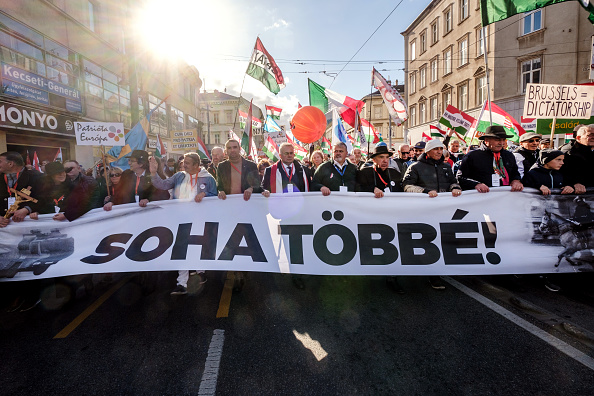
Anti-elite politics hits Hungary

Blanka Kovács | January 4, 2022

Péter Márki-Zay is an independent politician running to become prime minister. He stormed through the second round of primaries, but what are his chances of winning against Viktor
Is the Eurocracy ‘Woke’?

François Valentin and Jorge González-Gallarza | January 4, 2022

Many thought the EU was too technocratic to embrace the wave of wokeness washing over the West. They may have been proved wrong

Don’t underestimate the submarines

Dr Azeem Ibrahim | December 20, 2021

Why Aukus makes a whole lot of sense for America’s security and defence in the long term

Building blocks

Gérard Pogorel | December 20, 2021

Gérard Pogorel speaks to Thomas Dünser, the man who led Liechtenstein’s pioneering Blockchain Act, on how he is shaping a brave new financial world
Europe braces for winter

François Valentin and Jorge González-Gallarza | December 9, 2021

The EU’s ongoing energy crisis reveals how little its green transition has progressed

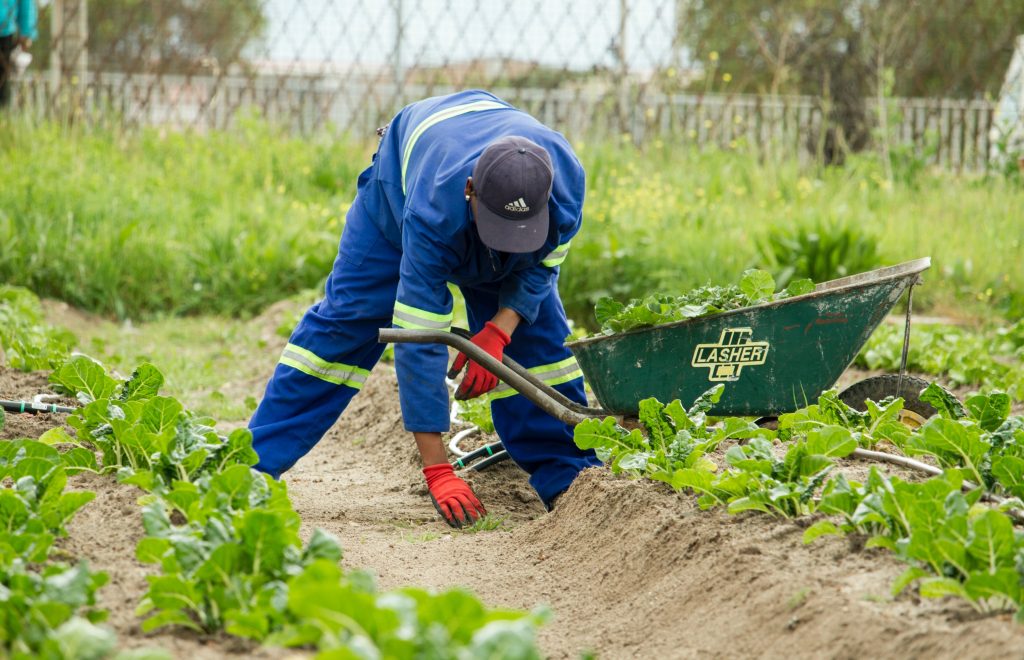
African farmers ask the EU for a localised partnership

Richard Milsom | December 6, 2021

As they stand, the EU's trading standards are an obstacle to the continent's economic success