Biden, Putin, and the Danger of Shaking Hands

Robert Tyler | 25th June 2021 | Uncategorised

At the Geneva Summit, the American President ignored warnings not to shake his Russian counterpart’s hand. In doing so, he reflected a wider trend in which the West shuts its eyes to Russian aggressions, blocking out decades of sound advice coming from Eastern and Central Europe.

Over the course of the last year, people have been discouraged from shaking hands. Public health authorities have warned that the ancient gesture, which is supposed to demonstrate that two individuals are unarmed when they approach each other, have discouraged people on the basis that it bears a risk of transmitting the Coronavirus pathogen.  Ahead of his meeting with Russian President Vladimir Putin, Joe Biden was given a different warning about shaking hands – that it would be a sign of acceptance of the status quo. The warning came from none other than Mikhail Khodorkovsky – the Russian businessman who has been living in exile in the west for the last decade.  In a widely-shared Twitter thread, Mr Khodorkovsky warned that unless President Biden set out clear boundaries in the negotiations, there would be severe consequences for the West. “Failing to do so would maintain the status quo of handshake politics, serving just to soothe Putin's ego.”  The warning, unfortunately, fell on mo...

Subscribe to The Mace

Join the member community shaping British politics and stay ahead of what's really happening in the world of politics and public affairs, with expert analysis, breaking news, and insider insights from Westminster and Brussels. The Mace is the leading news source and resource for the government affairs industry, offering required reading and lobby intelligence for professionals.

To see what you are missing out on by not subscribing to The Mace, click here to download our full membership info-pack. This includes having no paywall on op-ed content or profiles/interviews, allowing professional profiles to be read with maximum impact and visibility by government, special advisers, MPs, peers, civil servants, and policy and political decision-makers.


Mozambique’s trial of the century

Ray Mwareya and Ashley Simango | March 4, 2022

A $2bn case is ongoing, but it won´t slay any high-profile culprits

Sanctions: more complicated than they appear

Lucy Kenningham | March 3, 2022

The history of sanctions has many lessons for the government
Is Europe edging left?

François Valentin and Jorge González-Gallarza | February 4, 2022

A stunning socialist victory at Portugal’s snap election on Sunday is a boost for the centre-left in Western Europe

Long Table: Sue Hayman

Mace | February 4, 2022

The former Labour MP for Workington on her new life in the Lords
Back to the future

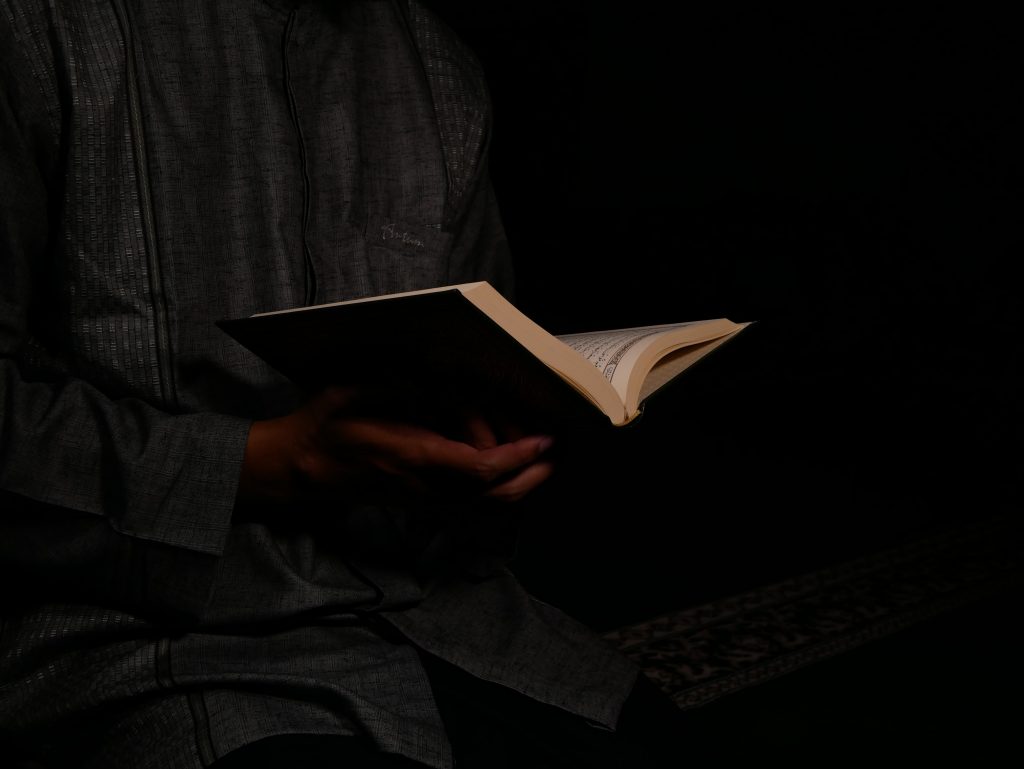
Afzal Amin | February 1, 2022

Reopening Muslim Minds: A Return to Reason, Freedom, and Tolerance. A new and erudite examination of Islamic philosophy and history by Mustafa Akyol
An MEP on: The EU-US approach to artificial intelligence

Anna-Michelle Asimakopoulou | January 31, 2022

Why the transatlantic Trade and Technology Council will play a key role in the future of AI

The bigger picture: arts under attack

Ivan Macquisten | January 31, 2022

The EU has introduced new art and antiques regulation. It raises serious questions about citizens’ rights to personal property

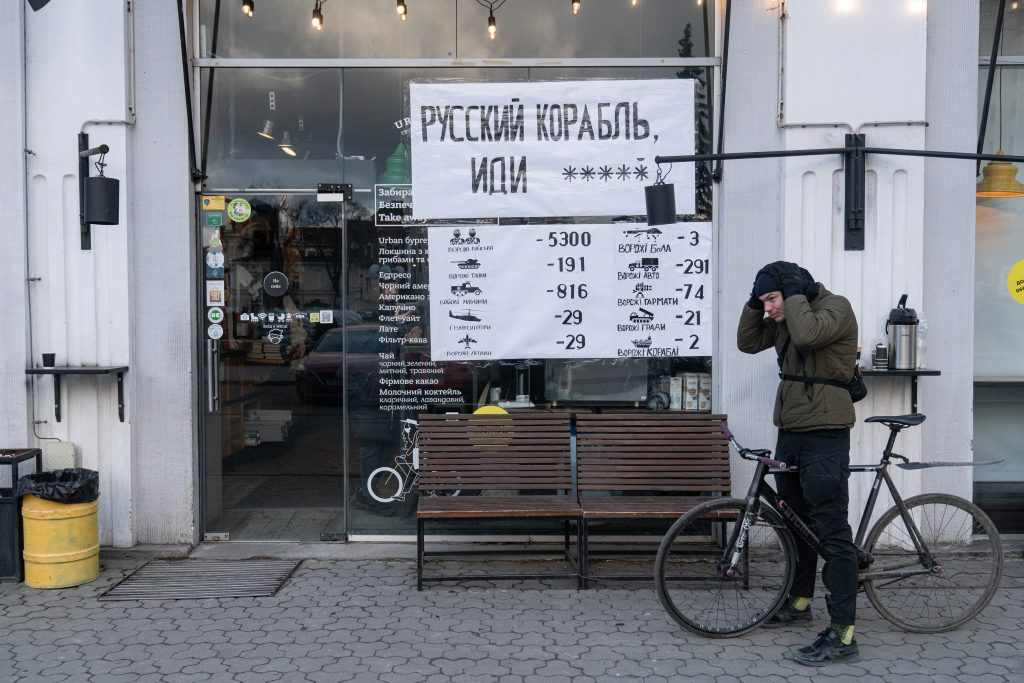
All’s not quiet on the eastern front

François Valentin and Jorge González-Gallarza | January 28, 2022

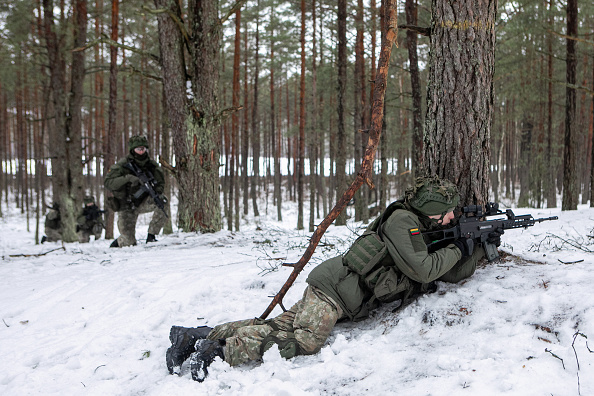
With armed conflict now a serious possibility, it would be a huge risk to call out Putin’s bluff
Dolitics: breaking the prison cycle

Dolly Theis | January 28, 2022

Criminal – or victim of poverty? It’s never a simple story

Sustaining the palm oil debate

Zuraida Kamaruddin | January 27, 2022

Palm oil has long been vilified for its unsustainability – but Malaysia’s palm oil minister Zuraida Kamaruddin thinks the industry can, and should, be saved