Ukraine and Eurovision: an interwoven history
How Ukraine’s post-Soviet history has played out on the set of the Eurovision Song Contest



Since March 2022, the UK has granted more than 286,000 visas to Ukrainians making London the destination of choice for young global talent. Anya Bryzhko explains why the UK is such a cultural magnet.
The young generation of Ukrainian entrepreneurs never had the luxury of viewing politics as a secondary matter. For them, the state is not merely background noise discussed in parliament or on television, it is a pivotal factor determining whether a company can open a bank account, protect its assets, attract investors, export services, or identify the next crisis. The full-scale war has brought this reality into sharp focus, transforming resilience from a national virtue into a business necessity.
Since March 2022, the UK has granted more than 286,000 visas under Ukraine schemes, while London remains the country’s leading international destination for young global talent, attracting 29% of non-EU international students. The growing number of Ukrainians building careers in London cannot be viewed strictly from the point of migration.
Ukraine’s entrepreneurial capacity is visible in its tech sector, digital services, creative industries and small businesses that have continued to operate even under unpredictable conditions. In 2025, Ukraine’s IT market reached $7.85bn, employing 305,000 professionals across 2,243 active IT companies, according to Ukraine’s Ministry of Digital Transformation. Its digital state has also showed how young people are getting used to progress: more than 23 million Ukrainians use Diia, the national e-government platform. Yet talent alone does not build companies. War risk, bureaucracy and security threats still shape the environment around every founder.
Ukraine has produced a highly adaptive generation because it had no alternative. The question is where that adaptability can best become scale. For a Ukrainian founder, registering or developing a company in London can make a business more legible to investors, clients and partners. The capital held 538,000 VAT and/or PAYE businesses in March 2025, almost a fifth of the UK total, according to the Office for National Statistics. It also attracted 427 foreign direct investment projects in 2024–25, creating 22,932 jobs, more than any other UK regions. Around that commercial base the infrastructure founders need finance, law, media, public affairs, trade bodies, advisers and international networks.
London is where regulation, lobbying, diplomacy and capital constantly are interlinked. For Ukrainian entrepreneurs, that conversation can transform into credibility, contacts and access to markets.
A company registered or developed in London is often more legible to clients, partners and investors than one operating from a market in the conditions of war. Companies House gives founders access to a transparent corporate register, with 5.48 million companies on the UK register by March 2026. The City of London alone generates £109bn in annual economic output and supports 676,000 workers, placing founders close to finance, legal advice and professional services.
Other cities chosen by Ukrainians – Warsaw, Berlin, Prague or Manchester – may offer lower costs or proximity, but London provides credibility at global scale. ONS survey data from the early Ukraine visa schemes found that 31% of respondents were living in London, making the capital a natural centre of gravity for those seeking not only safety, but access.
Ukrainians who came under UK Ukraine schemes can apply for further permission through the Ukraine Permission Extension route, while founder-led companies can also think about the Innovator Founder visa, which allows applicants to set up and run one or more businesses. Once in the UK, the rules of company formation are clear: a limited company can be registered through Companies House, with a UK registered office, SIC code and public corporate record. Banking is also structured by regulation. The FCA requires providers to publish information about personal and business current accounts, while FSCS protection covers eligible company deposits up to £120,000 per authorised firm.
Public procurement is searchable through Contracts Finder and Find a Tender, giving firms visibility over government opportunities. Sanctions policy matters too: UK Russia sanctions restrict financial, trade and professional services links with Russia, shaping safer commercial routes for Ukrainian-linked businesses. UK–Ukraine relations are institutionalised through DBT support and the Strategic Dialogue, connecting
trade, reconstruction, energy, science and security.
If the UK wants to be a serious partner in Ukraine’s reconstruction, it should see young Ukrainian entrepreneurs as more than refugees, students or temporary migrants. They are future commercial bridges between London and Kyiv: familiar with Ukrainian resilience, British institutions and the language of international markets. Their success will depend not only on individual ambition, but on access to mentoring, finance, legal guidance and business development platforms. This is where government, universities, trade bodies, investors and public affairs networks can act.
Young Ukrainians are not choosing London because Ukraine lacks ambition. They are choosing London because ambition needs institutions. The future of Ukraine’s economy may partly be built by those who learn to operate internationally, then reconnect that capital, knowledge and credibility back to Ukraine. London can become a bridge into reconstruction. For this generation, the question is not where Ukrainian business belongs, but how far it can travel and still remain Ukrainian.
How Ukraine’s post-Soviet history has played out on the set of the Eurovision Song Contest
The Russian invasion of Ukraine has forced Germany to reconsider the penance it has paid to its past – and, unwittingly, to Putin

Finnish Ambassador to the UK Jukka Siukosaari reveals the Finnish insight on Russia and speculates on how the conflict will end
There’s nothing quite like the description “animal lover” to engender good will towards politicians
A new collection by Bruno Maçães foresees China’s dominance over the West
Propaganda against the market continues to grow, and with it increasing pressure to restrict its activities

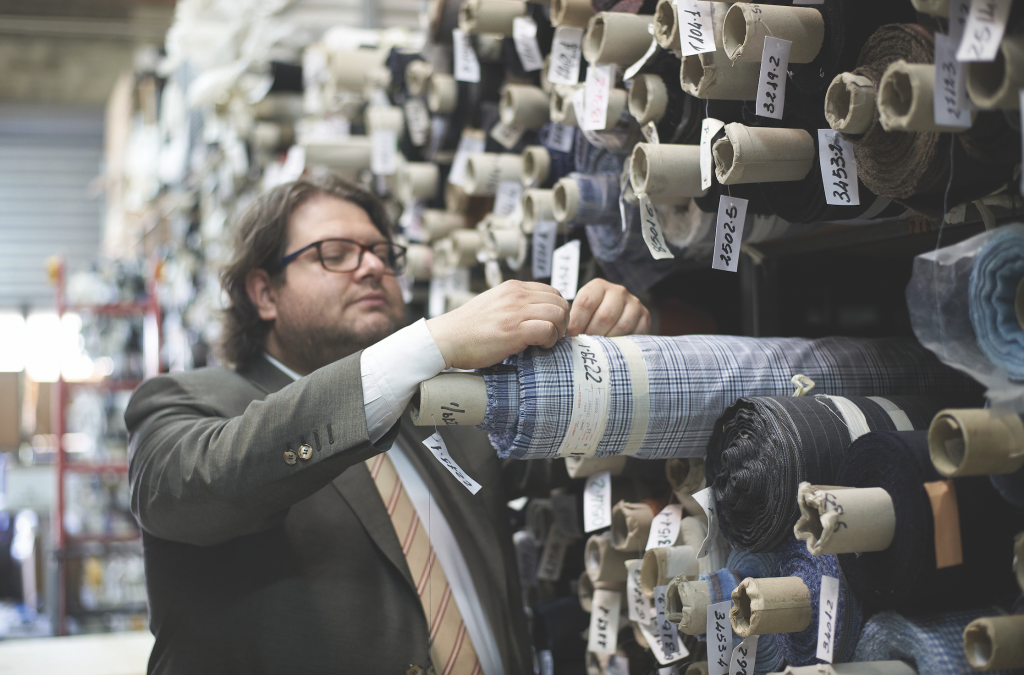
Nicola Martorana is the discreet Sicilian tailor whose bespoke attire is worn by everyone from Michel Barnier and Pope Francis to the lobbyists and lawyers of Brussels
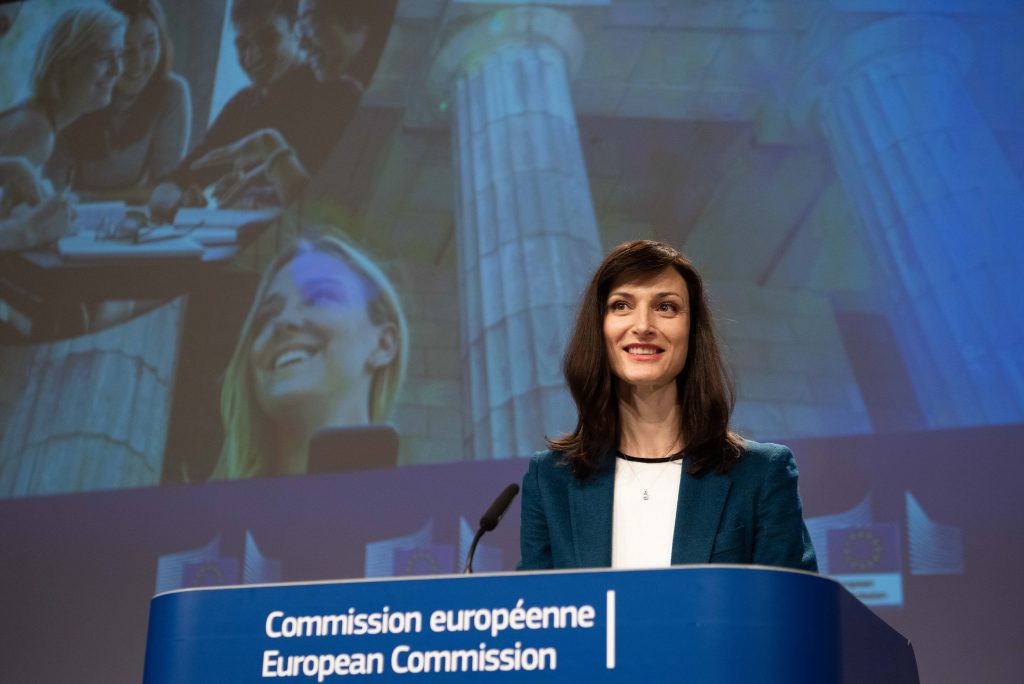
Why is a new European initiative drawing inspiration from a century-old German art school movement?
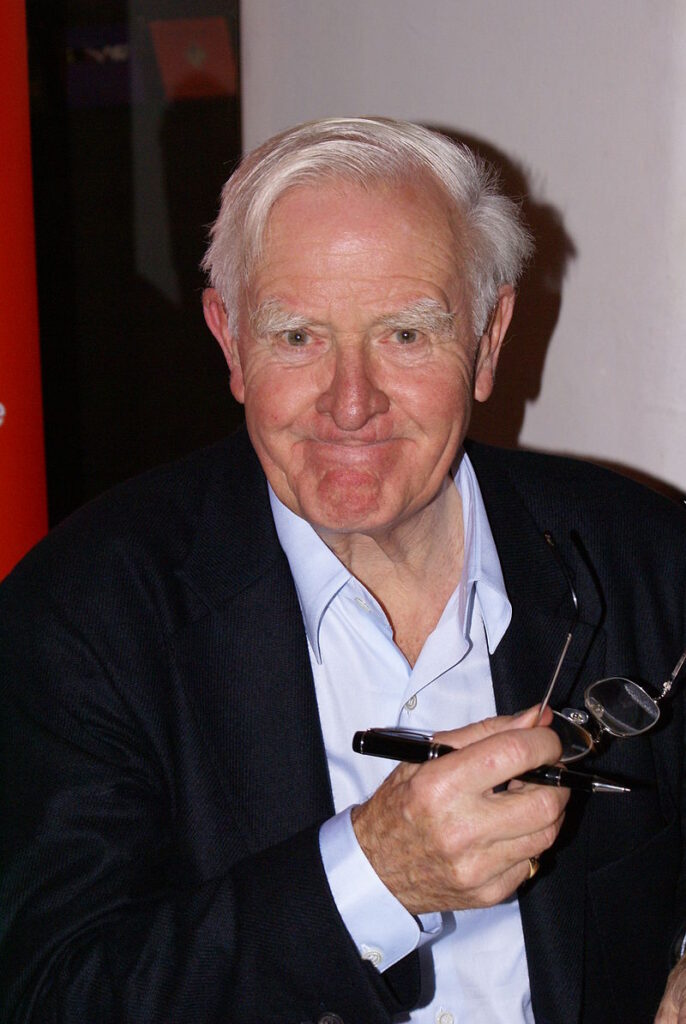
British espionage writer John le Carré has died aged 89. William Cash reflects on his legacy
Fashion can make or break in Westminster, says former aide to Jeremy Corbyn Frances Leach