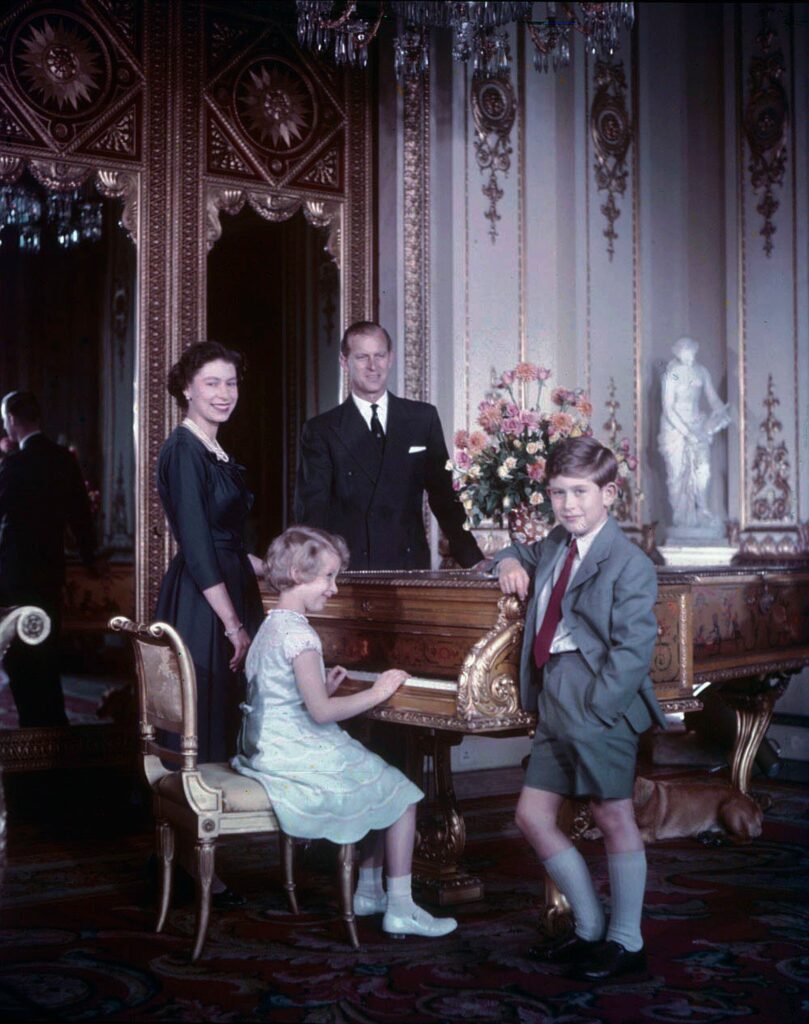
Racing the sunset: a pilgrim odyssey across a dying Europe
For 10 months, ex-army officer James Jeffrey trekked 3500 km across Europe by foot. The scale of migration he witnessed may not have been as dramatic as the
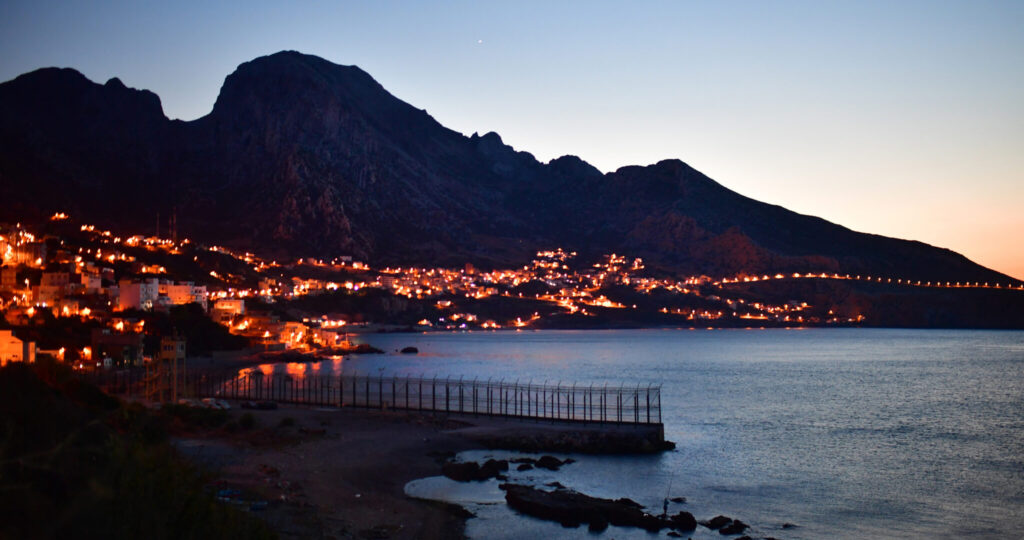

Since March 2022, the UK has granted more than 286,000 visas to Ukrainians making London the destination of choice for young global talent. Anya Bryzhko explains why the UK is such a cultural magnet.
The young generation of Ukrainian entrepreneurs never had the luxury of viewing politics as a secondary matter. For them, the state is not merely background noise discussed in parliament or on television, it is a pivotal factor determining whether a company can open a bank account, protect its assets, attract investors, export services, or identify the next crisis. The full-scale war has brought this reality into sharp focus, transforming resilience from a national virtue into a business necessity.
Since March 2022, the UK has granted more than 286,000 visas under Ukraine schemes, while London remains the country’s leading international destination for young global talent, attracting 29% of non-EU international students. The growing number of Ukrainians building careers in London cannot be viewed strictly from the point of migration.
Ukraine’s entrepreneurial capacity is visible in its tech sector, digital services, creative industries and small businesses that have continued to operate even under unpredictable conditions. In 2025, Ukraine’s IT market reached $7.85bn, employing 305,000 professionals across 2,243 active IT companies, according to Ukraine’s Ministry of Digital Transformation. Its digital state has also showed how young people are getting used to progress: more than 23 million Ukrainians use Diia, the national e-government platform. Yet talent alone does not build companies. War risk, bureaucracy and security threats still shape the environment around every founder.
Ukraine has produced a highly adaptive generation because it had no alternative. The question is where that adaptability can best become scale. For a Ukrainian founder, registering or developing a company in London can make a business more legible to investors, clients and partners. The capital held 538,000 VAT and/or PAYE businesses in March 2025, almost a fifth of the UK total, according to the Office for National Statistics. It also attracted 427 foreign direct investment projects in 2024–25, creating 22,932 jobs, more than any other UK regions. Around that commercial base the infrastructure founders need finance, law, media, public affairs, trade bodies, advisers and international networks.
London is where regulation, lobbying, diplomacy and capital constantly are interlinked. For Ukrainian entrepreneurs, that conversation can transform into credibility, contacts and access to markets.
A company registered or developed in London is often more legible to clients, partners and investors than one operating from a market in the conditions of war. Companies House gives founders access to a transparent corporate register, with 5.48 million companies on the UK register by March 2026. The City of London alone generates £109bn in annual economic output and supports 676,000 workers, placing founders close to finance, legal advice and professional services.
Other cities chosen by Ukrainians – Warsaw, Berlin, Prague or Manchester – may offer lower costs or proximity, but London provides credibility at global scale. ONS survey data from the early Ukraine visa schemes found that 31% of respondents were living in London, making the capital a natural centre of gravity for those seeking not only safety, but access.
Ukrainians who came under UK Ukraine schemes can apply for further permission through the Ukraine Permission Extension route, while founder-led companies can also think about the Innovator Founder visa, which allows applicants to set up and run one or more businesses. Once in the UK, the rules of company formation are clear: a limited company can be registered through Companies House, with a UK registered office, SIC code and public corporate record. Banking is also structured by regulation. The FCA requires providers to publish information about personal and business current accounts, while FSCS protection covers eligible company deposits up to £120,000 per authorised firm.
Public procurement is searchable through Contracts Finder and Find a Tender, giving firms visibility over government opportunities. Sanctions policy matters too: UK Russia sanctions restrict financial, trade and professional services links with Russia, shaping safer commercial routes for Ukrainian-linked businesses. UK–Ukraine relations are institutionalised through DBT support and the Strategic Dialogue, connecting
trade, reconstruction, energy, science and security.
If the UK wants to be a serious partner in Ukraine’s reconstruction, it should see young Ukrainian entrepreneurs as more than refugees, students or temporary migrants. They are future commercial bridges between London and Kyiv: familiar with Ukrainian resilience, British institutions and the language of international markets. Their success will depend not only on individual ambition, but on access to mentoring, finance, legal guidance and business development platforms. This is where government, universities, trade bodies, investors and public affairs networks can act.
Young Ukrainians are not choosing London because Ukraine lacks ambition. They are choosing London because ambition needs institutions. The future of Ukraine’s economy may partly be built by those who learn to operate internationally, then reconnect that capital, knowledge and credibility back to Ukraine. London can become a bridge into reconstruction. For this generation, the question is not where Ukrainian business belongs, but how far it can travel and still remain Ukrainian.
For 10 months, ex-army officer James Jeffrey trekked 3500 km across Europe by foot. The scale of migration he witnessed may not have been as dramatic as the
UK aviation can decarbonise while meeting growth ambitions, but urgent government action is needed to prevent costs increasing for passengers and the sector losing its competitive edge.

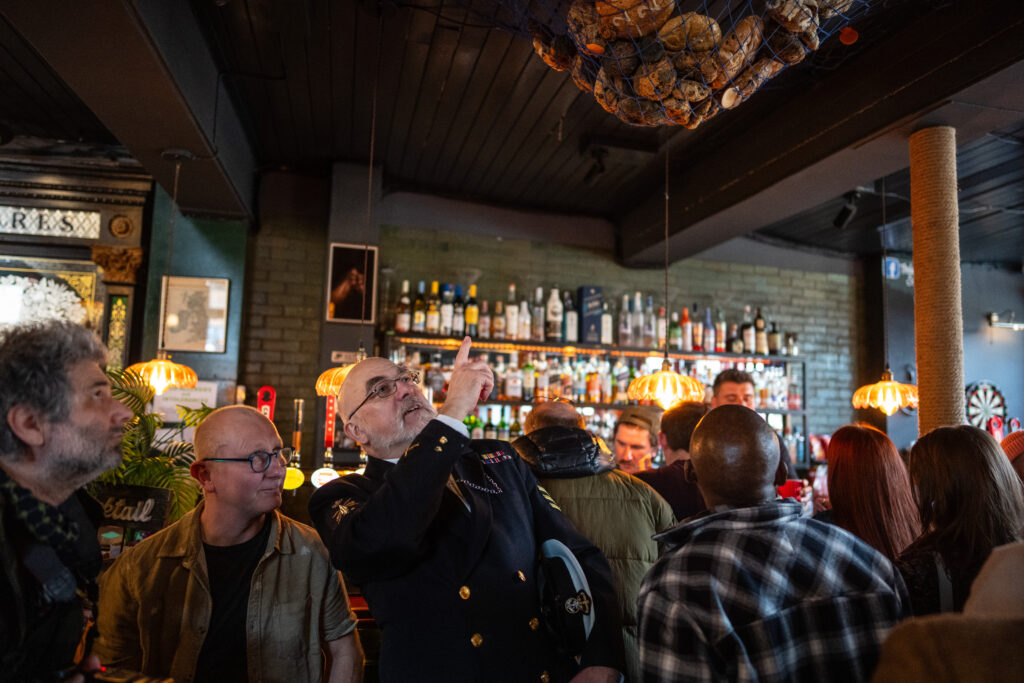
As England prepares for next Wednesday's World Cup opener, The Mace explores how the tournament could boost the pub economy.
Despite the new 5% VAT tax break for holiday attractions, tourism trade body leaders are speaking out about how government policies may not help the sector.

The status of the UK as a leading destination for business is under threat, warns CEO Clive Wratten.
With politicians and journalists returning to Fleet Street this week, a new breed of literary festival is making political debate centre-stage.

Widespread pub closures comes as troubling news for football fans who want a local venue to watch the World Cup this summer.

In her bestselling book, Sarah Vine reinvented the political wife memoir. Soon out in paperback, Melanie McDonagh sat down with the ex-wife of Michael Gove to discuss the

Trade bodies warn that biometric entry requirements will lead to massive delays for travellers

From self-lacerating memoir to by-election madness and a Labour Together takedown, The Mace’s literary editor Christopher Silvester rounds up the latest political books.