Introducing the Mace Index of Special Advisers

Peter Cardwell | 10th May 2021 | Westminster Index
Screenshot 2021-05-10 at 11.36.03

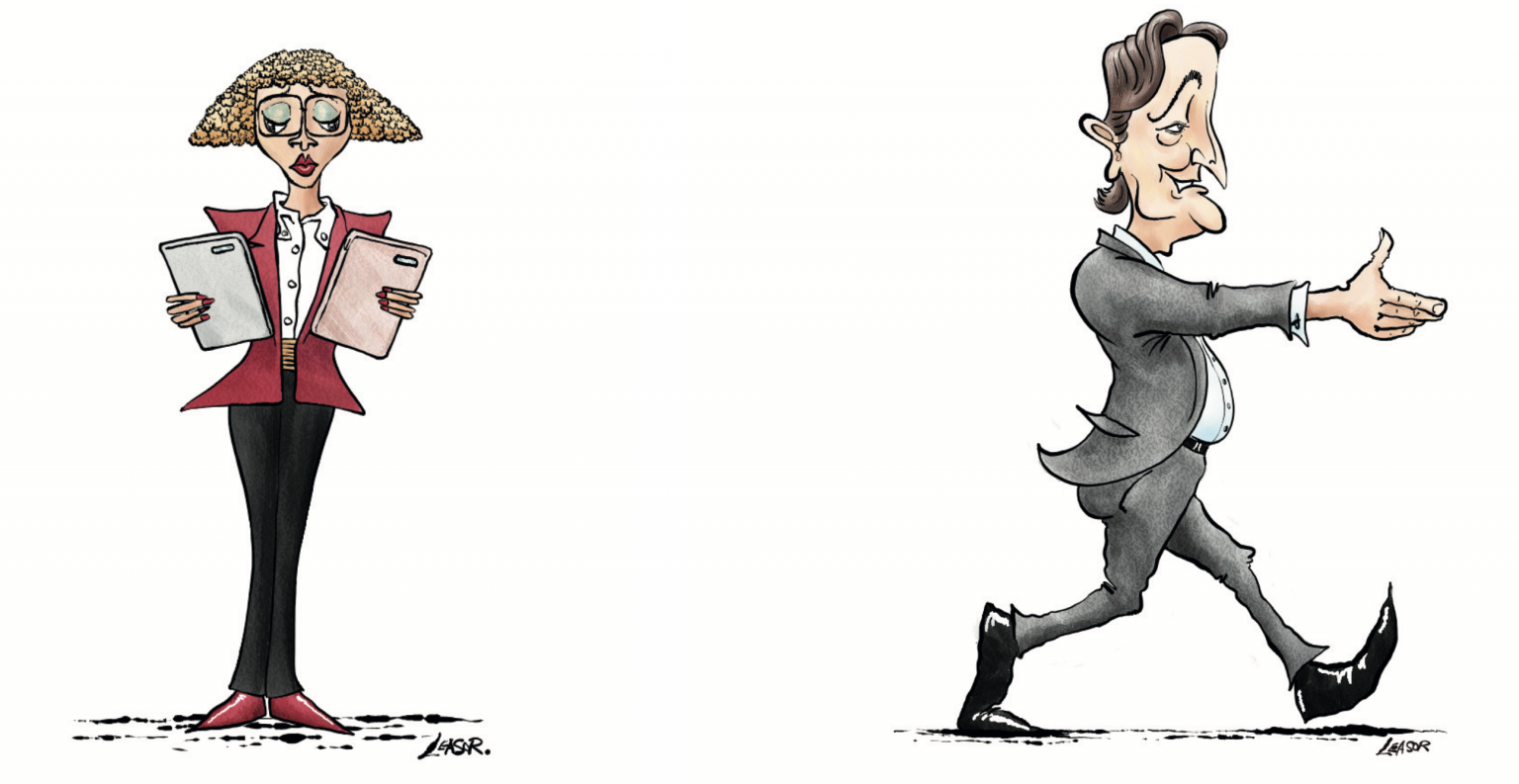
Peter Cardwell, special adviser to four cabinet ministers, introduces our exclusive survey of the Top 50 Spads across all political parties – and explains why the politico breed are here to stay

Until Dominic Cummings made clear he disapproved of the practice, special advisers – ministerial aides personally appointed by UK cabinet ministers as their political sidekicks – often worked from home on the occasional Friday. Having spent Monday to Thursday being grilled on matters of state in the gilded rooms of Whitehall and parliament, their secretary of state generally will work in their constituency on Friday, spending the day in a dingy community hall at a constituency surgery, dealing with planning, drains, passports and sewerage.

It is not yet known whether his Downing Street replacement, Dan Rosenfield, is a Spad Friday sort of adviser, expecting people in the office at all hours.

But there has been a change of regime already with the trademark 'combative' style of Cummings now being mollified under Rosenfield. The new Downing Street adviser court now has a culture that is more emollient, more technocratic and more collegiate; and probably - I speak as someone who worked for Cummings - less intensely 24/7. SPAD-U-LIKE

The life of a Spad is a life of extraordinary contrasts as ministers often deal with vastly differing matters simultaneously. I remember armed police officers guarding my main employer in government, James Brokenshire, in an airport one afternoon as we waited for a flight to Belfast, as liveried waiting staff served us tea. James leafed through official documents in his ministerial red box when his phone rang with an urgent matter. The lock on his constituency office door was broken and he needed to organise a locksmith immediately. Such is the nature of ministerial life. People who did the job I did, special adviser (the contraction “Spad” is a more recent innovation), have been a major part of political life in this country since the 1960s. Some contemporary Spads are well known to anyone who follows politics: Alastair Campbell, Damian McBride, Fiona Hill and Nick Timothy, for example. And one person, a 2020 survey by the pollsters YouGov suggests, is – or was – actually known to 40 per cent of the UK public, with a further 23 per cent at least recognising his name. He is, of course, Dominic Cummings, previously the most senior aide in Boris Johnson’s Downing Street – the man I worked alongside for six months.

That is, before he sacked me. But despite acres of newsprint devoted to Dominic, many volumes of diaries by Alastair Campbell, various insider accounts by Jonathan Powell and others, and an explosive, jaw-droppingly indiscreet tome by Damian McBride – which is the best book I have ever read about Westminster politics – what special advisers actually do from day to day is still a mystery to many.

The past decade has been a defining one for the United Kingdom, its politics and especially for the Conservative Party - moving out of opposition, into coalition government and then stand-alone Conservative governments, via four elections and two referendums. It has been a defining period, too, in terms of what it actually means to be a special adviser at the heart of Whitehall. The dynamic nature of politics has necessitated huge changes in the ways Spads operate and the level of influence they wield. Spads did not properly exist until 1964. Now, six decades later, no government can function without them. One of my bosses in government, the former home secretary Amber Rudd, once asked me which wing of the Conservative Party I am on. “Amber,” I answered, “I’m on the sunshine, lollipops and rainbows wing of the party.” Loyalty and friendship are qualities I came to value very strongly in the sometimes shark-infested waters of politics and I retain the greatest admiration for anyone, from any party, who becomes an adviser, mostly putting their life on hold for a few years in the service of what they believe to be a greater good. REGIME CHANGE So what’s the difference between the new Rosenfield era and the Cummings era? As somebody who was originally reluctant to take the role of adviser to Boris Johnson, Dominic Cummings never actually needed the title of chief of staff. That’s because he had more power than almost anyone who has ever had that role. Cummings came into government for three reasons: to secure a large majority for the Conservative Party in an election, get Brexit done and to reorganise the way the civil service interacts with the political team. The fact that he has achieved all three of these things in less than 18 months is an incredible legacy many cabinet ministers would kill for. And that is why, despite his many detractors – including many Tory MPs – he may be remembered as one the most successful special advisers in the 56 years the role has formally existed. In the end, Dominic’s demise was much more Albert Square than Downing Street. Just as when a the soap actor’s character gets killed off, the ‘reasons’ are the same – I was planning to leave anyway, I felt I had done everything I could with the character and I look forward to the exc...

Subscribe to The Mace

Join the member community shaping British politics and stay ahead of what's really happening in the world of politics and public affairs, with expert analysis, breaking news, and insider insights from Westminster and Brussels. The Mace is the leading news source and resource for the government affairs industry, offering required reading and lobby intelligence for professionals.

To see what you are missing out on by not subscribing to The Mace, click here to download our full membership info-pack. This includes having no paywall on op-ed content or profiles/interviews, allowing professional profiles to be read with maximum impact and visibility by government, special advisers, MPs, peers, civil servants, and policy and political decision-makers.

Leader in UK Public Affairs: Robert Forrester, Chief Executive, Vertu Motors plc, “Leaders need to cast a vision and hold people accountable”

Mace | August 6, 2026

Robert Forrester reflects on his achievement in helping to found a company 20 years ago that now generates £5bn in revenue and employs more than 7,500 people.

Leader in Public Affairs: David Sheen, Public Affairs Director, UKHospitality, “Take a risk, offer innovative solutions”

Mace | August 5, 2026

David Sheen pushes back against common perceptions about public affairs, but argues instead that it is about hard work, marshalling arguments, and building coalitions.

Leader in Public Affairs: Zak Viney, Campaigns and Public Affairs Coordinator, Living Streets, “Politics starts locally on the doorstep”

Mace | August 3, 2026

Living Streets’ Zak Viney speaks to The Mace about moving from engineering into advocacy, making the case for walkable streets across political divides and securing practical progress on

Leader in Public Affairs: Zara Harrington, Head of Public Affairs, Diageo – “Luck is when preparation meets opportunity”

Mace | August 3, 2026

From navigating regulation and trade policy to aligning advocacy with commercial strategy, Diageo’s Zara Harington's career in public affairs has been about understanding how political decisions translate into

The Advocate: Lucy Gilchrist, Director of Public Policy and Government Affairs, PepsiCo UKI – “Advocacy enables better policymaking”

Mace | August 2, 2026

PepsiCo UKI’s Lucy Gilchrist does some of her best policy thinking on the running machine. She tells The Mace why public affairs must turn intelligence into action, how

The Strategist: Sonia Khan, senior partner H/Advisors – “Those of us who’ve spent a good amount of time in government understand how government operates”

William Cash | July 28, 2026

As one of Westminster's most effective public affairs strategists, Sonia Khan tells Mace how she bridges the gap between high-stakes politics and global corporate strategy.

Leader in Public UK Affairs: Beatrice Barleon, Head of Policy & Public Affairs, EngineeringUK, ‘Achieving change is team work, always’

Mace | July 28, 2026

With a career spanning sustainability, property and now EngineeringUK, Beatrice discusses her drive to work in policy areas that align with her principles.

Leader in UK Public Affairs: Joe Chapman, Head of Public Affairs, Manchester Airports Group – “I love being an advocate”

Mace | July 23, 2026

Joe Chapman, head of public affairs at the Manchester Airport Group, reveals his support for reform in the public affairs industry and why he loves being a leading

Leader in UK Public Affairs: Stef Kenyon, Director of External Affairs, UK Chamber of Shipping, “I came to public affairs via a more unconventional route”

Mace | July 21, 2026

Stef Kenyon discusses the pressures, personalities, and politics that shape the maritime industry.

Leader in UK Public Affairs: Anthony Vigor, Group Director, Persimmon Homes, “I was lucky to secure a role at National Express”

Mace | July 21, 2026

Anthony Vigor is Group Director of Strategic Partnerships and External Affairs at Persimmon Homes.