Industry warns UK faces rising import dependence without fresh North Sea investment

Oliver Dean | 25th March 2026 | Trade Associations
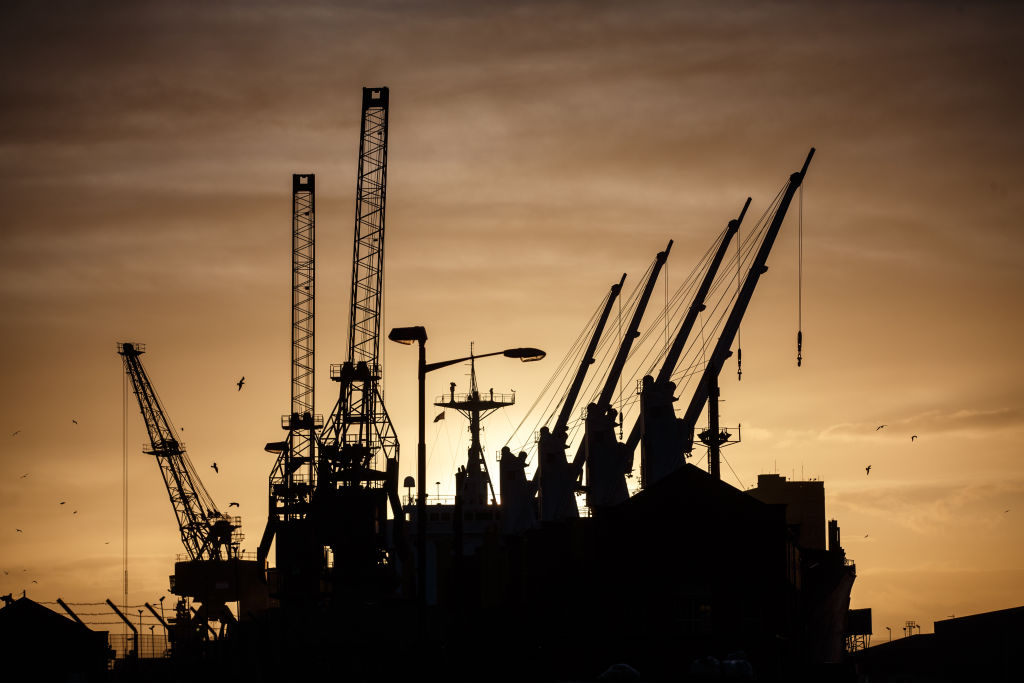
The North Sea could prove to be the solution to Britain's energy security problem (Photo by Robert Perry/Getty Images)

Year on year, the UK becomes more dependent on liquefied natural gas, but North Sea investment could change this, OEUK argues.

Britain risks becoming dangerously reliant on imported liquefied natural gas unless the government moves swiftly to stabilise the fiscal regime for domestic oil and gas producers, the offshore energy industry has warned. The alert comes in Offshore Energies UK's Business Outlook Report 2026, published today, which sets out projections showing the UK could depend on imported LNG for more than a quarter of its gas supply by 2030 and nearly half by 2035. This figure is up from around 14% last year. The report argues that regulatory and fiscal uncertainty, rather than shortage of resources, is driving the decline in domestic production. It calls on the government to replace the temporary Energy Profits Levy with a permanent Oil and Gas Price Mechanism, which OEUK says could unlock up to £50bn in additional investment and massively increase tax receipts over the next decade. Oil and gas currently supply around 75% of the UK's total energy needs, and the report projects they will still account for roughly a fifth of demand in 2050. North Sea gas also carries a lower carbon footprint than imported LNG, which reckons with the assumption that cutting domestic output automatically reduces emissions. Under existing fiscal and regulatory conditions, the UK's offshore energy sector is forecast to attract roughly £120bn in capital expenditure over the next ten years, including £86bn in offshore wind, £17bn in oil and gas, and £20bn across carbon capture and hydrogen. If the correct policy environment is created, this could be even higher. David Whitehouse, OEUK's chief executive, said the choice was not between renewables and fossil fuels. "We urgently need greater supplies of secure, domestically produced energy including oil and gas, which will remain a critical part of the UK energy system and economy for decades," he said, warning that weakening domestic supply would only deepen exposure to global market volatility. The report also highlights rising electricity demand as electrification of transport, heating, and industry accelerates. It argues that the skills and supply chains built up in the offshore oil and gas sector provide the foundation for delivering that transition, and that policy stability is essential to mobilise them effectively....

Subscribe to The Mace

Join the member community shaping British politics and stay ahead of what's really happening in the world of politics and public affairs, with expert analysis, breaking news, and insider insights from Westminster and Brussels. The Mace is the leading news source and resource for the government affairs industry, offering required reading and lobby intelligence for professionals.

To see what you are missing out on by not subscribing to The Mace, click here to download our full membership info-pack. This includes having no paywall on op-ed content or profiles/interviews, allowing professional profiles to be read with maximum impact and visibility by government, special advisers, MPs, peers, civil servants, and policy and political decision-makers.

‘Drill, baby, drill’ is not a long-term strategy, bodies warn.

Pablo John | March 19, 2026

Whilst oil and gas may seem like seductive choices, the government must look beyond the soundbites, warns Pablo John.

Logistics body sends an important reminder to the government

Edwin Morgan | March 19, 2026

Despite the importance that logistics and supply chains carry in Britain's economy, the government routinely ignores the significance of the sector, argues Edwin Morgan

Maritime trade bodies warn of citizens being caught in Iranian crossfire

Oliver Dean | March 12, 2026

As the Iranian conflict continues, maritime trade bodies have warned of the significant loss of human life thus far.

Trade bodies warn of “market distortion” in wake of Reform’s Sovereign Wealth plan

Mace | February 25, 2026

As Reform's 'Shadow Cabinet' begins to develop, Richard Tice sets out the party's policy on a British sovereign wealth fund plan.

Corporate Affairs Awards 2026 shortlist revealed — spotlight on public affairs newcomers

Mace | February 17, 2026

The shortlist for the 2026 Corporate Affairs Awards has been unveiled.
Trade body describes the Government’s new electric HGV plan as a ‘monumental challenge’

Oliver Dean | February 17, 2026

With only 1 in 70 new HGV's being electric, the government must assist with infrastructure investment says industry leader

Trade bodies criticise Blair’s support of North Sea drilling

Oliver Dean | February 13, 2026

The Tony Blair Institute for Global Change has published a paper, recommending the expansion of drilling operations in the North Sea. The move challenges the government's position of

Leading energy trade body calls for permanent tax regime

Thomas Edwards | February 12, 2026

The Offshore Energies UK (OEUK, the leading trade association for the UK’s offshore energy industry association has issued an open letter to the government calling for a permanent

Trade bodies press ministers to toughen procurement reforms on standards

Thomas Edwards | February 9, 2026

Trade bodies and unions in the UK construction and engineering sectors have called on ministers to revise the government’s latest procurement reforms to strengthen standards and address what

Welsh business groups say 15 per cent rates relief falls short

Mace | February 9, 2026

The Welsh Government’s announcement of a 15 per cent business rates discount for pubs, restaurants, cafés and live music venues in Wales has prompted immediate reactions from the