Industry warns UK faces rising import dependence without fresh North Sea investment
Oliver Dean | 25th March 2026 | Trade Associations
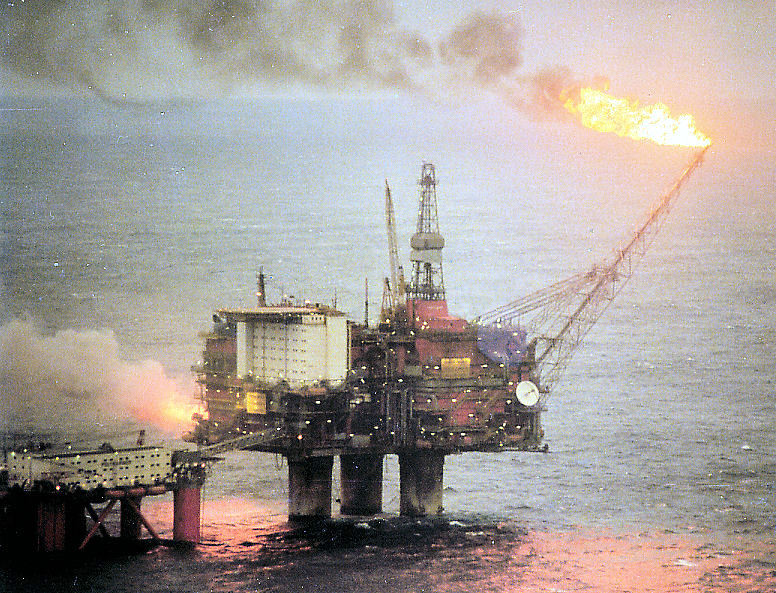
The North Sea could prove to be the solution to Britain's energy security problem (Photo by Robert Perry/Getty Images)
Year on year, the UK becomes more dependent on liquefied natural gas, but North Sea investment could change this, OEUK argues.
Britain risks becoming dangerously reliant on imported liquefied natural gas unless the government moves swiftly to stabilise the fiscal regime for domestic oil and gas producers, the offshore energy industry has warned.
The alert comes in Offshore Energies UK’s Business Outlook Report 2026, published today, which sets out projections showing the UK could depend on imported LNG for more than a quarter of its gas supply by 2030 and nearly half by 2035. This figure is up from around 14% last year.
The report argues that regulatory and fiscal uncertainty, rather than shortage of resources, is driving the decline in domestic production. It calls on the government to replace the temporary Energy Profits Levy with a permanent Oil and Gas Price Mechanism, which OEUK says could unlock up to £50bn in additional investment and massively increase tax receipts over the next decade.
Oil and gas currently supply around 75% of the UK’s total energy needs, and the report projects they will still account for roughly a fifth of demand in 2050. North Sea gas also carries a lower carbon footprint than imported LNG, which reckons with the assumption that cutting domestic output automatically reduces emissions.
Under existing fiscal and regulatory conditions, the UK’s offshore energy sector is forecast to attract roughly £120bn in capital expenditure over the next ten years, including £86bn in …
Subscribe to The Mace
Join the member community shaping British politics and stay ahead of
what's really happening in the world of politics and public affairs,
with expert analysis, breaking news, and insider insights from
Westminster and Brussels. The Mace is the leading news source and
resource for the government affairs industry, offering required
reading and lobby intelligence for professionals.
To see what you are missing out on by not subscribing to The Mace, click here to download our full membership info-pack. This includes
having no paywall on op-ed content or profiles/interviews, allowing
professional profiles to be read with maximum impact and visibility by
government, special advisers, MPs, peers, civil servants, and policy
and political decision-makers.
The UK Chamber of Shipping has hired former SEC Newgate accounts manager Harry Brown as public affairs manager to strengthen its engagement with government and policymakers.
Oil prices rose after stock drawdowns at U.S. hubs and a cautious OPEC+ output increase. The gains add inflationary pressure and squeeze fiscal policy in nations reliant on
Labour’s Employment Rights Bill is under pressure after Angela Rayner’s exit. Unions accuse Starmer of weakening core pledges like fire and rehire and day-one rights.
The AI sector has escalated political spending through lobbying and a new Pro‑AI Super PAC as elections near. Firms face legal pressures, including a wrongful death case and
Norway is ramping up investment in oil and gas even amid green energy expansion. Output continues to exceed expectations, with new licensing rounds and record field development. Political
Business‑backed think tanks are rapidly increasing their influence on UK policy through private donor funding, campaign papers and advisory roles. They impact areas from net zero infrastructure to
The FTSE 100 ended Tuesday at 8,254.18, narrowly missing its all-time closing high. Mining stocks and a weaker pound lifted the index, while cautious investor sentiment and upcoming
The OECD has lowered its global GDP forecast to 2.9% for both 2025 and 2026, citing U.S. tariffs and weakening investment. Growth estimates for the U.S., UK, and