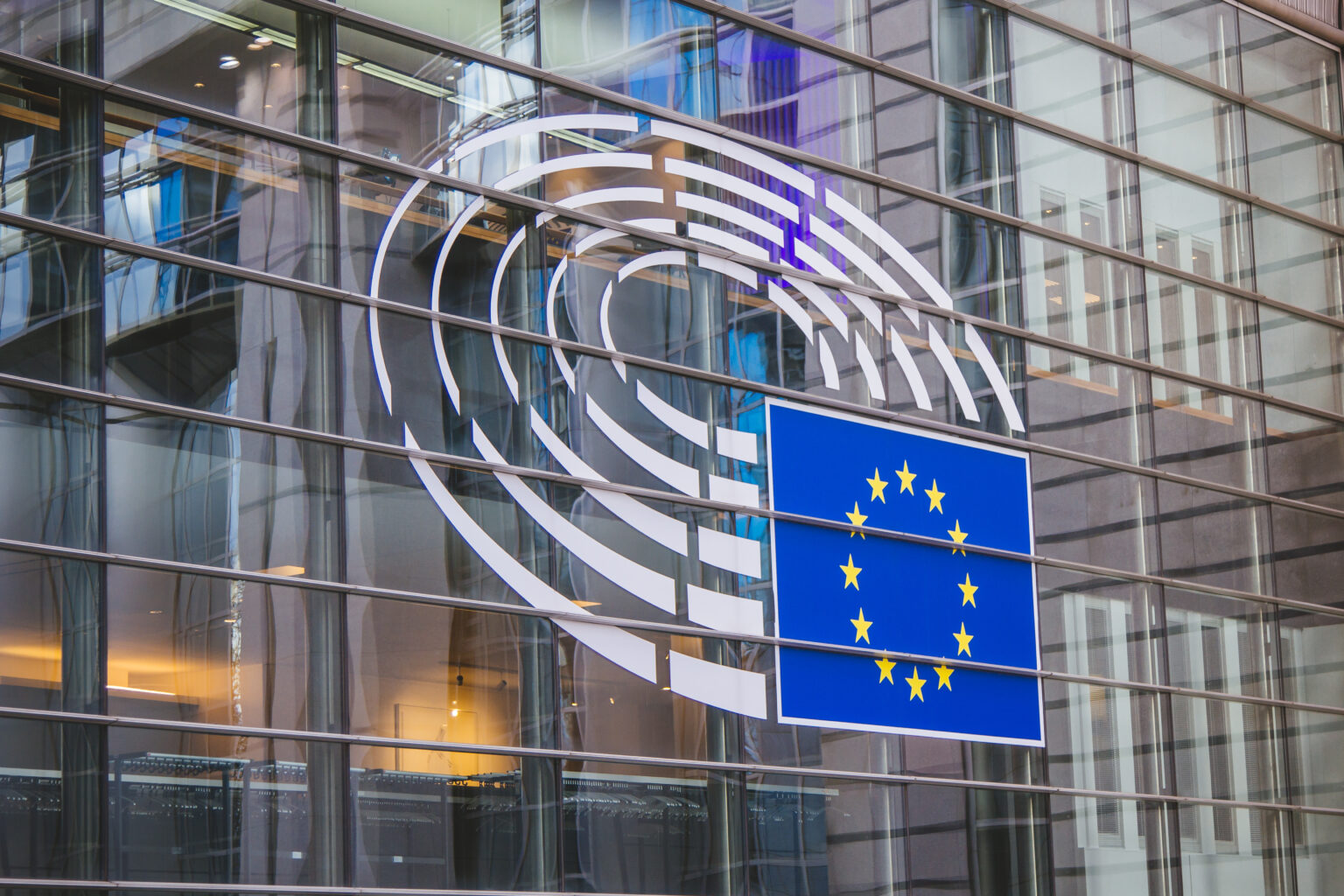
EU Weighs Seizing Frozen Russian Assets to Fund Ukraine’s Reconstruction

Mace | 26th February 2025 | Kyiv, Uncategorised
European,Parliament,Building,In,Brussels.,Glass,Facade.

EU eyes €200 billion in frozen Russian assets to rebuild Ukraine—risking legal battles and global financial shockwaves.

EU Debates Seizing Frozen Russian Assets to Fund Ukraine’s Reconstruction The European Union is intensifying deliberations over the potential seizure of more than €200 billion in frozen Russian assets to finance Ukraine’s reconstruction, a move that could reshape international financial norms and strain diplomatic ties with global powers. Since Russia’s full-scale invasion of Ukraine in 2022, approximately €200 billion in Russian central bank assets have been immobilised by the EU, primarily held by Euroclear, a Brussels-based financial clearinghouse. The interest generated by these assets—estimated at billions annually—is now being considered as a source of funding for Ukraine’s rebuilding. Proposals under review focus on utilising profits from these frozen assets to aid Ukraine without confiscating the principal funds. This approach is intended to minimise legal risks while providing essential financial support. However, some EU policymakers have called for more assertive measures, a...

Subscribe to The Mace

Join the member community shaping British politics and stay ahead of what's really happening in the world of politics and public affairs, with expert analysis, breaking news, and insider insights from Westminster and Brussels. The Mace is the leading news source and resource for the government affairs industry, offering required reading and lobby intelligence for professionals.

To see what you are missing out on by not subscribing to The Mace, click here to download our full membership info-pack. This includes having no paywall on op-ed content or profiles/interviews, allowing professional profiles to be read with maximum impact and visibility by government, special advisers, MPs, peers, civil servants, and policy and political decision-makers.


Collecting the evidence of genocide

Azeem Ibrahim | June 22, 2022

How the New Lines Institute has ascertained that Russia’s war on Ukraine crosses the tolerable moral boundaries of warfare

There’s a femtech revolution and the UK is leading it

Mace | June 17, 2022

Professor Asif Ahmed tells Mace how he's leading the charge for developing new medicines to treat pre-eclampsia

Erskine: Systems failure

Bernard Jenkin | June 7, 2022

Putin’s invasion of Ukraine proves that the West has been asleep at the switch while he set out his plans in plain sight. How did our systems fail
Dolitics: protecting our armed forces

Dolly Theis | June 6, 2022

There is new and widespread evidence of sexual offences committed against both men and women within the armed forces

Creating a digital forum for voters in Germany

Lukas Holter and Christoph Schleifer | May 30, 2022

How CamBuildr works to give campaigners new tools for engaging with voters

Why neutrality is no longer an option for island states

Jeffrey Salim Waheed | May 27, 2022

Vulnerable nations face uncertain futures and complex allegiances in the face of a changing world order

How art colours lives

Lucy Kenningham | May 26, 2022

Art4Humanity is a new initiative funding global youth and arts projects

Seven shades of Brown

Arthur Salisbury | May 25, 2022

It might have been written in good faith, but in his new book who is the former PM talking to?
With or without EU

Jorge González-Gallarza | May 20, 2022

Did post-imperial syndrome cause Britain to join and then leave the EU?
The Spike: Natasha Sindeyeva

Lucy Kenningham | May 19, 2022

The remarkable story of the exuberant socialite who founded Russia’s only independent television channel