EU Weighs Seizing Frozen Russian Assets to Fund Ukraine’s Reconstruction

Mace | 26th February 2025 | Kyiv, Uncategorised
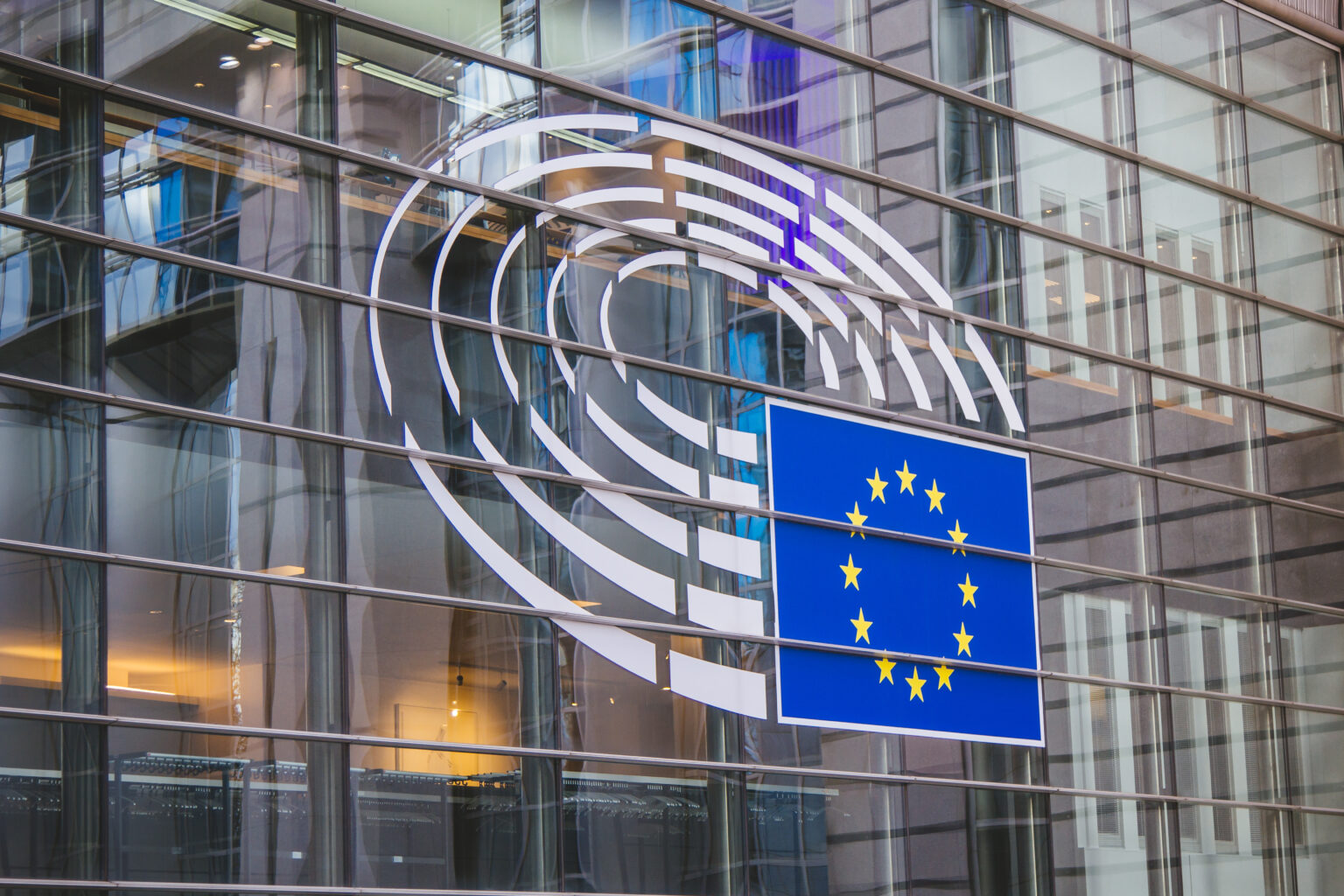
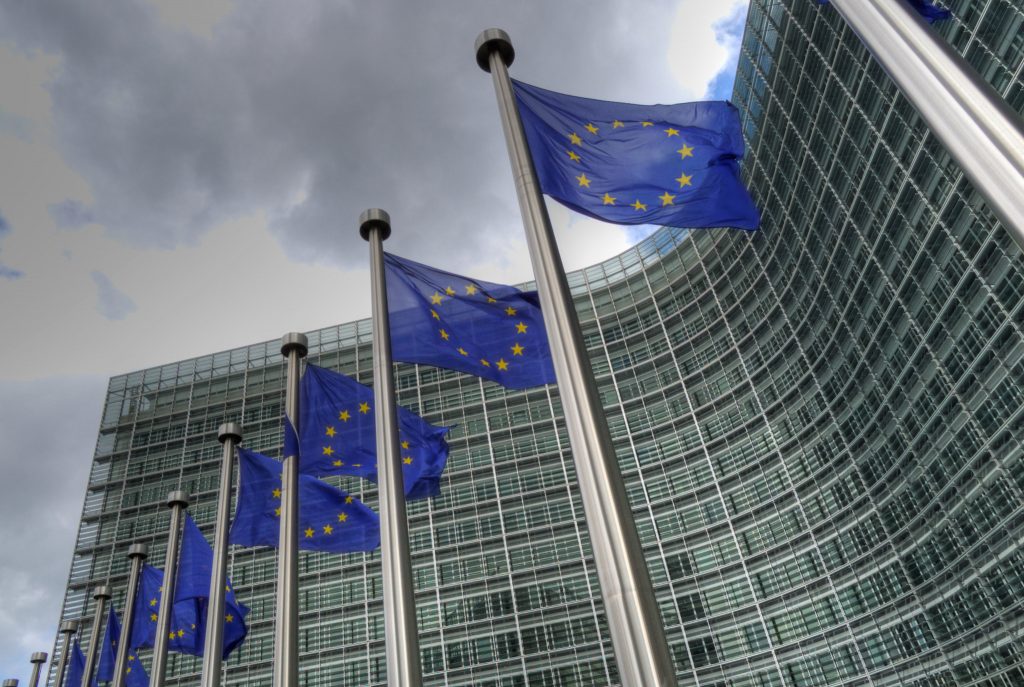
European,Parliament,Building,In,Brussels.,Glass,Facade.

EU eyes €200 billion in frozen Russian assets to rebuild Ukraine—risking legal battles and global financial shockwaves.

EU Debates Seizing Frozen Russian Assets to Fund Ukraine’s Reconstruction The European Union is intensifying deliberations over the potential seizure of more than €200 billion in frozen Russian assets to finance Ukraine’s reconstruction, a move that could reshape international financial norms and strain diplomatic ties with global powers. Since Russia’s full-scale invasion of Ukraine in 2022, approximately €200 billion in Russian central bank assets have been immobilised by the EU, primarily held by Euroclear, a Brussels-based financial clearinghouse. The interest generated by these assets—estimated at billions annually—is now being considered as a source of funding for Ukraine’s rebuilding. Proposals under review focus on utilising profits from these frozen assets to aid Ukraine without confiscating the principal funds. This approach is intended to minimise legal risks while providing essential financial support. However, some EU policymakers have called for more assertive measures, a...

Subscribe to The Mace

Join the member community shaping British politics and stay ahead of what's really happening in the world of politics and public affairs, with expert analysis, breaking news, and insider insights from Westminster and Brussels. The Mace is the leading news source and resource for the government affairs industry, offering required reading and lobby intelligence for professionals.

To see what you are missing out on by not subscribing to The Mace, click here to download our full membership info-pack. This includes having no paywall on op-ed content or profiles/interviews, allowing professional profiles to be read with maximum impact and visibility by government, special advisers, MPs, peers, civil servants, and policy and political decision-makers.


On World Oral Health Day, simple habits are key to a healthier lifestyle

| April 19, 2023

The unsung importance of chewing

The EU’s Deforestation Regulation Sparks Protests from Farmers and Governments

Mace | March 16, 2023

Rural communities unable to participate in supply chain to Europe risk being left behind

How to access mental health services during the NHS winter crisis

Mace | February 17, 2023

Under the weight of covid-19 related backlogs, the annual pressure of the winter flu season, and covid-19 itself healthcare resources are becoming scarcer.
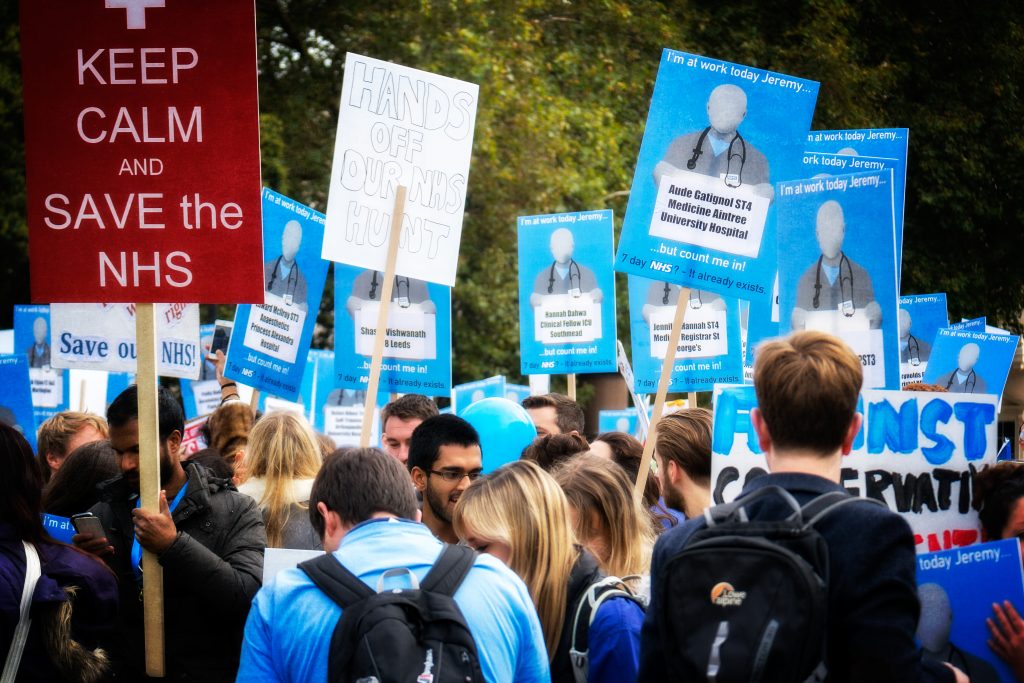
Azerbaijan eyes deeper strategic partnership with Hungary

Shahmar Hajiyev | February 8, 2023

The European Union's decades-long dependence on Russian energy imports is threatening European energy security
Neutrality under threat as Nigerian election looms

Mace | January 26, 2023

To support Nigeria’s upcoming elections the US State Department has announced visa restrictions for those involved in undermining democracy

We can force Putin pay for Ukraine’s reconstruction

Mace | November 20, 2022

The New Lines Institute, a leading US Foreign Policy think tank, presented at the roundtable event the framework by which Russian funds already frozen by several Western Nations
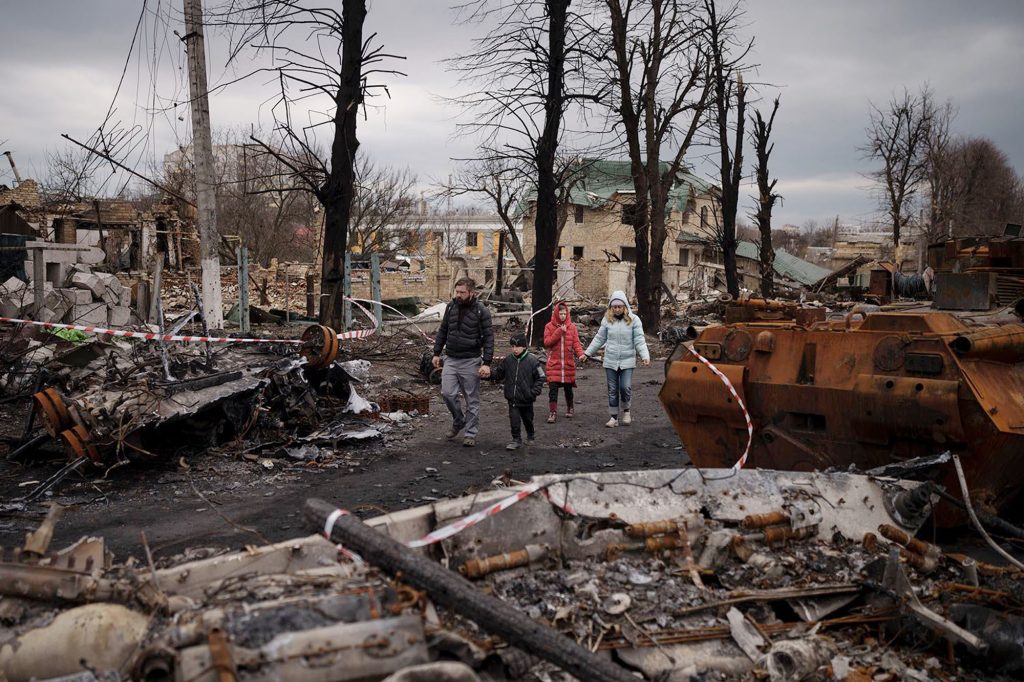
The E.U. Should Follow the U.K.’s Model on Due Diligence

Michiel Hoogeveen | November 10, 2022

The U.K.’s current political and economic turmoil offers a model that no one on the continent would wish to follow right now – but its Due Diligence system,

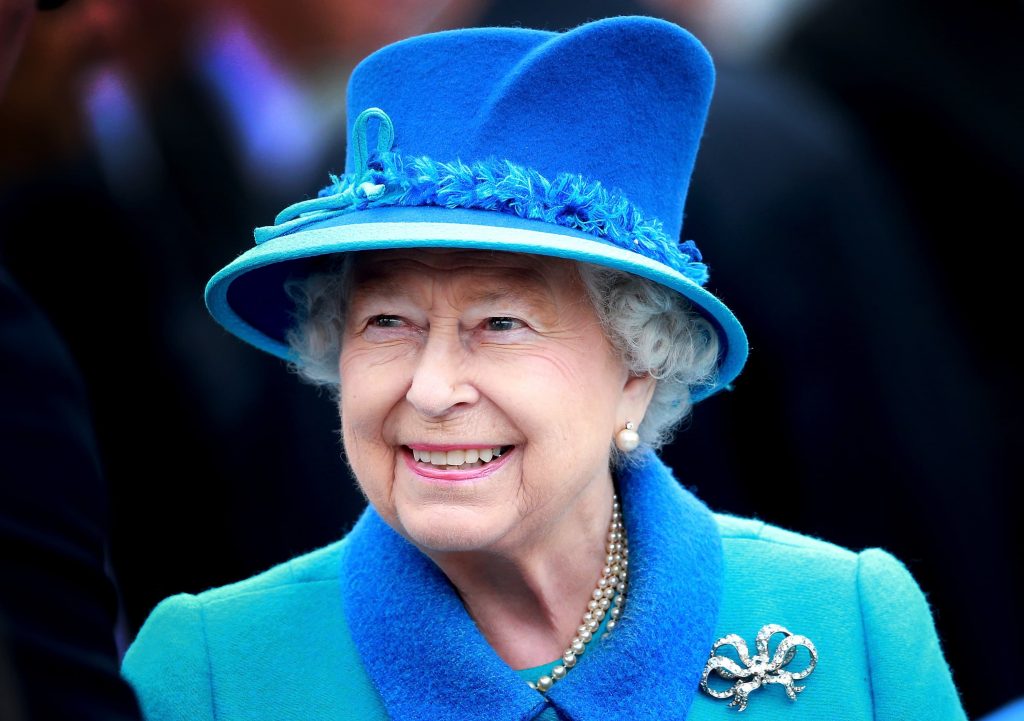
A Monarch’s death

Mace | September 13, 2022

The Queens death prompts Mark Jenkins to take a look at the theological implications of a coronation.
In Tackling Rising Food and Cost of Living Prices, the EU Finds an Unlikely Ally

Mace | August 11, 2022

As a result of the war in Ukraine,  Europe, and the world, are facing unprecedented inflationary surges, cost of living and food security crises.
Why BBC Parliament needs saving

Noah Keate | June 24, 2022

The channel that piqued my interest in politics could reduce youth disengagement - if given a chance