Mariya Gabriel on Europe’s New Bauhaus
Why is a new European initiative drawing inspiration from a century-old German art school movement?


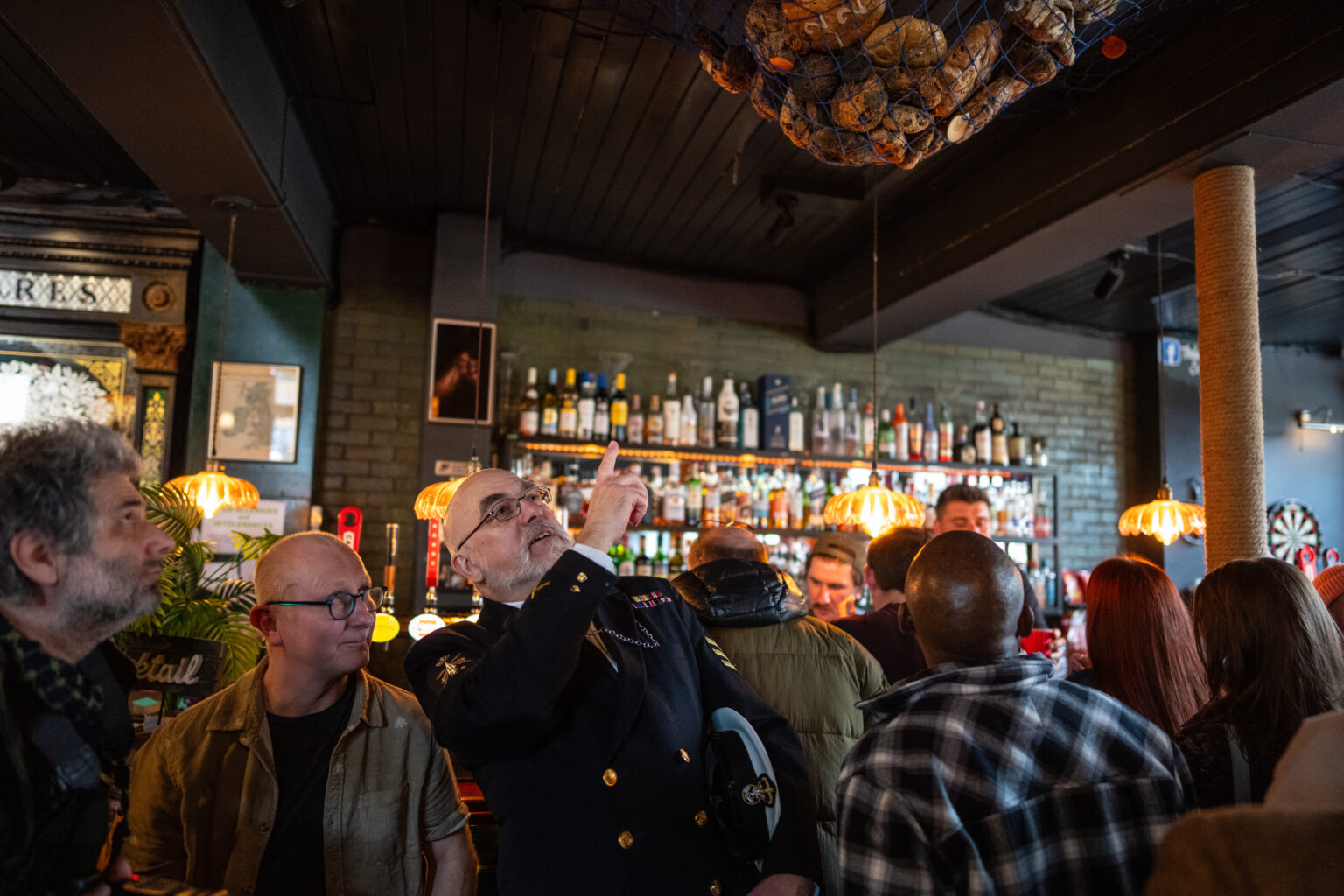
As England prepares for next Wednesday's World Cup opener, The Mace explores how the tournament could boost the pub economy.
England plays Costa Rica today for its last friendly match before the World Cup officially kicks off next week. Even though it is a friendly, many fans are making plans to pop into pubs across London and enjoy the game as excitement builds for the tournament next week. Personally, I am already messaging and calling friends eagerly to make social arrangements for next Wednesday’s kick-off against Croatia: “Should we book? Surely the pubs are going to be packed” is a message I have been frequently receiving back.
The global tournament next week is due to offer a massive, multi-million-pound, nationwide lifeline to the pub industry, which has suffered greatly in recent years despite its place at the heart of British culture and social life. With Gen Z becoming a generation defined by its sobriety, and with the cost-of-living and unemployment crises continuing to bite, pubs across the country have struggled to stay open. However, the World Cup is anticipated to offer a huge boom to British businesses, with pubs being one of the biggest beneficiaries of our latest attempt to bring football home.
The British Beer and Pub Association is forecasting 55 million pints to be poured over the course of the competition. Furthermore, this World Cup will run ten days longer than the 2022 tournament in Qatar. To pour even more into the pint economy, pubs will be allowed to stay open until 1am in England and Scotland, or 2am if matches start between 9pm and 10pm. With the World Cup streaming on terrestrial television, pubs don’t have to fork out vital cash for expensive sports packages.
The World Cup will give a generous boost across the hospitality sector. Football fans are expected to spend almost £900 million on hospitality, more than double the £442 million spent during the 2022 tournament. A further £361 million is due to be spent on food.
Simon Mitchell, chief executive of street food market operator Kerb, said: “With many fixtures falling between the evening and late night, we expect people to build their night around the football, whether that is dinner first, drinks during the game, or staying out later than they otherwise would. That has the potential to drive both footfall and dwell time at a point when London’s nightlife and hospitality businesses need every opportunity to capture spend.”
A successful football season for pubs could also make a dent in the youth unemployment crisis. With pub closures reducing employment opportunities for many young people, a boost in the pub economy could provide jobs, income, and valuable work experience for those struggling to get their foot in the door.
Why is a new European initiative drawing inspiration from a century-old German art school movement?
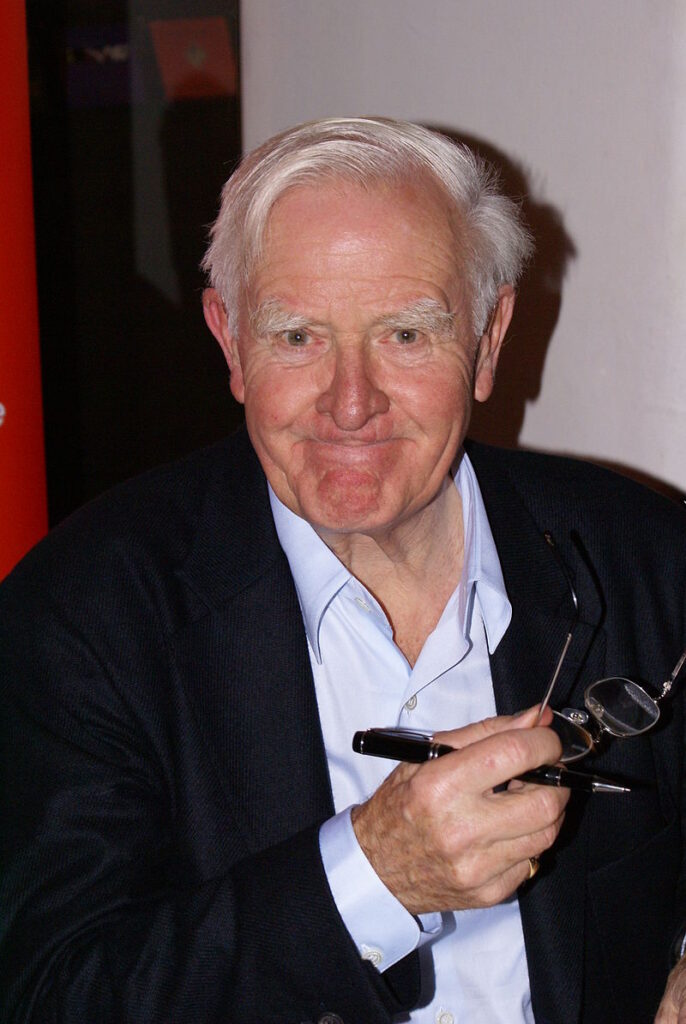
British espionage writer John le Carré has died aged 89. William Cash reflects on his legacy
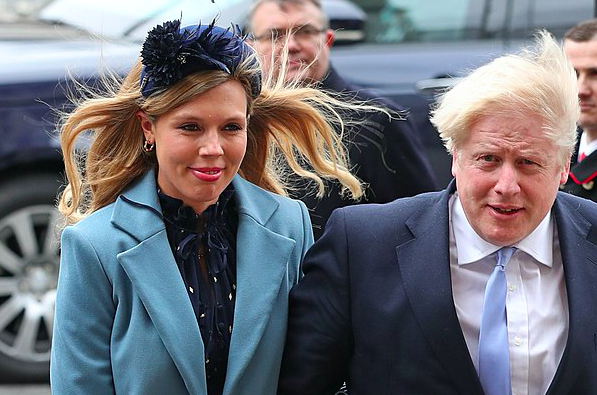
Fashion can make or break in Westminster, says former aide to Jeremy Corbyn Frances Leach
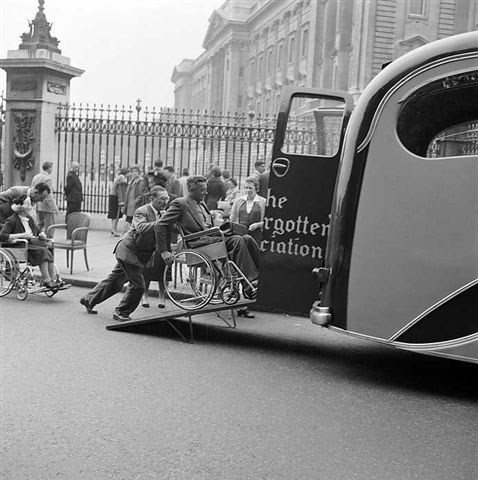
Whilst we applaud the genius of medical science, don't think 'special care' is a modern invention. The roots of free hospital care go back centuries, says William Cash
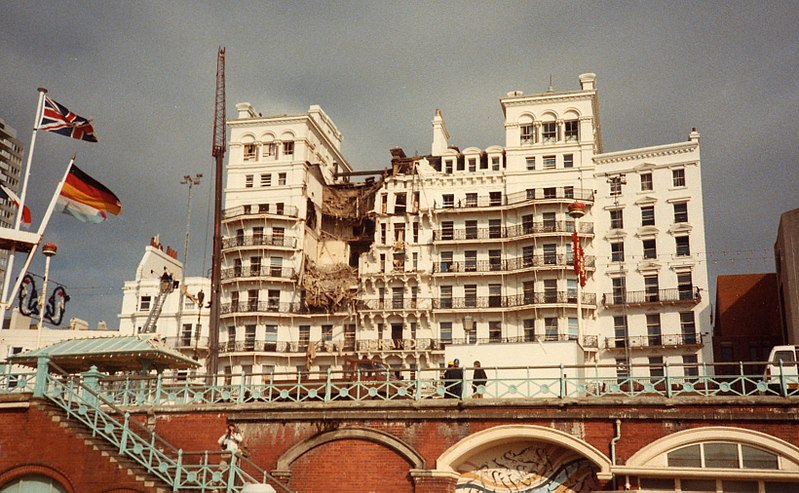
William Cash asks whether the PM can learn from how Thatcher handled the IRA bombing of exactly 36 years ago
She Speaks: The Power of Women's Voices, by Yvette Cooper, reviewed by Benjamin Goodwin

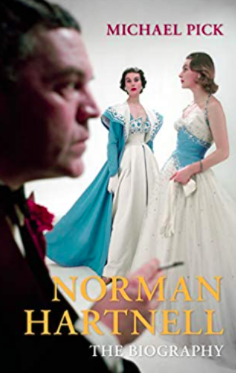
Norman Hartnell: The Biography, by Michael Pick, reviewed by Adam Solomons
The acclaimed author of 15 novels, including Any Human Heart, debates how seismic events make their way into storytelling