When George Orwell was researching and writing The Road to Wigan Pier, his great study of poverty in industrialised England in the 1930s, he went down a mine in Bryn, a village between the towns of Wigan and Ashton-in-Makerfield on the South Lancashire coalfield.
His experience left him marvelling at how tough the miners were. He described them as ‘splendid men’, as ‘hammered iron statues’ who would shuffle ‘bent double’ for a mile or more along tunnels a thousand feet underground to coalfaces where for nearly eight hours a day they would ‘work kneeling down . . . in suffocating heat and swallowing coal dust with every breath.’
‘The miner’s job would be much beyond my power as it would be to perform on the flying trapeze or to win the Grand National,’ confessed Orwell. ‘By no conceivable amount of effort or training could I become a coalminer; the work would kill me in a few weeks.’
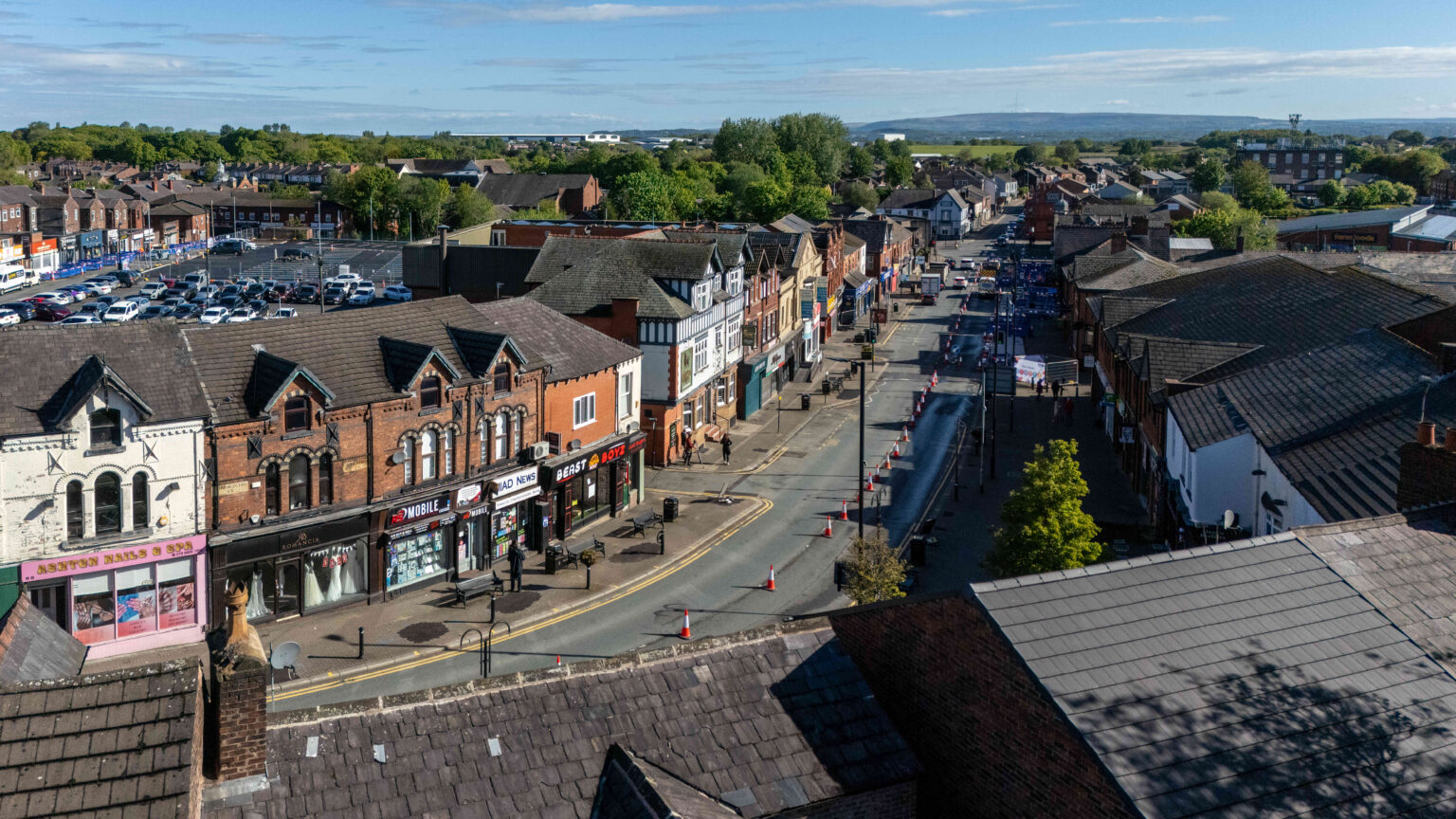
Today, both Bryn and the tripe shop where Orwell lodged during his sojourn are found in the Makerfield constituency that Andy Burnham will contest for Labour on June 18 as part of his strategy to replace the disastrous Sir Keir Starmer as Prime Minister and save his Party from annihilation at the next General Election.
Its industrial working class legacy made Makerfield a safe seat for Socialists for more than a century, with jobs for life for its incumbent MPs and a solid rampart of the Red Wall. Normally, it would be a shoo-in for Burnham. Unfortunately for him that is no longer the case.
“Labour is in trouble if ‘Wigan Man’ emerges as the new median voter whom mainstream parties must attract to win the next election”
Little more than a decade ago the Labour group held a complete monopoly over Wigan Metropolitan Borough Council, of which Makerfield is a part, but in the local elections of May 7th none of their candidates won a seat, with Reform UK taking all but one (which went to an Independent). Only a third of council stood for election so it remains Labour-controlled, though firmly on course to switch at the next election and become Reform-controlled like neighbouring St Helens or like Lancashire County Council a few miles to the north.
“People here are decent, down to earth and honest and hard-working but they have a resentment at being called “far right” every time they disagree with the Labour Party”
There is such animosity toward Labour in these former Labour heartlands today that the Labour club in Bryn, close to the pit that Orwell visited, changed its name recently to the ‘community club’ to reflect the reality that the vast majority of its members have bitterly rejected the party of their forefathers in favour of Reform or Restore.
Such signs suggest that Labour is in trouble if ‘Wigan Man’ emerges as the new median voter whom mainstream parties must attract to win the next election – in the same way that ‘Essex Man’ mattered crucially to Margaret Thatcher and ‘Mondeo Man’ to Tony Blair. So who precisely is he?
Maureen O’Bern, an independent Wigan councillor whose father and grandfather both worked in the coalmines, said: ‘People here are decent, down to earth and honest and hard-working but they have a resentment at being called “far right” every time they disagree with the Labour Party. People have had enough of being labelled with these names just for having genuine concerns about things like illegal migration.
‘They are kind and welcoming but when people are struggling to get housing and struggling to get a doctor’s appointment they don’t think they are being prioritised. They don’t like the way it is going. They want someone who will back them.
‘They think we are being exploited, manipulated and used. People feel that Labour does not represent them any more, that they have taken them for granted and that Labour does not put them first.’
She continues: ‘For Labour to lose every seat they stood for in the local elections is absolutely massive. If they don’t get the message – and I still don’t think they are getting the message – there is going to be a massive change. People will stop voting for them.’
Mr Burnham will struggle to win the by-election because voters in Makerfield, she says, see him as a career politician who belongs to a party they dislike and which they believe despises them.
She predicts that the Culture Secretary Lisa Nandy, the MP for Wigan, the adjacent constituency, will also be in ‘serious trouble’ at the next general election, especially if Robert Kenyon takes Makerfield for Reform.
‘Lisa Nandy lost massively her majority last time and that was before Starmer,’ says Mrs O’Bern.
‘Starmer has been the death knell for Labour. He’s in a Westminster bubble and people here think he doesn’t know what goes on in ordinary places. People here think Starmer has a very bad attitude toward the white working class, that he looks down on them and he thinks they’re “far right”, and people here have had enough of being labelled with these names just for having genuine concerns.’
It would nevertheless be reckless to dismiss altogether the chances of Mr Burnham, who is clearly one of the strongest candidates the Labour Party could possibly muster. He is a highly accomplished politician who can also appeal to Makerfield voters at the grass roots level because of his strong links to the constituency, where he abides and where he sent his children to school.
Michael Garner, 58, a civil engineer from Ashton-in-Makerfield, said Burnham can appeal to former Labour voters if he exercises humility and talks about ‘localised solutions’ to problems instead of ‘reiterating his success as Mayor for Greater Manchester’.
Mr Garner said: ‘He has to be brutally honest about New Labour’s failings and acknowledge he played his part during their time at the helm.’
Similarly, Simon Wood, a local secondary school teacher, predicted that Burnham could win if he shows ‘former Labour voters that he’s listening to the frustrations that pushed them towards Reform in the first place – particularly around immigration, cost of living, public services and the feeling that towns like Ashton-in-Makerfield have been overlooked for too long’.
‘People want honest, visible leadership and someone who will stand up for local communities rather than simply repeat the party line,’ said Mr Wood.
A month is an extremely long time in politics and much can change between now and the day when the voters of Makerfield either crown or reject Mr Burnham as the next Prime Minister and the leader who will take Labour into the election of 2029.
Significantly, they will also decide the question of whether Wigan Man is the transient working-class figure who will dissipate with the frustrations from which he emerged; or, will he become the median voter whom all parties must appease if they wish to take power three years from now? We may have a clearer idea after June 18th.
Simon Caldwell is a novelist and journalist based in Wigan. His novels, set in the North-West, include The Beast of the Bethulia Park and Lady Mabel’s Gold (both published by Gracewing).