Why Trump was right to increase sanctions on Russia

William Cash | 26th October 2025 | Diplomacy, International, Politics, Washington
ChatGPT Image Oct 26, 2025, 09_09_39 AM

President Trump’s new oil sanctions on Russia mark a sharp turn in US policy toward the war in Ukraine.

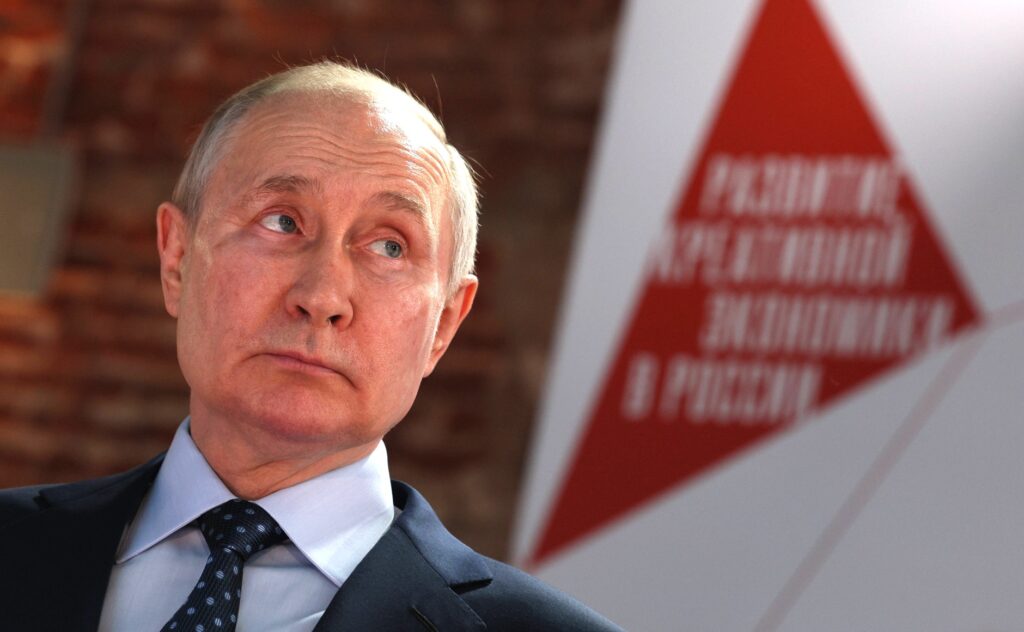
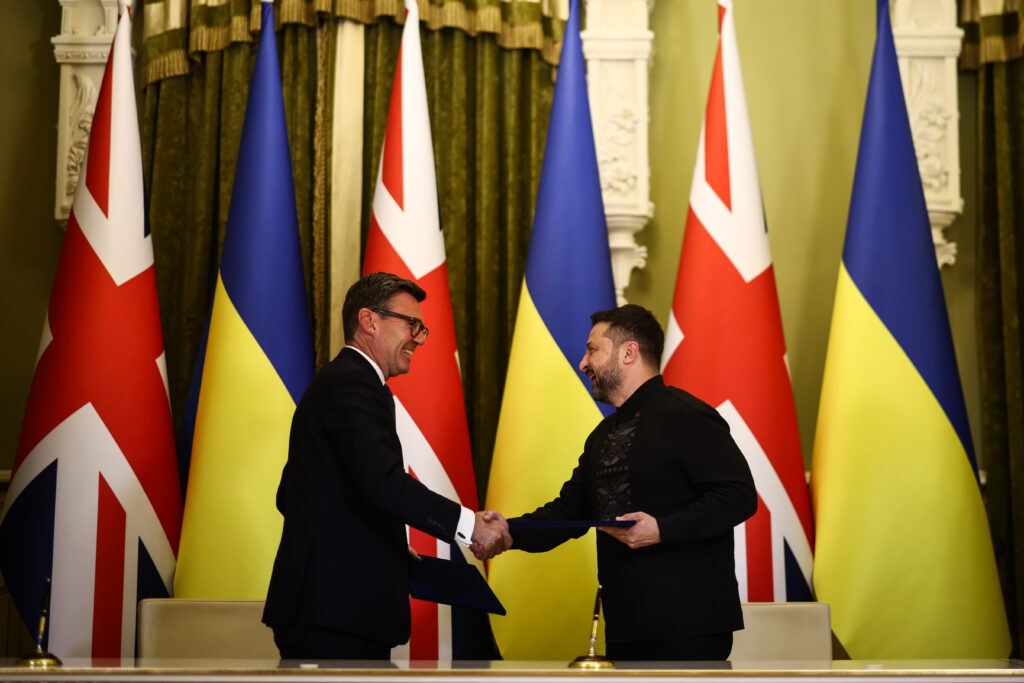
President Trump has made another Ukraine U-turn by ordering new oil sanctions against Russia after Putin walked away from a second meeting with the American president in Hungary, designed to end the Ukrainian war on the back of Trump’s success in brokering peace in Gaza. The sanctions are designed to inflict economic pain. The two oil companies affected – Rosneft and Lukoil – provide almost half of Russia’s oil production. Between them, they produce and export more than three million barrels of Russian crude oil daily. After achieving a historic peace in Gaza, it was inevitable that international attention would return to the war in Ukraine. In April, former prime minister Boris Johnson censured the US president, saying that he feared the Ukrainians could expect little or nothing from a US-brokered peace deal. Yet just six months later, in September, Donald Trump performed a remarkable U-turn on Ukraine, saying that the country could win the war and even take more territory. Now, in late October, with Russia refusing to budge – demanding, as the price of a ceasefire, to be granted more territory than it currently holds – he has finally had enough and imposed what he calls “tremendous” sanctions designed to inflict real economic damage. Putin, in response, said that the oil sanctions were an “unfriendly” act that reversed any goodwill between America and Russia created at the Alaska summit. So why has Trump doubled down on Russia? The US president, of course, still wants the Nobel Peace Prize. When he said in September that President Zelenskyy “can win all of Ukraine back in its original form”, he made it clear that the path to peace was through selling Ukraine and her allies all the weapons they needed to win back “territory Russia has invaded [and] maybe even go further than that.” These serious economic sanctions show how attitudes towards Putin have shifted within the Trump administration. He is finally realising that red-carpet treatment will not work with Putin – only hard economic reality will. The oil sanctions are merely the first necessary shot that Trump is firing at Russia. The second – on ice for now – concerns the sale of US-made Tomahawk cruise missiles to NATO countries, allowing Kyiv to carry out long-range strikes inside Russia. Part of Trump’s Houdini act is down to the “soft power” exercised by Britain. To be clear, this is less due to the UK government than to King Charles. It is no coincidence that Trump’s volte-face in September came soon after King Charles and Prince William unleashed all Windsor Castle’s pomp and ceremony to flatter the Anglophile president. In his dinner speech, the King singled out Ukraine. On Ukrainian Independence Day, the King posted on X, expressing his “greatest and deepest admiration for the unbreakable courage and spirit of the Ukrainian people” and calling for a “just and lasting peace.” Zelenskyy later confirmed that the King’s soft-power influence on Trump at the state dinner was a decisive factor in his change of stance towards Ukraine. This shows how relying on old-style diplomatic channels to resolve seemingly intractable conflicts is a model being rewritten by Trump and his team – including his billionaire property developer allies Jared Kushner and Steve Witkoff, US Special Envoy to the Middle East – who fly in and out of countries under the radar on their own jets. They have taken a more direct and entrepreneurial “deal-maker” approach. Royal dinner or private jet diplomacy is now proving more effective than old-school State Department diplomacy. For peace to happen in Ukraine, Zelenskyy needs to win the battle of military technology. Nobody knows this better than Ukrainian general Valerii Zaluzhnyi, now Ambassador to the UK, whose military tactics – honed through studying modern US and NATO forces – were responsible for repelling the Russian attempt to seize Kyiv in the early days of the war. That the capital did not fall within days in 2022 was due to Zaluzhnyi’s advocacy of a courageous counter-offensive through a combination of military intelligence (helped by US satellite imagery) and the embrace of electronic, AI, and drone warfare. After the former Commander-in-Chief of the Armed Forces of Ukraine visited London’s DSEI 2025 in September, the leading trade show of the global defence and security industry, he wrote a revealing op-ed in the Kyiv Times, saying that walking around the exhibition made him realise how much of today’s most advanced electronic weaponry had emerged from the needs of the Ukrainian war. The use of drones and AI warfare was now “rethinking modern warfare and reshaping doctrines.” The key to seizing back the military initiative, Zaluzhnyi has long argued, is “to seize the technological initiative”, which is why Tomahawk missiles could be a game-changer by striking at the heart of Russia. He added that this would be “impossible on our own” without access to Western military hardware. Indeed, Ukraine’s entire strategic defen...

Subscribe to The Mace

Join the member community shaping British politics and stay ahead of what's really happening in the world of politics and public affairs, with expert analysis, breaking news, and insider insights from Westminster and Brussels. The Mace is the leading news source and resource for the government affairs industry, offering required reading and lobby intelligence for professionals.

To see what you are missing out on by not subscribing to The Mace, click here to download our full membership info-pack. This includes having no paywall on op-ed content or profiles/interviews, allowing professional profiles to be read with maximum impact and visibility by government, special advisers, MPs, peers, civil servants, and policy and political decision-makers.

Racing the sunset: a pilgrim odyssey across a dying Europe

Mace | August 4, 2026

For 10 months, ex-army officer James Jeffrey trekked 3500 km across Europe by foot. The scale of migration he witnessed may not have been as dramatic as the

Leader in Public Affairs: Grace Pritchard, Downing Street Director of News and the Prime Minister’s Political Spokesperson

Mace | August 3, 2026

After heading the Makerfield by-election comms team, Grace Pritchard was singled out by Andy Burnham as being a key part of his northern campaign team. The self-styled 'Yorkshire

Dame Antonia’s key civil service reforms are ready to be supported by Whitehall, says Jonathan Freeman

Mace | August 1, 2026

The Civil Service is ready to support Dame Antonia Romeo's flagship changes to government machinery - notably relating to AI and devolution - under new prime minister Andy

Burnham is trying to fix Whitehall, but will the political machinery change?

Mace | July 30, 2026

Andy Burnham is shaking up government with more changes than by any incoming prime minister in memory. But, asks Sir Bernard Jenkin MP, does he understand why the

Kemi’s true blue purge, with help from Sir Philip May

William Cash | July 26, 2026

The news that former Home Secretary Sir Grant Shapps has failed to make the new Tory candidate list has put fear into dozens of former Conservative MPs. Whether

If Burnham wants growth, he must start by backing AI and Tech founders and risk-takers, says Liam Houghton

Mace | July 23, 2026

New Prime Minister Andy Burnham has an opportunity to make Britain the best place to start and scale a business, argues CEO Liam Houghton.

The continuing political Whydunnit of the murder of Ann Widdecombe

Mace Magazine | July 23, 2026

The strangely guilty way that the media, and some politicians have reacted to Widdecombe’s shocking death shows the double standards that can operate when a politician of the

The King of the North Takes Downing Street: Burnham’s Great Purge

Mace Magazine | July 21, 2026

The ruthlessness of Andy Burnham’s purge has taken the country back to Macmillan's Night of the Long Knives. Media reaction has been predictably partisan, with the choice of

Reform’s international policy: Farage looking to balance ideals with new foreign policy advisor

Jonathan Singh | July 16, 2026

To date, Reform is yet to appoint a foreign affairs spokesperson. Jonathan Singh looks at Reform's new approach to international affairs with the appointment of Dr Alan Mendoza

Ann Widdecombe Devon hamlet murder mystery continues as tributes make her a political saint

William Cash | July 16, 2026

The death of Ann Widdecombe raises serious questions about the security of high-profile politicians. The shocking episode seems out of Midsomer Murders with the former Tory minister being turned into