Racketeering, human rights abuse, and intimidation: Lucy Carrier-Pilkington investigates a cautionary tale about investment in Uzbekistan
"The rule of law is in jeopardy" according to leading human rights expert



The US says its Russian diesel deal is about bringing down fuel prices. But for Ukraine and America’s European allies, the move raises a bigger concern: whether Washington is starting to ease the pressure on Moscow.
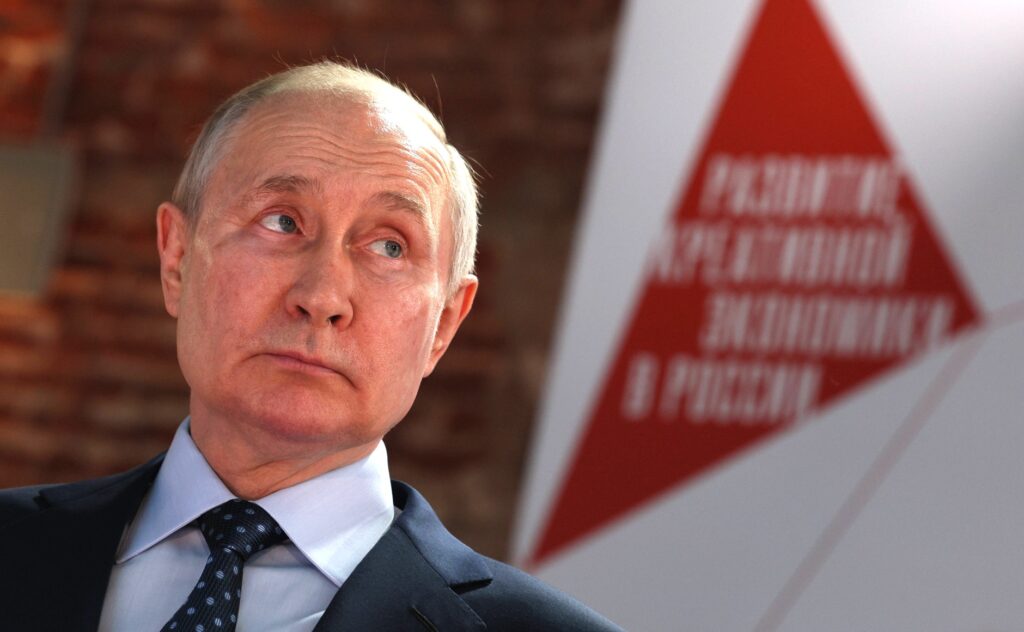
On 9 October, Donald Trump announced an agreement with Vladimir Putin under which Russia would supply diesel fuel to US and global markets.
According to Reuters, Washington presented the decision as an attempt to bring down high fuel prices. At the same time, the US Treasury temporarily eased sanctions restrictions on Russian diesel by issuing a licence authorising certain transactions involving the fuel. Kyiv sharply criticised the move, while European officials also raised concerns that it could weaken economic pressure on Moscow.
The central question is now whether the White House’s attempt to address an immediate domestic fuel problem could undermine the wider system of economic pressure on Russia.
The agreement envisages substantial volumes of Russian diesel entering US and global markets. According to Reuters, Donald Trump announced specific figures: Moscow would release more than 300,000 tonnes of fuel immediately, another 500,000 tonnes in November and a further one million tonnes shortly afterwards. However, these figures represent announced supply commitments rather than confirmed physical deliveries.
The US Treasury also issued General License 135, authorising certain transactions involving the sale, delivery, offloading and importation of Russian-origin diesel. Reuters reports that the licence permits such transactions until 7 April 2027.
For Moscow, the agreement appears to carry broader significance. Kremlin envoy Kirill Dmitriev told Reuters: “There are many other opportunities for economic and investment cooperation with the US that benefit Russia, the United States, and global markets alike.”
His remarks suggest that Russia sees the agreement as more than a temporary energy measure. For the Kremlin, it could become a starting point for a broader revival of economic dialogue with Washington.
The main reason Washington has taken this step is economic: the administration is trying to contain a sharp rise in fuel prices. According to AAA figures cited by Reuters, the average US diesel price reached around $6.28 per gallon in early October, close to record levels.
Reuters links the surge to a severe global fuel supply crunch intensified by the wars in Ukraine and Iran. High energy costs are also creating political difficulties for the Republican Party ahead of the 3 November midterm elections. Rising diesel prices are particularly painful for important Republican constituencies, including farmers, truck drivers and rural voters.
However, analysts remain doubtful that Russian supplies can provide a lasting solution. “It’s clearly not a fix, but another stream to aid a very tight diesel market,” Wood Mackenzie analyst Jim Mitchell told Reuters.
In economic terms, the effect of the agreement therefore remains uncertain. Politically, however, the decision to ease pressure on Moscow has already triggered fierce international debate.
For Kyiv, the agreement carries not only economic but also strategic risks. Reuters reports that Volodymyr Zelenskyy described allowing Russia to sell diesel as an “investment in war”, arguing that additional energy revenues would give Moscow more resources to continue its military campaign.
Tensions increased further after Donald Trump announced an “energy ceasefire”. Associated Press reports that Russia continued striking Ukrainian energy infrastructure, while Kyiv said it had been denied its usual Western intelligence on Russian ballistic missile attacks and faced new restrictions on its use of US-made Starlink communication terminals. Trump, meanwhile, has said that the United States has not stopped sharing intelligence with Ukraine.
“It’s painful when President Trump chooses one side, not our side. But we are OK that he’s in the middle,” Zelenskyy said in an interview with Piers Morgan, as cited by AP.
The significance of the diesel deal goes beyond one shipment of Russian fuel. Western energy sanctions have been designed to reduce the revenues available to Moscow for financing its war. The European Commission says EU payments for Russian energy in 2025 were 85% lower than in 2021 and describes its sanctions as measures intended to constrain Russia’s ability to fund the war effort.
The timing is particularly sensitive for Kyiv. Reuters reported that US officials presented the diesel agreement to Ukrainian representatives as an attempt to “soften” Moscow and encourage Vladimir Putin to return to negotiations. At the same time, Washington asked Ukraine to suspend strikes on Russian oil refineries as a gesture of goodwill, despite there being no confirmed reciprocal ceasefire.
Zelenskyy has questioned whether economic concessions to Moscow can genuinely change Russia’s behaviour. “Gifts to Putin will not bring peace or any benefit to the civilised world,” he said after the diesel agreement was announced.
Ukraine is being asked to limit attacks on infrastructure linked to Russian energy revenues while Moscow is being given renewed access to international fuel markets.
On 15 October, Ukraine resumed strikes on Russian oil-refining infrastructure after Zelenskyy said the brief truce was over. The Russian diesel decision has also exposed divisions within the American political establishment. On 13 October, a bipartisan group of twelve senators urged Donald Trump to reverse the agreement and restore tougher economic pressure on Moscow.
“This deal is a gift to our adversary and a betrayal of our Allies; it should be rescinded,” the senators wrote in a letter published by the US Senate Foreign Relations Committee.
London has taken a noticeably tougher position. Speaking in the House of Commons on 12 October, Andy Burnham said that “the quickest way to get it back onto world markets without rewarding the aggressor is an energy ceasefire”.
The divergence became even clearer on 15 October. Reuters reports that British Finance Minister John Healey called for tighter restrictions on shipping services that support Russia’s so-called shadow fleet. At the same time, the Trump administration is considering easing sanctions on some previously blacklisted vessels so that they could transport non-sanctioned oil and help reduce record-high freight costs.
The approaches taken by London and Washington towards economic pressure on Moscow are therefore increasingly diverging.
Washington presents the Russian diesel agreement as a practical response to soaring fuel prices, but its implications extend far beyond the American energy market. The White House has eased part of the sanctions regime at a time when Kyiv, London and a bipartisan group in the US Congress are calling for stronger economic pressure on Moscow.
For Washington, the diesel agreement may be an attempt to address an immediate domestic economic problem. For Ukraine and its European allies, however, it raises a much larger question about the future of Western pressure on Russia.
"The rule of law is in jeopardy" according to leading human rights expert
The European Foreign Ministers have issued a joint statement condemning Iran’s violent attacks, but does a statement go far enough?

Ferrexpo’s $100m fundraising highlights the changing relationship between Ukraine’s business elite and the state, as war, economic disruption and institutional reforms reshape the country’s political and commercial landscape.

As Britain brings business leaders into Whitehall for briefings on Russian threats, Ukraine offers an extreme case study in how companies keep operating when power, logistics and digital
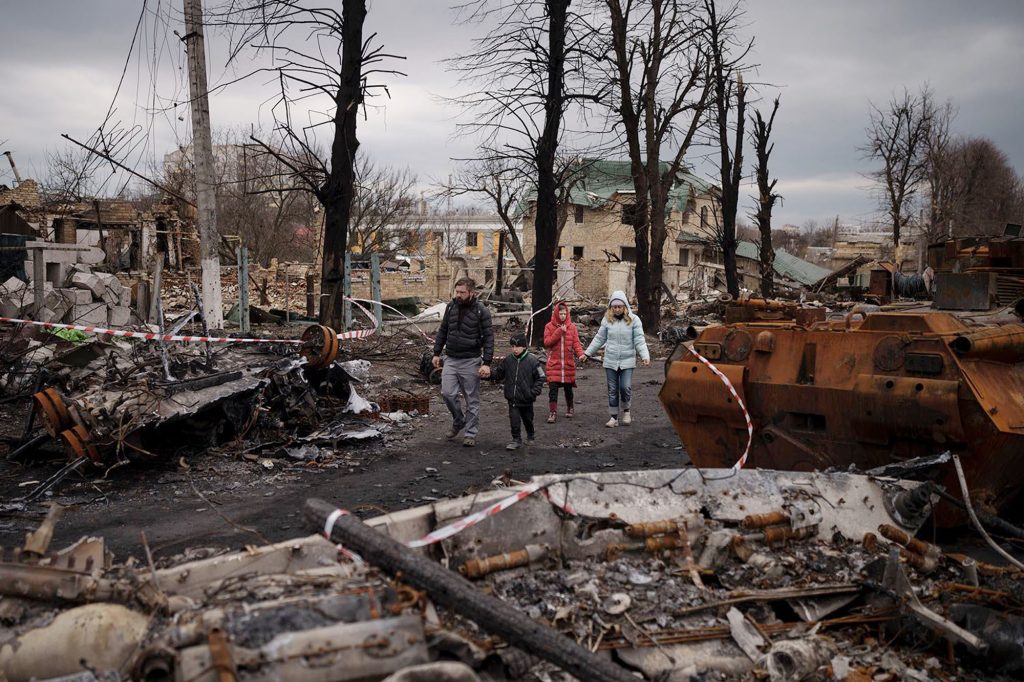
Russia has opened a new legal front against the EU over its frozen sovereign reserves.
Europe may already be entering a new phase of confrontation with Russia, one in which the distinction between peace and conflict becomes increasingly difficult to identify.
Ukraine’s wartime technology sector is moving beyond the battlefield, as the government looks to turn advances in defence tech, AI and digital infrastructure into exports, investment and international

As the UK commits further funding to Ukraine’s reconstruction, British companies are expanding their involvement in energy, finance and defence, creating new opportunities for long-term economic cooperation.

The Prime Minister’s first foreign visit was a welcome act of solidarity. But for Ukraine, British friendship will be judged by whether it can help unlock the air
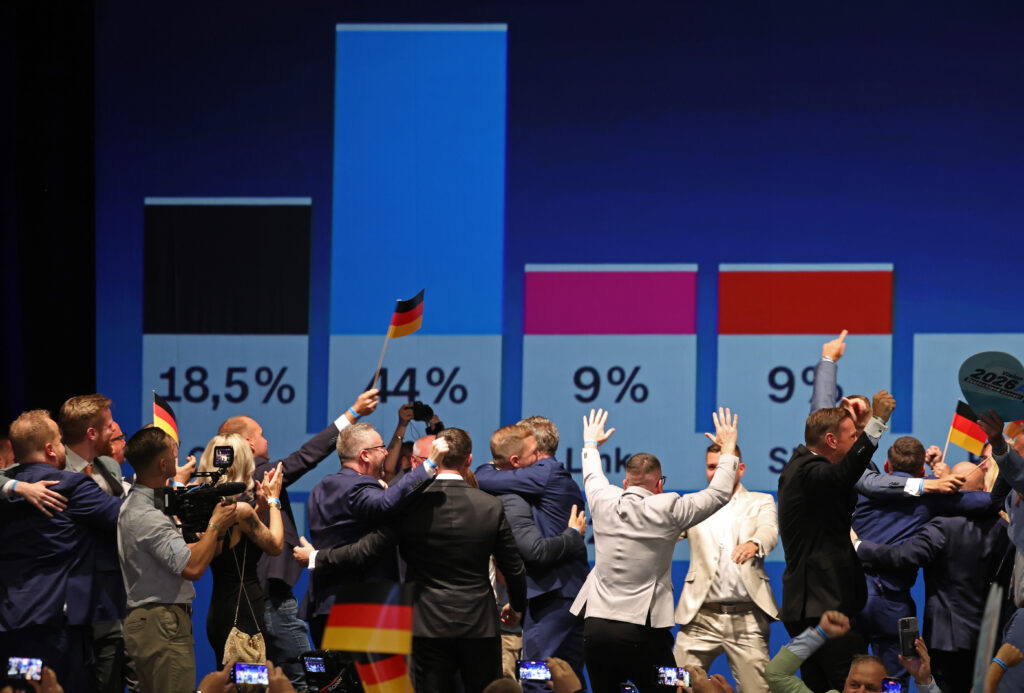
After walking through Saxony, James Jeffrey is not surprised by the AfD’s dramatic election win in Germany.