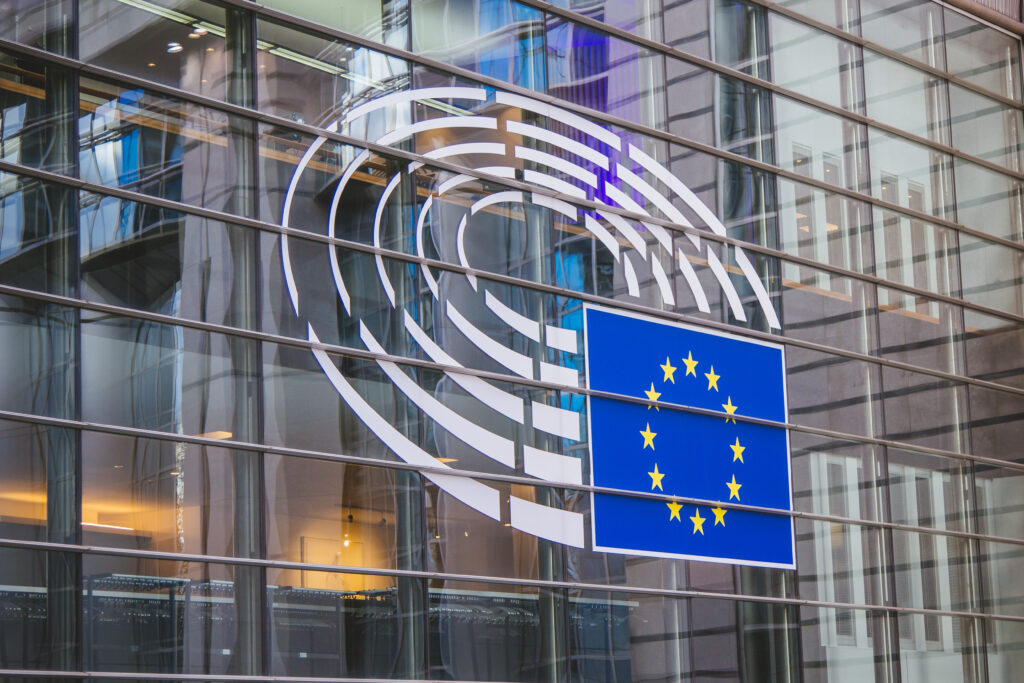
EU Weighs Seizing Frozen Russian Assets to Fund Ukraine’s Reconstruction
EU eyes €200 billion in frozen Russian assets to rebuild Ukraine—risking legal battles and global financial shockwaves.

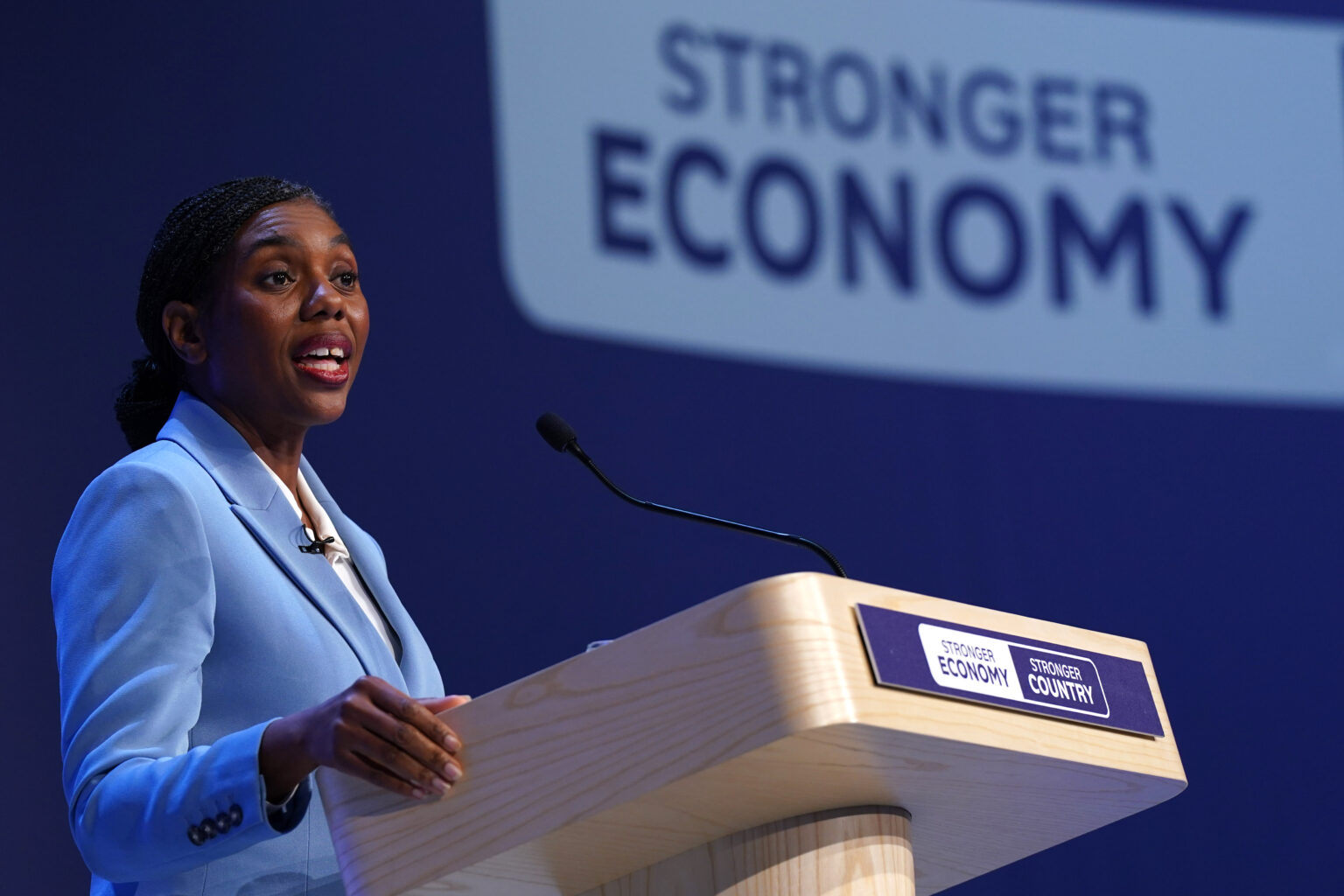
In contrast to last year's Tory conference, Kemi Badenoch is coming out guns blazing, not the least when it comes to defence, says Flora Watkins
But first, we need to talk about defence expenditure. Because we face potentially the gravest threat to this country since the 1930s, and not enough politicians are doing so. Reform is still yet to appoint a defence spokesperson. Yes, the Shadow Foreign Secretary, Tom Tugendhat has been banging the drum on defence spending, urging the UK government to increase it to 2.5% of GDP and beyond to address what he’s called a ‘dangerous pre-war environment’.
The Chancellor, John Healey, helped bring down Sir Keir Starmer over his failure to raise defence spending to 3% by 2030. Yet now he and the Prime Minister have booted any 3% spending commitments not so much into the long grass as over the fence into a tangled, rewilded field, saying they’ll meet the NATO target of 3.5%… by 2035. This as Andy Burnham squanders money needed desperately elsewhere on his ‘No.10 North’ vanity project. Given that both Burnham and Healey know they’ll be long gone by 2035 — and the smart money is on 2030 for a major escalation of war — this is a scandal of terrifying proportions.
This government treats the Services with contempt: imagine you’re a British soldier who’s been deployed with NATO in Estonia. You come home on leave to find that your new boss is none other than… ‘Mr NHS’, Wes Streeting. Not so much a slap in the face as a sucker punch. As Lord Dannatt, former Chief of the General Staff has said, ‘Defence is a complex portfolio. Streeting knows the square root of nothing about [it].’
“Unlike the 1930s, there’s no Churchill banging his head against the wall and banging on in the Commons about the threat to the West”
Meanwhile, Putin prods ever harder at Article 5, NATO’s collective defence guarantee. In recent months he has ramped up the provocation, from violating air space with drones and fighter jets to the possibility of civilian targets at Leipzig airport. So here’s the thing: given the enormity of the threat we face 3.5% of GDP is lamentably short. Defence sources tell me that 5.5% is what’s needed — with that, ideally, ramped up to 6% pretty sharpish.
We are, apparently, no. 29 on what’s known colloquially as NATO’s ‘shit list’ of defence spending. Only Iceland, which has no standing army, spends less than the UK as a share of GDP among NATO’s outliers. But that comparison flatters us: the UK, at around 2.4% of GDP, still trails more than a dozen other allies, including France, the Netherlands and Sweden.
“But there’s hope. Conservative leader Kemi Badenoch is sharpening her elbows and going where this supine government won’t”
Any GCSE history student could tell you about the dangers of appeasement. Yet what we’ve seen, since Putin annexed Crimea in 2014, amounts to annihilation by a hundred Munichs. But unlike the 1930s, there’s no Churchill banging his head against the wall and banging on in the Commons about the threat to the West.
Once again, we desperately need that once-in-a-generation leader. But what we’ve got is ‘An-deh’, with his short shorts, dad jokes and performative Northern chumminess — when what’s needed is gravitas, clear-sightedness and the will to plough money into defence like it’s 1939.
But there’s hope. Conservative leader Kemi Badenoch is sharpening her elbows and going where this supine government won’t. ‘Conflict is coming and we must act now,’ she said earlier this month, launching a fusillade against the PM’s inaction and committing a Conservative government to meeting the 3% figure (around £10 billion a year) by tackling the bloated welfare budget. The housing budget and Motability scheme are in the firing line, and she’d bring back the two-child benefit cap.
Under sustained attack by his opposite number at PMQs, Burnham made the facile statement that ‘national security cannot come at the expense of social security’. But a serious Russian attack on NATO is now surely as inevitable as tanks rolling into Poland after the Molotov-Ribbentrop pact. So who could possibly object to removing the VAT exemption from a Motability Cupra Terramar — and putting it towards some drones to send to Putin? Failure to do so is criminally irresponsible.
Increasingly, Kemi looks like a prime minister in waiting, with an uptick in her personal popularity — although the shower of a party she inherited still languishes in the polls.
Crucially, she’s popular with the military, too, for her ballsy rhetoric and realpolitik and for now coming out all guns blazing. Announcing former rifleman, Stuart Anderson as Shadow Minister for War Readiness was another brave step forward. ‘Why are there two ‘Fs’ in Ffion?’ went the old Tory joke. ‘Because there’s no ‘effin leader.’ (With due apologies to the now esteemed elder statesman, Lord Hague). A steely, unflinching woman beloved by HM Forces at the helm at a time of military crisis. Now who does that remind you of?
EU eyes €200 billion in frozen Russian assets to rebuild Ukraine—risking legal battles and global financial shockwaves.
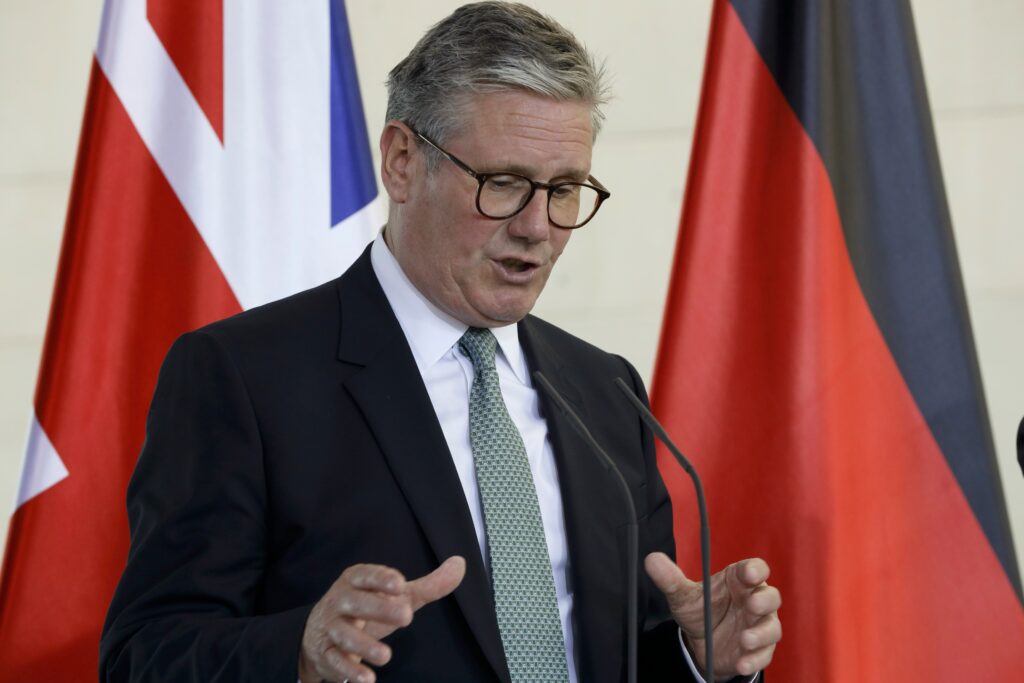
Keir Starmer sparks fierce debate by cutting UK aid to ramp up defence spending, redefining Britain’s global role amid rising geopolitical tensions.
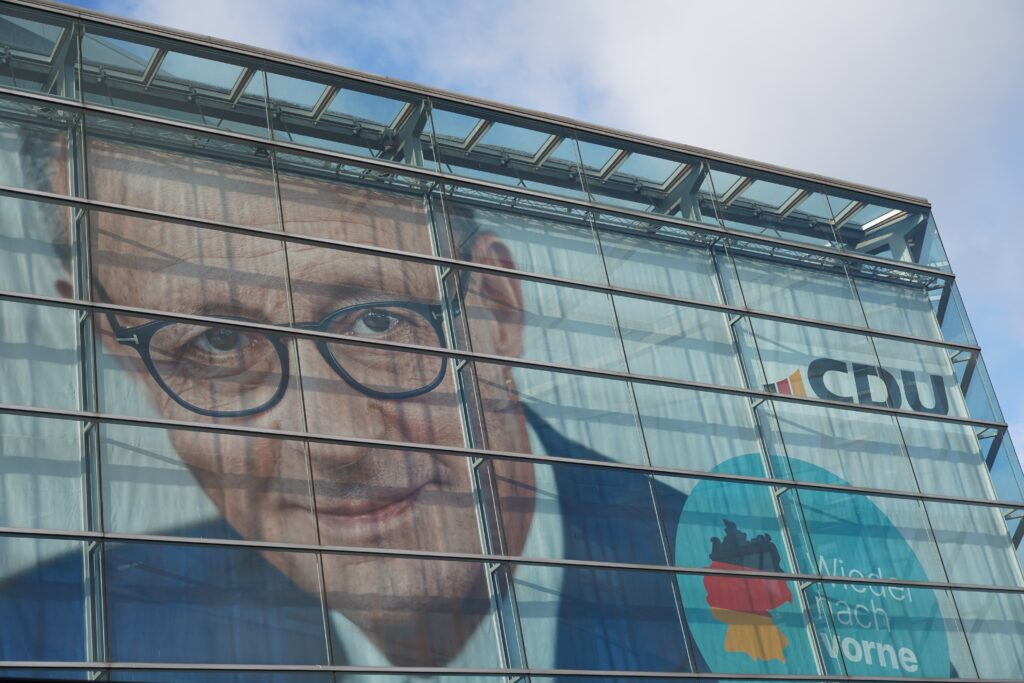
Merz’s CDU/CSU secures a pivotal win as Germany braces for complex coalition talks and a new political era.
Pope Francis’s severe health crisis fuels succession speculation, intensifying internal Church divisions.

World leaders gather in Munich to tackle escalating global security threats, from Ukraine to NATO burden-sharing.

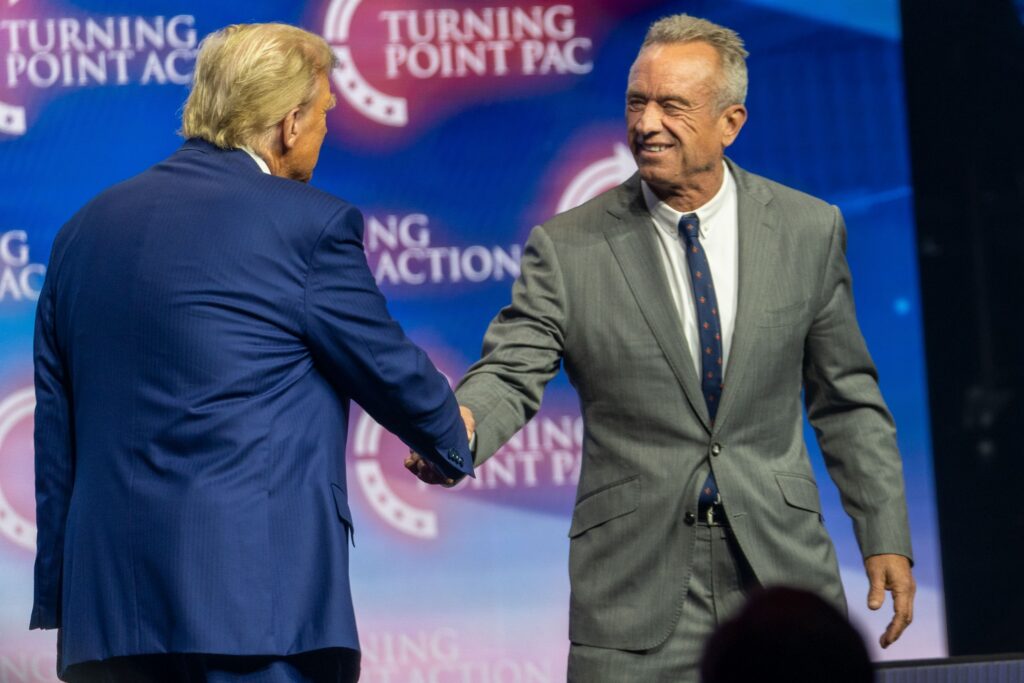
Robert F. Kennedy Jr. narrowly confirmed as HHS Secretary after fierce Senate showdown over his vaccine stance.
Vice President JD Vance arrives in Paris this week for the AI Action Summit, marking his first major foray into international diplomacy.

Belgium’s new PM Bart De Wever pushes back against EU overregulation, calling for a pro-business shift to boost Europe's competitiveness.

Far-right leaders unite in Madrid, vowing to reshape Europe with nationalist policies and Trump-inspired rhetoric.

President Donald Trump hosted Japanese Prime Minister Shigeru Ishiba at the White House to discuss trade and security, including the U.S.-Japan trade deficit, Nippon Steel's investment in U.S.
