German election 2025: Conservatives surge as Merz paves the way for a new political era

Thomas Edwards | 24th February 2025 | Uncategorised
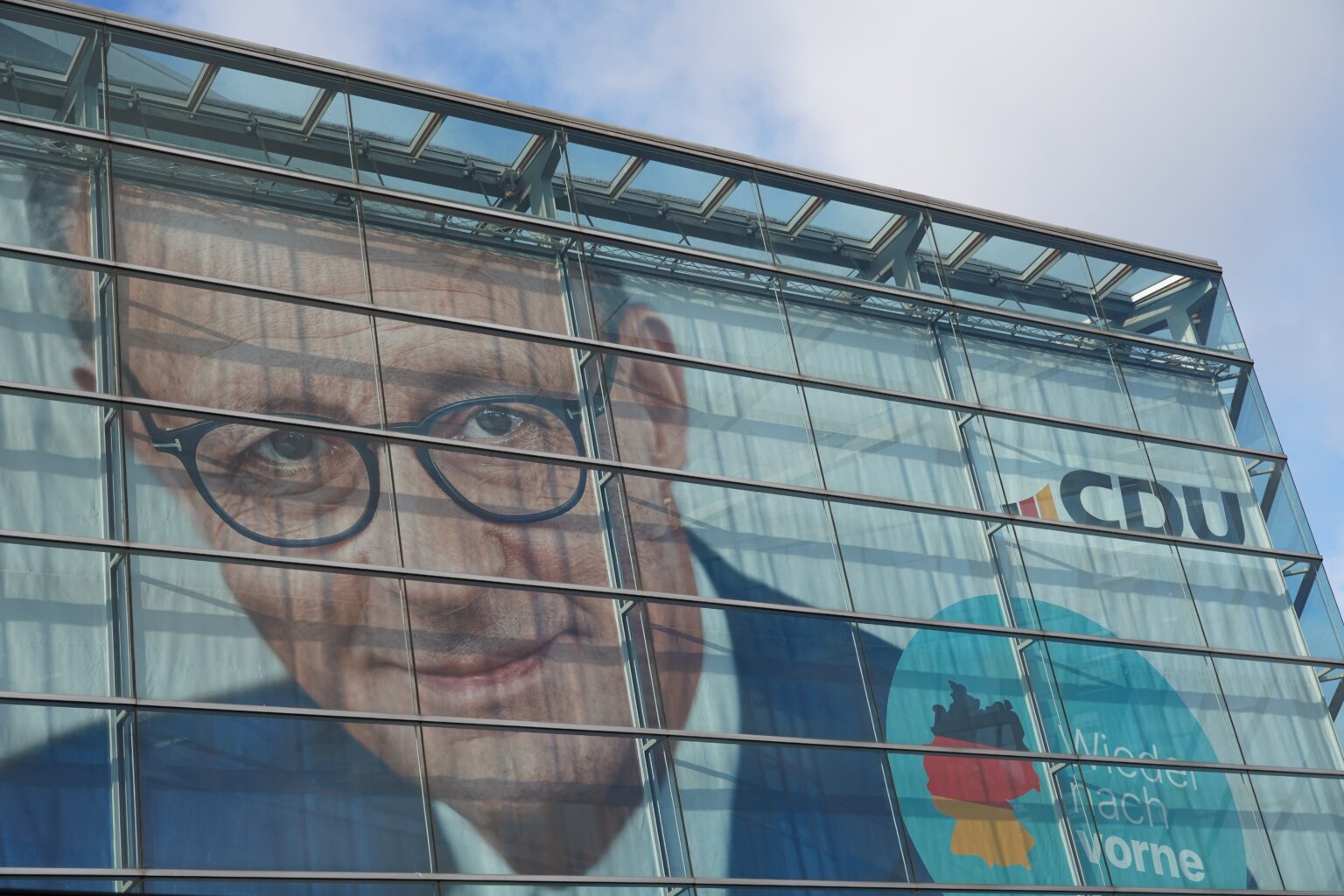
Berlin,,Germany,-,January,8,,2025:,Large,Banner,At,The

Merz’s CDU/CSU secures a pivotal win as Germany braces for complex coalition talks and a new political era.

BERLIN – In a dramatic shake‐up that has rattled Germany’s political establishment, conservative leader Friedrich Merz has emerged as the unlikely victor in the snap national vote, setting the stage for a seismic realignment in the country’s parliamentary dynamics. Voters turned out with record enthusiasm – a turnout hovering between 76 per cent and 82 per cent depending on the ballot type – and the results painted a picture of both continuity and change. Although the Social Democrats (SPD) maintained a solid showing with roughly 25.7 per cent in the party list vote, it was the CDU/CSU bloc, under Merz’s steely leadership, that secured crucial wins in key constituencies. In direct votes the conservative camp captured 28.5 per cent, a figure that proved decisive in translating public support into the mandate required to form the next government. The latest figures reveal a deeply fractured political landscape. Traditional powerhouses now face stiff competition from a diverse field. The Greens, enjoying a respectable 14.7 per cent in the party vote, continue to command the urban vote and environmentalist zeal. Meanwhile, the Free Democratic Party (FDP) polls at around 11.4 per cent, and the far‐right Alternative for Germany (AfD) has managed to secure 10.4 per cent in the party vote and an even more impressive 20.8 per cent in constituency contests. This dual‐track outcome underscores a key challenge for Germany’s political class – reconciling the divergence between proportional party list results and the direct mandate figures that ultimately dictate the composition of the Bundestag. With coalition talks looming, these disparities may force parties into complex negotiations, each faction striving to maximise its leverage in the post‐election landscape. Friedrich Merz’s ascendancy is more than a numerical victory – it symbolises a fundamental shift in Germany’s policy direction. Long considered a marginal figure, Merz has reinvented himself as the embodiment of conservative renewal. International leaders such as Zelenskyy, Netanyahu and Macron were quick to extend their congratulations, with his win being hailed as a mandate for change, particularly in foreign policy. In recent interviews Merz hinted at a recalibration of Germany’s transatlantic ties, suggesting a more autonomous approach to international affairs. “We must navigate a global order that is no longer defined by the post–Cold War consensus,” he declared, a sentiment that resonated with voters disillusioned by decades of centrist stagnation. Despite the clear signal from the electorate, government formation is far from straightforward. The figures indicate that no single party can command an outright majority. For Merz and the CDU/CSU, the challenge now lies in forging a coalition capable of bridging ideological divides – from the centrist pragmatism of the FDP to the progressive priorities of the Greens, and even managing the disruptive potential of the AfD’s growing appeal. Political insiders warn that the coming weeks will be a crucible of compromise and strategic manoeuvring. With the SPD’s strong performance and persistent populist undercurrents represented by the AfD, any coalition agreement will require painful concessions and a careful balancing act to maintain both domestic stability and international credibility. The election comes at a time when Germany’s role on the world stage is under intense scrutiny. The country’s pivot away from long‐standing alliances – particularly with Washington – is now more than mere rhetoric; it is a policy trajectory that will shape Europe’s geopolitical landscape for years to come. Analysts suggest that Merz’s victory could be a bellwether for a broader shift, one in which traditional alliances are reexamined and Germany’s commitment to multilateralism is tested by domestic pressures. Live coverage from BBC’s election updates captured the palpable excitement and apprehension in Berlin’s streets. Voters and experts alike described the atmosphere as one of cautious optimism, tempered by uncertainty about what a new political order might bring. As Germany stands at this crossroads, the world watches closely, aware that the outcome will reverberate far beyond its borders. The German election of 2025 is more than a contest between parties – it is a referendum on the country’s future direction. With Friedrich Merz at the helm, the conservative camp now faces the formidable task of uniting a fractured electorate and steering Germany through a rapidly evolving international landscape. As coalition talks begin in earnest, all eyes will be on Berlin to see if this new political configuration can deliver on its promises of reform, renewal and a reimagined role for Germany on the global stage....

Subscribe to The Mace

Join the member community shaping British politics and stay ahead of what's really happening in the world of politics and public affairs, with expert analysis, breaking news, and insider insights from Westminster and Brussels. The Mace is the leading news source and resource for the government affairs industry, offering required reading and lobby intelligence for professionals.

To see what you are missing out on by not subscribing to The Mace, click here to download our full membership info-pack. This includes having no paywall on op-ed content or profiles/interviews, allowing professional profiles to be read with maximum impact and visibility by government, special advisers, MPs, peers, civil servants, and policy and political decision-makers.

Kemi’s true blue purge, with help from Sir Philip May

William Cash | July 26, 2026

The news that former Home Secretary Sir Grant Shapps has failed to make the new Tory candidate list has put fear into dozens of former Conservative MPs. Whether

UK ‘global investor’ visa proposed by lobby group to bring back UK’s non-doms

Lucy Carrier-Pilkington | April 23, 2026

New 'global investor visa' proposed by lobby group as UK struggles to attract the super-rich

London Elections latest polling: Green gains and Labour out

Lucy Carrier-Pilkington | April 22, 2026

Latest polling from YouGov suggests major gains for Greens and Reform UK in the capital.

Greens win Gorton and Denton

Oliver Dean | February 27, 2026

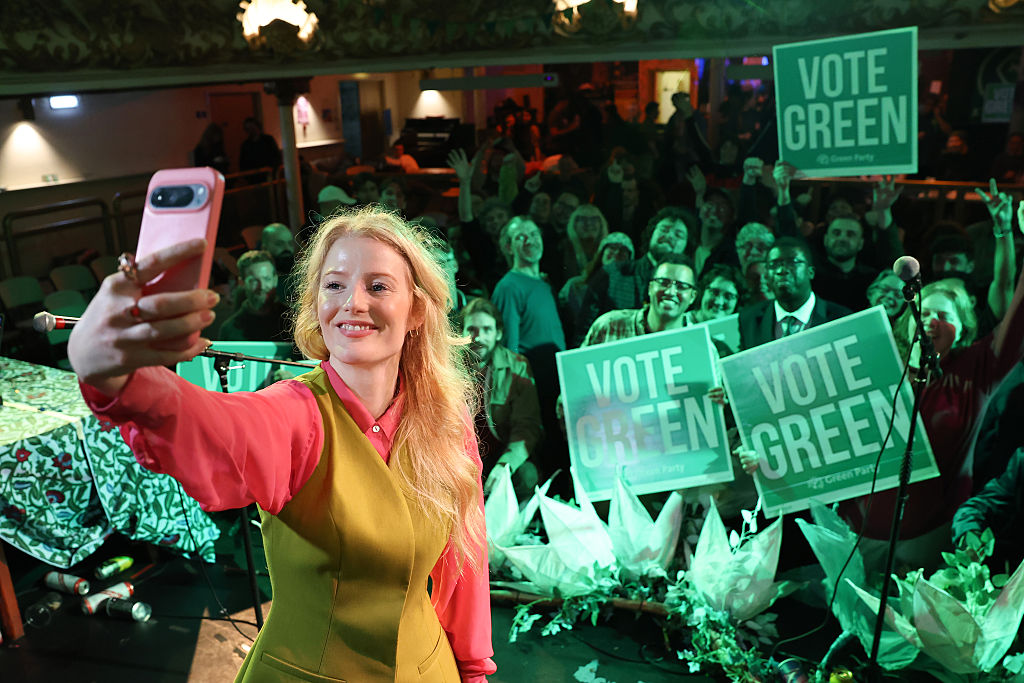
The Green's victory reflects a changing mindset in British politics
Green Party leader gets new communications advisor

Oliver Dean | February 17, 2026

Polanski's new communications advisor shows that the Green Party leader is serious about his public image.

Trade body describes the Government’s new electric HGV plan as a ‘monumental challenge’

Oliver Dean | February 17, 2026

With only 1 in 70 new HGV's being electric, the government must assist with infrastructure investment says industry leader

Blakeney bolsters its team with new additions

Madeline Dabbah | February 13, 2026

Blakeney has welcomed former drinks company Oatly managing director Tim Knight and pro-Brexit MEP Lucy Harris, in an effort to strengthen their position, the public affairs and strategic

Hanbury goes global

Oliver Dean | February 13, 2026

Hanbury's decision to erect offices in Washington and Sydney showcases the firms' strong public image.

Mandelson’s lobbying firm in disarray as CEO departs

Oliver Dean | February 6, 2026

Benjamin Wegg-Prosser, who co-founded the lobbying firm Global Counsel alongside Peter Mandelson has today resigned following significant backlash regarding the firm’s link to Jeffrey Epstein.

Russell Group turns to public policy veteran for next phase of university lobbying

Thomas Edwards | January 21, 2026

The Russell Group has picked Professor Libby Hackett, an Australia based public policy specialist, as its next chief executive, handing the UK’s most influential research university lobby to