UK eyes higher NHS drug prices amid U.S. pharma pressure

Mace | 27th September 2025 | Uncategorised, Washington
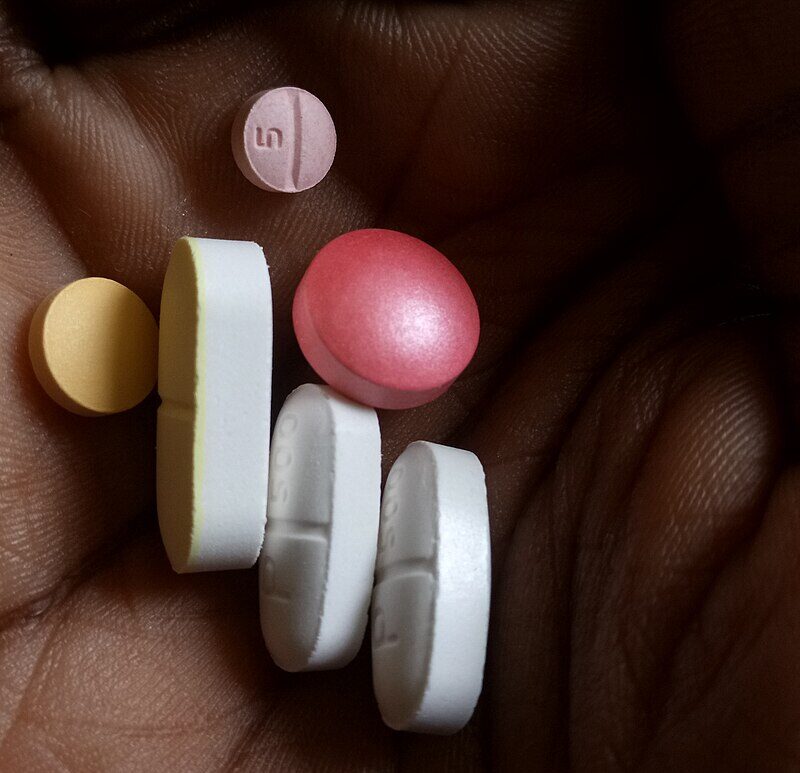
Common_Diabetes_oral_medication

The UK government is reportedly prepared to allow higher NHS medicine prices to defuse U.S. threats of 100 percent tariffs on branded drugs. The shift comes as pharmaceutical firms balk at rebate regimes and paused investment. Ministers are in talks with Washington and mulling reforms to cost‑effectiveness metrics.

Prime Minister Keir Starmer’s government is reportedly poised to accept higher NHS drug prices as part of a broader effort to head off pressure from U.S. pharmaceutical policy demands. The move comes amid threats by President Trump of punitive tariffs on branded medicines unless companies lower U.S. prices or shift production to American soil. Late this week sources said the UK would allow price increases for certain medications to offset revenue losses that drugmakers might face under Trump’s pricing demands. That shift signals a departure from long‑standing UK practice of aggressively negotiating down drug costs for the NHS. The background to the move is a sweeping U.S. tariff threat. Starting October 1, the U.S. intends to impose 100 percent tariffs on branded pharmaceutical imports from firms that have not established manufacturing in the U.S. Britain is currently not shielded by existing trade agreements that cap tariffs on EU exporters because its pharma tariff rules remain unresolved.  Officials in London say they are pressing the U.S. for a more favourable outcome. Earlier tension had already surfaced between government and industry. The current UK drug pricing framework faces growing dissent from pharmaceutical firms frustrated by rebate schemes and caps.  In August, Eli Lilly announced a 170 percent hike in the UK list price for its weight‑loss and diabetes drug Mounjaro, triggering alarm about the sustainability of low prices. At the same time, major firms including Merck and AstraZeneca have paused planned investments in UK operations due to what they describe as deteriorating returns under current pricing rules. In response government officials have begun hinting at reform. The science minister has publicly suggested reconsideration of how drug value is assessed, including revisiting metrics that inform NHS cost‑effectiveness evaluations. A fund has also been launched to attract large life sciences projects. Despite these gestures, the government has not officially confirmed that it will pay more across the board. A spokesperson emphasised that the U.K. remains in “constructive dialogue” with both the U.S. and industry, stressing that any adjustments must balance innovation with value for taxpayers. Even so, the reported willingness to raise NHS drug prices marks a stark pivot in posture toward pharmaceutical companies. That posture has been spurred in part by growing fear of the impact of U.S. demands. Some analysts warn that unless the UK concedes, companies may deprioritise the British market, delay new drug launches, or reallocate R&D investment elsewhere. The challenge for Starmer’s government is to navigate a path that avoids shipping costs upward for taxpayers or patients while keeping the UK competitive in life sciences....

Subscribe to The Mace

Join the member community shaping British politics and stay ahead of what's really happening in the world of politics and public affairs, with expert analysis, breaking news, and insider insights from Westminster and Brussels. The Mace is the leading news source and resource for the government affairs industry, offering required reading and lobby intelligence for professionals.

To see what you are missing out on by not subscribing to The Mace, click here to download our full membership info-pack. This includes having no paywall on op-ed content or profiles/interviews, allowing professional profiles to be read with maximum impact and visibility by government, special advisers, MPs, peers, civil servants, and policy and political decision-makers.

Don’t give up the day job

Mace | October 8, 2020

The legal profession is outraged by attorney general Suella Braverman's response to the internal market bill

Swire swag

Mace | October 8, 2020

What do Sasha Swire and Gareth Bale have in common?

Ed for business

Mace | October 8, 2020

Sir Ed Davie has been hard done by at the green-energy firm he consults for

Mystic Murdoch

Mace | October 8, 2020

Murdoch still has his finger on the pulse of politics

Meet the Grandfather of the House

Mace | October 8, 2020

Everyone knows about the Father of the House but you may not have heard that the self-styled ‘Grandfather of the House’ is Sir Bill Cash – now the…

In the doghouse

Mace | October 7, 2020

Lisa Cameron's most disappointing moment in the chamber

Act Fast to Fix the Homeless Crisis

Mace | October 5, 2020

As the government’s emergency housing programme, Everyone In, winds down, the homelessness sector is on high alert for a rise in rough sleeping

Front and Centre of Brussels Hospitality

William Cash | October 5, 2020

Contemporary, quirky and classic, William Cash reviews the Hotel Amigo - a converted 16th-century prison with an award-winning Italian restaurant.

Cultural Fears and Condescension Brought on Brexit

Damian Collins MP | October 5, 2020

Brexitland: Identity, Diversity and the Reshaping of British Politics, by Maria Sobolewska and Robert Ford, reviewed by Damian Collins

Clashing Tribes: The Longevity of ‘Us’ and ‘Them’ Politics

Mace | October 4, 2020

Whatever you think of identity politics, the social battleground between ‘Us’ and ‘Them’ is here to stay, argues Robert Ford.