Whitehall grinds to a halt after resignation chaos
Senior advisor warns that the change of prime minister is a “colossal waste of energy”, as the business of politics comes to a standstill.

Debate has erupted over whether the new policy is an overdue attempt to rein in Silicon Valley or a short-sighted, politically motivated move that will push children towards less regulated corners of the internet.
Under-16s in the UK will be banned from using social media by spring next year, Prime Minister Keir Starmer announced on Monday. This landmark policy is likely to be his most popular yet across Westminster and the public, as it aims to ‘give children their childhood back’. However, questions of how the ban will work in practice as well as potential loopholes that could undermine it loom over the issue.
Under this ban, children will be blocked from accessing some of the largest and most addictive social media platforms, including Snapchat, YouTube, and TikTok. Platforms deemed “less risky” such as WhatsApp, Signal and Pinterest will still be allowed. Children will also be stopped from communicating with adults online and livestreaming themselves. Furthermore, people under 18 will be banned from using AI chatbots with romantic or sexual features. Apple and Google will be given the responsibility to carry out age checks or risk fines of up to 10% of their global annual revenue.
To prevent a ‘cliff edge’ scenario for those aged 16 and 17, there may also be protections in place to try and give late teens a healthier experience of social media. In this instance, the government is considering a ban on infinite scrolling and a curfew on nighttime use. The government also recently gave Apple and Google a three-month ultimatum to come up with a plan to stop children from seeing explicit images on their devices.
Ahead of the Makerfield election this week, which may fast-track Andy Burnham to the top office of Westminster, Starmer insisted that the ban is “bigger than the usual to and fro of politics” and was a “huge issue for the country” rather than “about any one individual”.
A spokesperson for Smartphone Free Childhood told Mace: “It is an important reset for childhood in the UK, and a clear signal that childhood can still be shaped by families and communities, not just by the commercial interests of a handful of technology companies in Silicon Valley.”
“Two-thirds of young people agreed that children under 16 should be blocked from using at least some social media platforms”
The reaction to the ban has broadly been positive. The government said nine out of 10 parents who had responded to the consultation on social media were supportive of the ban. Furthermore, two-thirds of young people agreed that children under 16 should be blocked from using at least some social media platforms.
However, there has also been criticism that the ban has been rushed in and will not tackle the root problems. Ian Russell, the father of Molly Russell, who committed suicide aged 14 after being exposed to toxic online content, said the announcement was a “rush job” and an “ineffective” solution which “won’t take long to start unravelling”.
In a similar vein, the Duke and Duchess of Sussex were supportive of the ban but warned “while measures such as these help reduce harm, they do not fix the problem at its source”.
Furthermore, a spokesperson for the Greens highlighted concerns that a blanket ban could leave some young people from specific demographics more isolated. They said: “Organisations including the NSPCC and the Molly Rose Foundation have warned that a blanket ban could leave some young people, particularly disabled and LGBTQIA people, more isolated and cut off from support.”
“The right diagnosis but the wrong prescription”
Furthermore, there has been severe pushback from big tech companies. A spokesperson for YouTube said the platform has invested in “expert-led, age-appropriate experiences and default protections for teens” and that “blanket bans push kids out of such curated, supervised, beneficial experiences and towards anonymous, less safe services.” Like YouTube, a Meta spokesperson warned that the bans risk isolating teens from online communities and information, driving them to unregulated alternatives. However, Technology Secretary Liz Kendall argued: “Tech companies have had countless opportunities to keep children safe, yet they have failed to act. That is why we are taking power away from the tech giants and putting it back in parents’ hands.”
The ban has also received criticism from Amnesty International that said the policy was a case of “the right diagnosis but the wrong prescription” and that “the problem is not that children exist on social media; it’s that social media companies have built platforms that are unsafe by design. Banning under-16s risks treating children as the problem rather than addressing the companies and systems that create the risks in the first place.”
The move to ban social media came after a public consultation which received more than 116,000 responses. A full report on the consultation will be released by the government next month. The criticisms that have already been highlighted regarding the social media ban are a cause for concern. While most agree it is what is best for the health and wellbeing of children, it must be carried out effectively. Young people, who have been raised in a world where they are constantly inundated with content, will naturally try to find a way to keep their online lives alive. Therefore, to protect children from being pushed into darker, more unregulated and less safe corners of the internet, it is the responsibility of the government and tech companies to develop the protocols surrounding this ban much further than they have. The impact of social media on children and teenagers is too significant for the issue to be addressed with a ‘rushed job’.
Senior advisor warns that the change of prime minister is a “colossal waste of energy”, as the business of politics comes to a standstill.
Love or hate the current American administration, at least they have a consistent electoral cycle where the choice of the electorate is upheld.
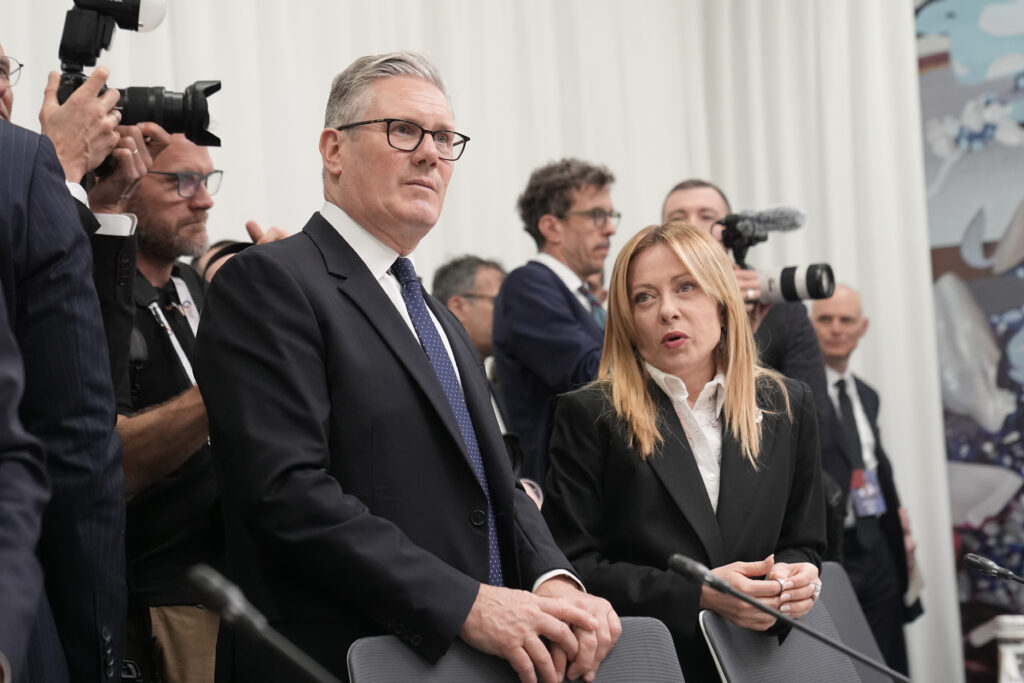
Sir Keir Starmer has announced that he will resign as Prime Minister and leader of the Labour Party, triggering a leadership process that now looks increasingly likely to

As vultures circle Downing Street, now that Burnham is back as an MP, Starmer must realise that resigning is going to be better for the Labour Party than

What will a Burnham government look like ? Lucy Carrier-Pilkington analyses what a change of prime minister will mean for the country and who will be the likely
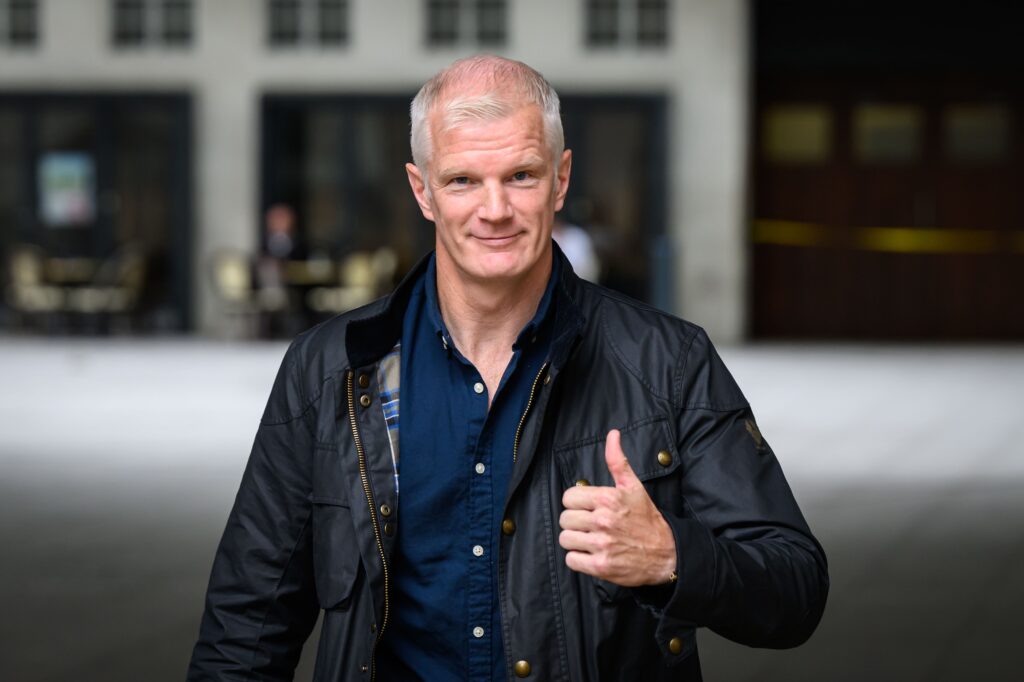
Ex-Royal Marines commando emerges as the plan B candidate in the race for Labour leadership.
With Restore and Reform tearing votes off each other, the Makerfield by-election could propel Andy Burnham into Number 10. But, asks William Cash, will Restore's percentage of the
Creating a Defence Industrial base with no new money is going to be a challenge for any Defence Secretary. But, argues defence expert William Wallace, there are several
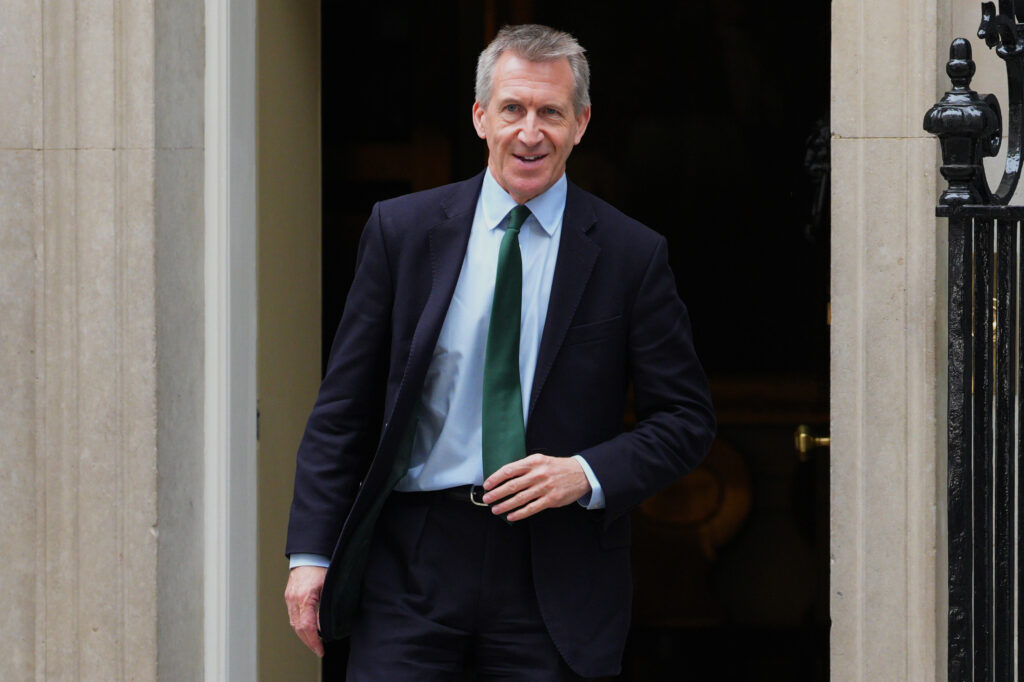
May’s local elections completely transformed London’s political landscape, argues CEO Jonny Popper.

The dismal results of reducing the police force in Scotland should act as a cautionary deterrent for English police reform, writes Sharon Dowey, a former member of the