Rewiring Whitehall: Dame Antonia’s burning desire for change
At tonight's LSE lecture, Dame Antonia Romeo, Britain's top civil servant promises a revolution, arguing there is a "burning" need for reform.

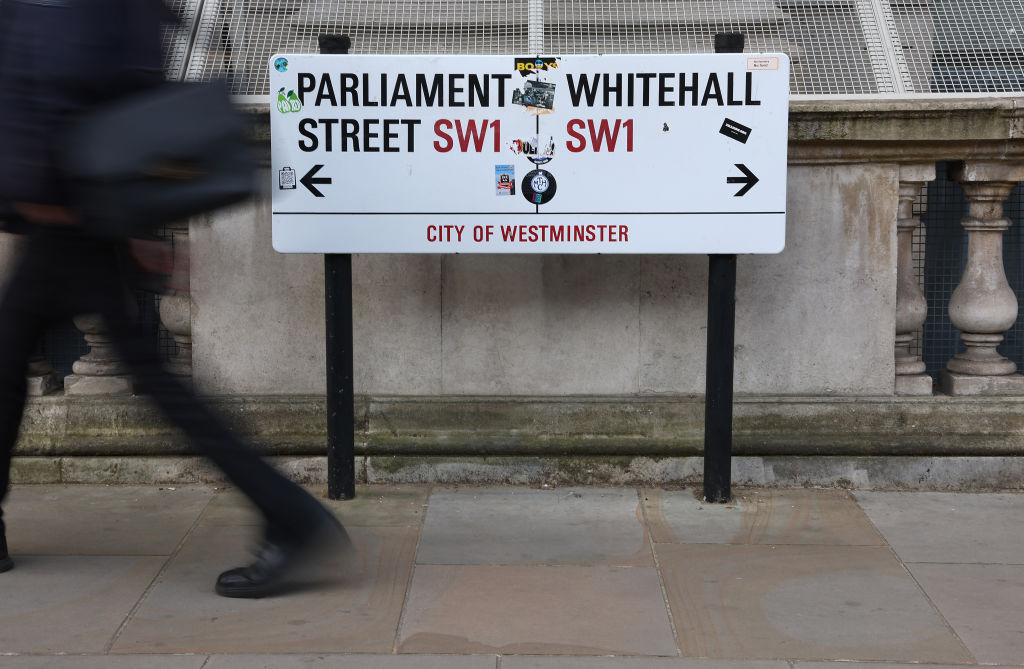
Senior advisor warns that the change of prime minister is a “colossal waste of energy”, as the business of politics comes to a standstill.
The business world has been raising the alarm regarding the impact of uncertainty in Westminster on corporations, economic efficiency and government operations.
Alex Depledge, a serial entrepreneur who was appointed by Chancellor Rachel Reeves as her advisor on entrepreneurs, has warned that the machinery of government has already been “frozen for six weeks”. She expressed that, due to the changeover, Whitehall would remain stalled for many months to come. Depledge said: “We are going to lose six months, at best, probably a year once you start to brief the new ministers coming in. It is just a colossal waste of energy. The British people deserve better.”
“The British people deserve better.”
The advisor made these comments the day after Sir Keir Starmer resigned as prime minister. Despite the in-party popularity of Andy Burnham, these comments are part of a new wave of criticism about the impact of the Downing Street revolving door on the government’s ability to make progress on key issues. Key initiatives that are already likely to be delayed until the next prime minister is appointed include a crucial EU summit that Starmer said would be an important step in resetting UK and EU relations.
Depledge expressed concerns about how this will impact the ability of those in Whitehall to do their jobs. She said: “It is about carving out what we can get done within the parameters in which we are allowed to operate,
“There is some stuff we can’t do any more, but there are other things you can.
“My biggest fear is that I have to spend another year trying to get new ministers and new people to understand the burning platform and the need to move at speed.”
The introduction of new ministers would likely lead to significant disruption across government, including changes among secretaries of state, junior ministers, special advisers, and private office staff. While many civil servants would remain in post, there would likely be considerable changes in ministerial teams and political appointments, requiring time and resources to recruit and establish new working arrangements. Furthermore, if Burnham and his cabinet were to introduce a different strategic direction for government, some of the work undertaken under Starmer’s administration could be deprioritised, revised, or abandoned. The creation of new government departments would also require substantial administrative capacity, staffing, and financial resources, potentially slowing the implementation of existing priorities.
“Civil servants are well versed in navigating moments of national change and this will be no different.”
Charity for Civil Servants CEO, Jonathan Freeman MBE said: “Knowing the Civil Service as we do I’m confident that our public servants will do what they do best, and professionally steer the country through this transition.
“Civil servants are well versed in navigating moments of national change and this will be no different.”
A snap general election could be bad news for the Civil Service, as Whitehall will enter purdah which is known as a ‘pre-election period of sensitivity’.This means that, until the outcome of the election is known, no new policy can be announced. While previously agreed policies can proceed, it puts a halt to innovation and policymaking within the civil service.
Whitehall has already been strained by repeated ministerial turnover during Labour’s time in government. Before Starmer’s resignation, 20 ministers had stepped down, with the departures of John Healey and Al Carns from defence roles representing particularly disruptive changes. Each resignation triggers a period of adjustment within departments, as officials must brief incoming ministers and adapt to their revised priorities. Prolonged political instability would risk exacerbating these inefficiencies, diverting resources away from policy deliver and slowing government decision-making.
The next impending changeover in government, which is likely to be substantial due to Burnham’s repeated promises of change, means that Whitehall is going to go through another substantial restructuring. The wheels of change will take time to turn. However, with Labour already nearly halfway through its term, it remains unclear whether the results will be felt before the next election.
At tonight's LSE lecture, Dame Antonia Romeo, Britain's top civil servant promises a revolution, arguing there is a "burning" need for reform.
Steve Hilton, David Cameron's one-time guru, has lost his bid to become California's first Republican governor in 20 years. So where does a man of so many reinventions

Trump told America to treat the midterms as a vote on him. It did. Now comes the reckoning, writes Mace editor-in-chief William Cash from California.

It sounds like a straightforward fix: fewer young people on benefits, more in work. But is the reality so simple?

A former Downing Street strategist is standing to be elected as the first Republican governor in 20 years. He's campaigning as if the polls are wrong.
The government has promised to ease energy bills while investing in Britain's energy future. But can it support North Sea production, expand clean power and meet climate commitments

After weeks of anticipation, Healey’s maiden budget looks to designed to re-assure the markets that Labour are fiscally responsible.

Ahead of the hotly anticipated Budget on Wednesday, Ella Beadman analyses what it could mean for welfare spending
The government has pledged billions more for Britain's military. But can it finance those promises without squeezing other public services?

With just a week until the first Budget of the Burnham government is released, Mace analyses what the Chancellor’s biggest challenges are and what taxes might be brought
