The right to survive climate change

Jeffrey Salim Waheed | 26th October 2021 | Comment
MAHIBADHOO, MALDIVES - DECEMBER 17: Concrete blocks are placed along the shoreline to try and prevent further coastal erosion, on December 17, 2019 in Mahibadhoo, Maldives. The Maldives is the worlds lowest lying country with a highest natural point of just 2.4 meters above sea level. As well as an increasing population, the nation faces a number of problems caused by climate change including rising sea levels, unpredictable weather, a shortage of drinking water, coastal erosion and declining fish stocks. With no rivers or streams on any of the islands, Maldivians have traditionally lived from fishing and except for Male and a handful of other islands, most islands rely on rain for drinking water and, increasingly, bottled water brought in from other islands. (Photo by Carl Court/Getty Images)

Maldivian diplomat Jeffrey Salim Waheed calls on Cop26 to enshrine the need for a human rights-based approach to tackling the climate emergency

In climate change diplomacy, the representatives of Small Island Developing States (SIDS) have always found allies in conservationists, technical experts and environmental scientists. We are the frontline in the fight to save our planet and through decades of declaiming empirical evidence and irrefutable facts, the cold reality of our predicament is now dawning upon humanity. Time and time again, I stand at podiums and lose myself in the eyes of a member of the audience coming to terms with that reality. I walk into rooms where researchers and scientists offer commiserations, lamenting how my people are endangered, and stating outright that it is too late for my people and my nation. They graciously commend me for lending weight to a fight that cannot be won; for the simple reason that winning would entail a monumental effort, unrivalled in human history. I believe we have the capacity to mount that effort. Relentless advocacy In 1987, the Maldives became the first nation to speak of c...

Subscribe to The Mace

Join the member community shaping British politics and stay ahead of what's really happening in the world of politics and public affairs, with expert analysis, breaking news, and insider insights from Westminster and Brussels. The Mace is the leading news source and resource for the government affairs industry, offering required reading and lobby intelligence for professionals.

To see what you are missing out on by not subscribing to The Mace, click here to download our full membership info-pack. This includes having no paywall on op-ed content or profiles/interviews, allowing professional profiles to be read with maximum impact and visibility by government, special advisers, MPs, peers, civil servants, and policy and political decision-makers.


The government wants to make it harder for businesses to say no to WFH – what does this mean for young people?

Lucy Carrier-Pilkington | September 17, 2026

The new government protocol raises concerns about whether young people are getting the necessary exposure they need in their early careers 

The existential threat AI poses for the free press

Lucy Carrier-Pilkington | September 16, 2026

What happens when the technology that could one day threaten humanity begins to destroy the institution responsible for warning us about it?

Death of the British staycation

Mace Magazine | September 15, 2026

The government's new 5% tourism tax is the last thing the UK's hospitality sector needs, says William Cash

The exodus of the super-wealthy: Who pays the price?  

Lucy Carrier-Pilkington | September 8, 2026

As speculation mounts over further tax rises, Britain’s ultra-rich investors and job creators are choosing to take their wealth elsewhere.

The Economic Paradox: Can Britain Afford to Penalise Parenthood?

Robert Richardson | September 8, 2026

In an exclusive op-ed for Mace, hospitality industry leader Robert Richardson sets out why the sector must do more to become accessible to young families.

The Politics of Power 

Simon Francis | September 7, 2026

End Fuel Poverty Coalition coordinator Simon Francis examines the four stories politicians hear about electricity and gas, and argues that the fight over which story shapes the agenda
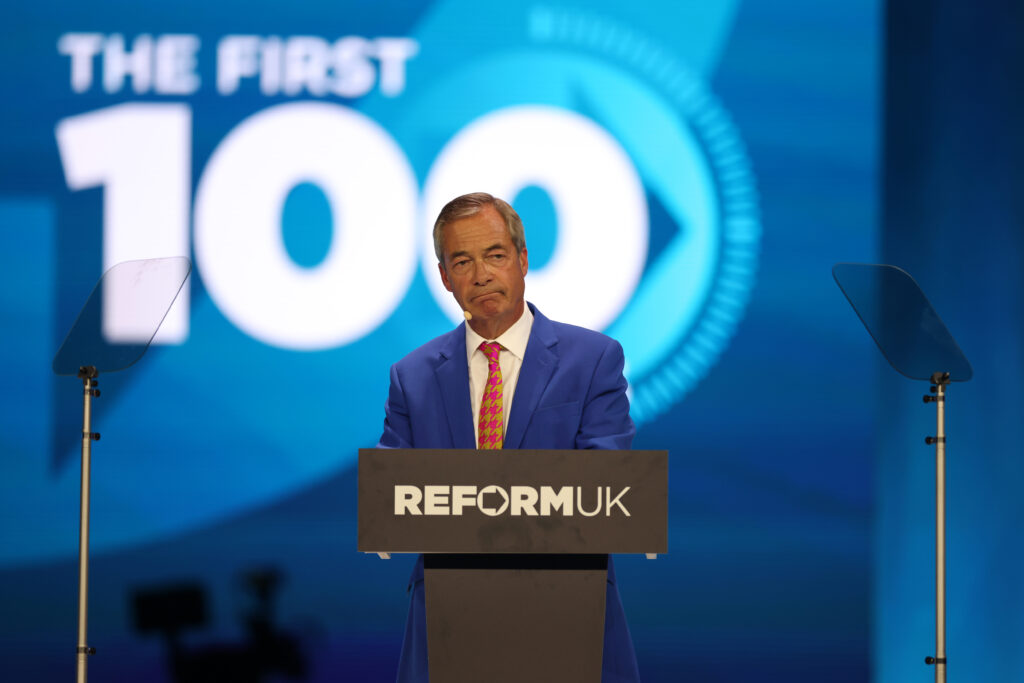
A “little local difficulty” – Gawain Towler’s Reform Conference Diary

Mace Magazine | September 5, 2026

Seasoned Farage aide-de-camp Gawain Towler reflects on Reform's first ever Business Day at the NEC - and what it's like when a media grenade goes off during the
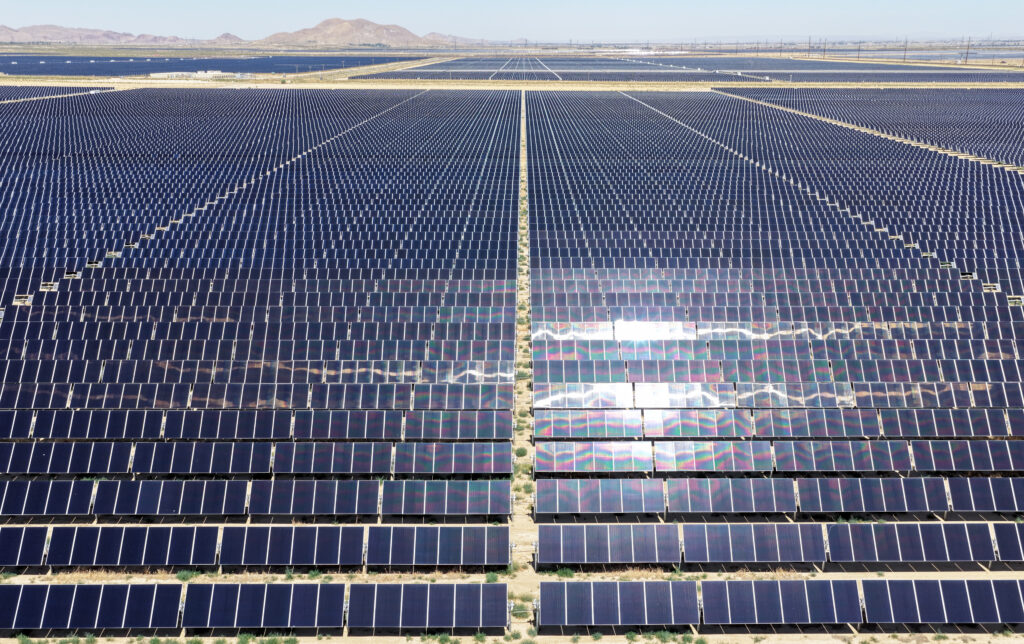
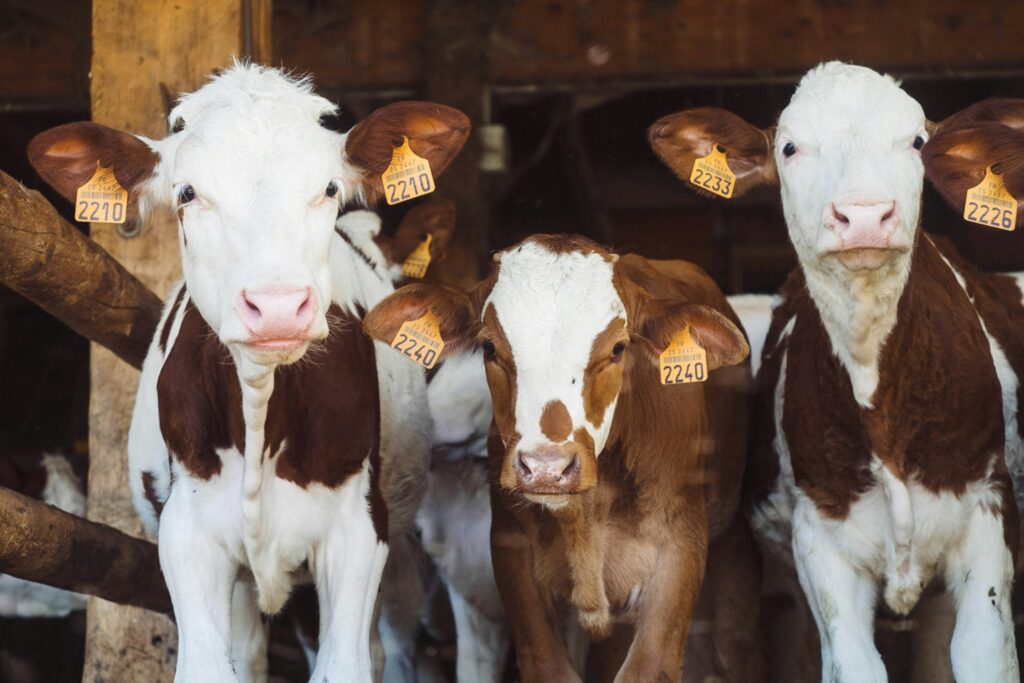
Farmers have suffered enough this summer — it’s time the government got on side

John Cooper | August 27, 2026

Britain’s farmers have battled repeated heatwaves and droughts, but MP John Cooper says the government’s Family Farm Tax is piling further pressure on an industry that desperately needs
It’s not a popularity contest: The case for protecting Meghan and Harry 

Lucy Carrier-Pilkington | August 25, 2026

You don’t have to like the Sussexes to believe the government has a duty to protect them.

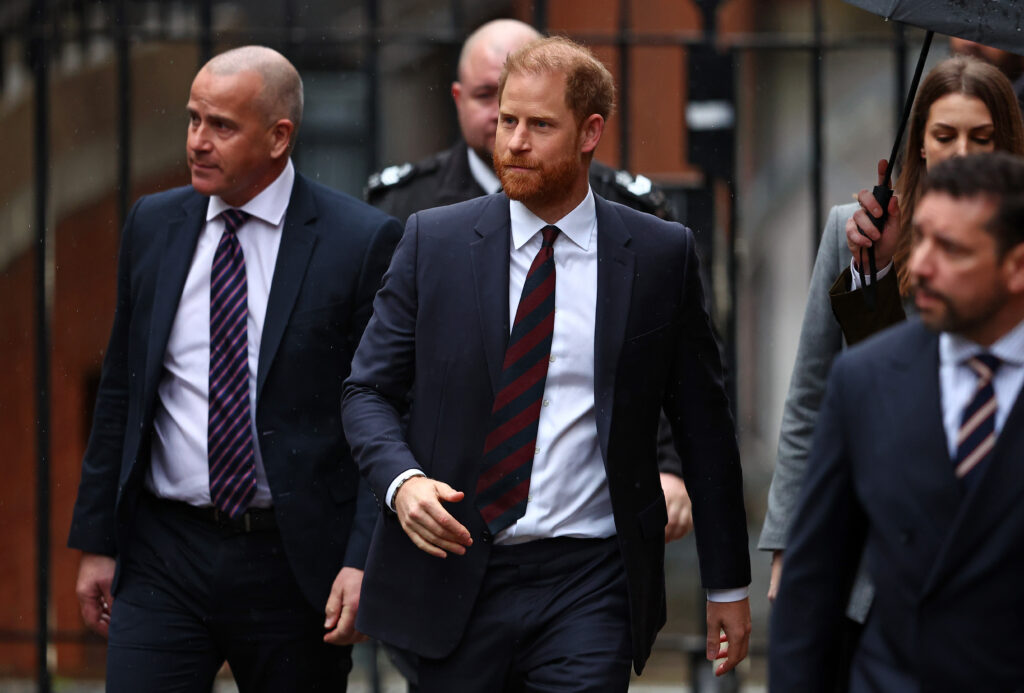
Is money a factor behind Prince Harry’s move back to the UK?

Mace | August 21, 2026

Is there a connection between Prince Harry's share of a £34 million legal bill and his sudden move back to the UK? The Mace follows the money.