Moscow Bristles as Brussels Moves to Turn Frozen Russian Assets into Long Term Ukraine Lifeline
Russia threatens legal and economic retaliation as the EU advances plans to leverage frozen Kremlin reserves for sustained Ukrainian financing

Russia has opened a new legal front against the EU over its frozen sovereign reserves.
The Bank of Russia confirmed on the 17th of September that it had filed a challenge with the EU general Court on the September 15th, specifically targeting the article which introduced the mechanism allowing EU courts and member states to block the enforcement or recognition of certain Russian court decisions in other jurisdictions.
The EU introduced this regulation as part of its sanction’s framework against Russia. The Bank of Russia has criticised the measure as a “direct attempt to intervene in the current court proceedings” in Belgium, involving Euroclear, the security depository holding the bulk of Russia’s frozen assets in Europe. Euroclear holds around €202 billion of the €210 billion of Russian Assets.
This dispute stems from Russia’s wider legal battle with Euroclear over the frozen assets. Earlier this year a court in Moscow upheld Russia’s central bank’s claims to recover damages from Euroclear related to the assets. The Central bank said in a statement that they welcomed the court’s decision which recognised the actions of Euroclear as “unlawful”. Russia could seek to use that judgement to pursue Euroclear’s assets in other countries, while the EU’s mechanism is designed to make such enforcement more difficult.
The frozen Russian assets are no longer simply a sanctions issue. They have become a developing legal battle over how far the EU can and will go to protect its sanctions regime and how far Russia will go to challenge it.
“The timing of the challenge is significant”
The timing of the challenge is significant. The topic of these assets being used to help finance Ukraine has become increasingly debated amongst European governments. While profits generated from the assets have already been used to support Ukraine, using the reserves themselves represents a much bigger step and more importantly raises questions over the precedent being set over how sovereign assets may be treated during future conflicts.
Leaders from the European Union are set to meet in Brussels on October 15th-16th to discuss several issues, including Ukraine. Ahead of this summit, 122 members of the European Parliament signed a letter calling for renewed discussions on using the immobilised assets to aid Ukraine. In the letter, MEPs argue that Russia should pay for the damage caused by the war. These MEPs are not the only ones pushing to revisit this. In August, a letter was signed by four member states – Sweden, Poland, Spain and the Netherlands which stated, “Ukraine needs more financial support in both the short and the long term”.
“The renewed debate over the assets comes as Ukraine faces a significant funding shortfall”
The renewed debate over the assets comes as Ukraine faces a significant funding shortfall. In an EPC policy dialogue on September 28th Ukraine’s finance minister, Sergey Marchenko, warned that the country still faces a gap of $32.6 billion for 2027 as well as roughly $45 billion in additional military needs. The pressure comes as the none stop attacks on the country continue to damage businesses and infrastructure. Marchenko called on Ukraine’s partners to take “bold actions”.
The main obstacle in the use of the assets is Belgium. Officials have warned that using these assets could expose both the country and Euroclear to significant financial and legal risks, especially as Russia is already perusing Euroclear through the courts. This creates a problem for the EU, if member states agree that the assets should be used to support Ukraine, they must still decide who would bear the consequences is Russia were to successfully challenge the move.
Russia’s new court challenge therefore comes at a critical moment.
Russia threatens legal and economic retaliation as the EU advances plans to leverage frozen Kremlin reserves for sustained Ukrainian financing
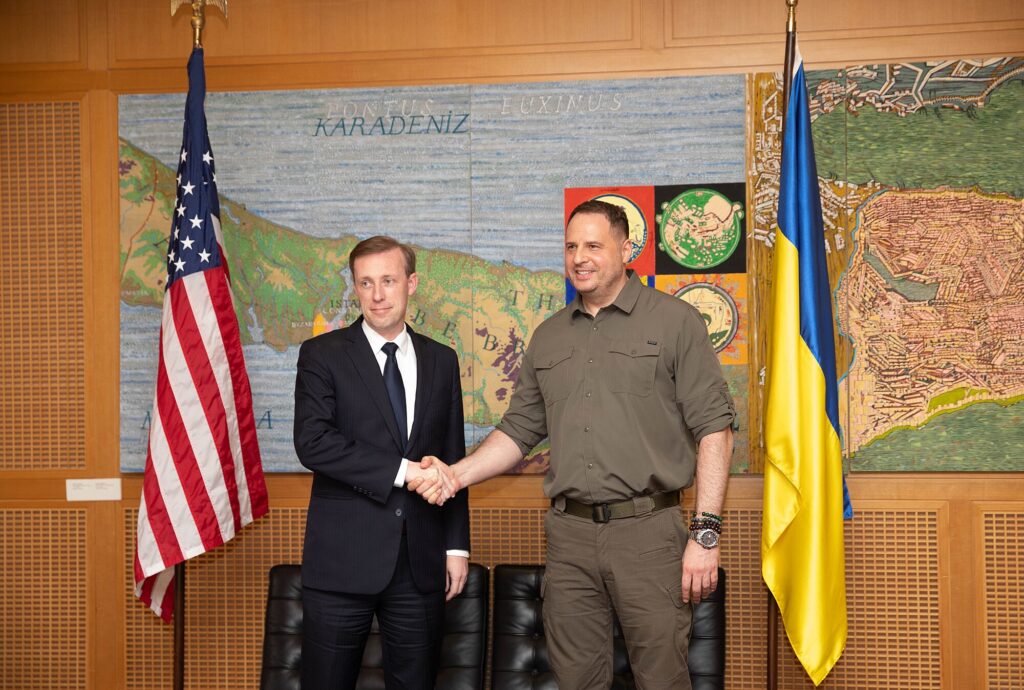
The resignation of Andriy Yermak after anti-corruption raids disrupts Ukraine’s leadership and triggers uncertainty across Europe during a critical phase of the war.
President Trump’s new oil sanctions on Russia mark a sharp turn in US policy toward the war in Ukraine.

As Ukraine rebuilds from war, music is emerging as a vital force for healing, unity and national renewal.

Boris Johnson has urged the West to show greater resolve in supporting Ukraine, speaking at a London exhibition opened by General Zaluzhnyi.

President Trump ruled out deploying U.S. ground troops to Ukraine but left air support on the table. Discussions are ongoing between U.S. and European planners to structure security

Donald Trump will meet Vladimir Putin in Alaska on 15 August to discuss ending the Ukraine war, including potential territorial swaps. Ukraine and European leaders reject any agreement
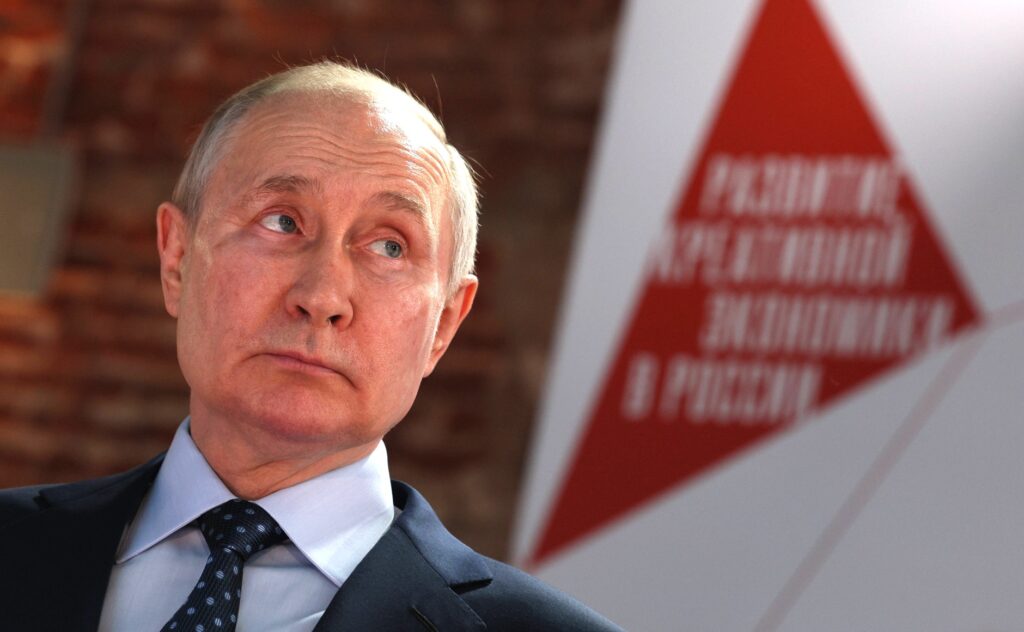
President Donald Trump is weighing fresh sanctions on Russia following its largest aerial assault on Ukraine since the war began. The strikes killed 12 civilians and derailed peace

The EU must decide by 5 June whether to extend tariff-free trade with Ukraine. MEPs warn reintroducing duties could undermine support for Kyiv. Internal opposition, especially from farmers,

U.S. Vice President JD Vance admitted the Ukraine war is unlikely to end soon, contradicting Donald Trump’s earlier pledge to settle it in 24 hours. Trump has since
