Will the EU agree to extend its favourable trade terms for Ukraine?

Pieter Cleppe | Issue 7 | Comment, Kyiv, Magazine

From the Archive

Ukrainian,President,Volodymyr,Zelenskiy,Is,Attending,A,Joint,Press,Conference

The EU must decide by 5 June whether to extend tariff-free trade with Ukraine. MEPs warn reintroducing duties could undermine support for Kyiv. Internal opposition, especially from farmers, complicates the issue. Brussels is also under fire for using trade policy to impose its regulations on global partners.

Will the EU agree to extend its favourable trade terms for Ukraine? By 5 June, the European Union must decide whether to extend the favourable trade access currently enjoyed by Ukraine. In a letter to the European Commission on the matter, several MEPs – including Bernd Lange, chair of the Parliament’s international trade committee, and Ukraine rapporteur Karin Karlsbro – warn that reintroducing customs duties on imports from that country “calls into question the EU’s solidarity” at a critical point in the war. They urge the Commission to seek at least “transitional measures” that pave the way for a fully liberalised trade agreement beneficial to both parties. The current EU–Ukraine trade arrangement, concluded in 2022 after the onset of Russian aggression, removed nearly all EU import tariffs and other trade barriers for Ukraine. A temporary emergency stop mechanism was later introduced for a limited number of agricultural products – including poultry, eggs, honey and sugar – which ac...

Subscribe to The Mace

Join the member community shaping British politics and stay ahead of what's really happening in the world of politics and public affairs, with expert analysis, breaking news, and insider insights from Westminster and Brussels. The Mace is the leading news source and resource for the government affairs industry, offering required reading and lobby intelligence for professionals.

To see what you are missing out on by not subscribing to The Mace, click here to download our full membership info-pack. This includes having no paywall on op-ed content or profiles/interviews, allowing professional profiles to be read with maximum impact and visibility by government, special advisers, MPs, peers, civil servants, and policy and political decision-makers.


Business under pressure: What Ukraine’s resilience reveals about Britain’s new security risks

Anna Bryzhko | October 8, 2026

As Britain brings business leaders into Whitehall for briefings on Russian threats, Ukraine offers an extreme case study in how companies keep operating when power, logistics and digital
The legal war over Russia’s frozen billions 

Ella Beadman | October 7, 2026

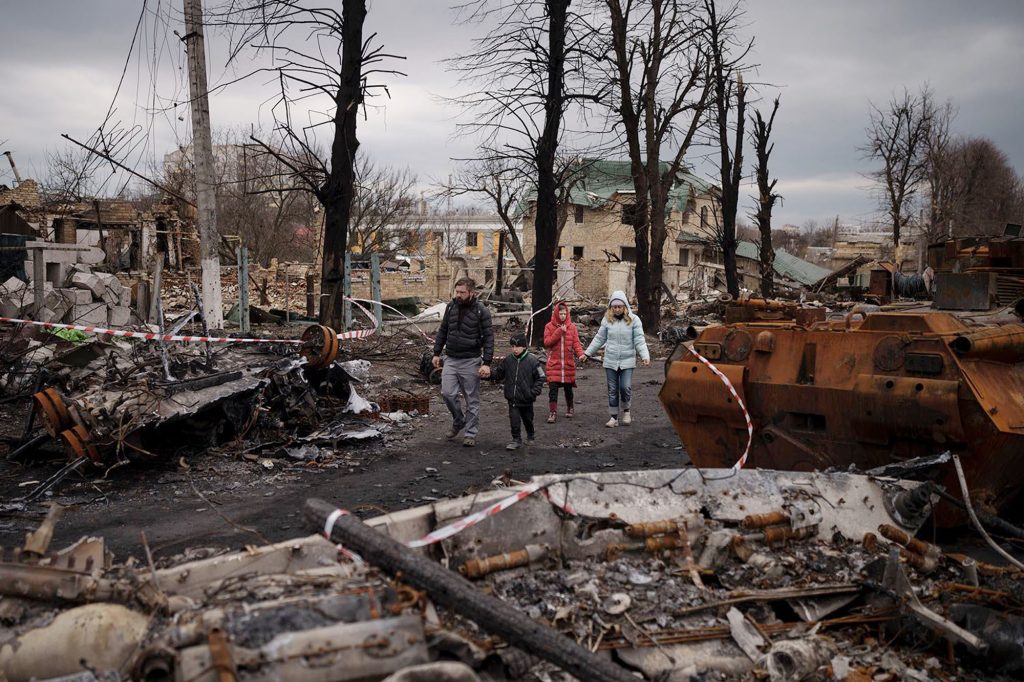
Russia has opened a new legal front against the EU over its frozen sovereign reserves.

From battlefield to export market: Ukraine wants to turn wartime technology into a global industry

Anna Bryzhko | October 1, 2026

Ukraine’s wartime technology sector is moving beyond the battlefield, as the government looks to turn advances in defence tech, AI and digital infrastructure into exports, investment and international

Britain’s growing role in Ukraine’s reconstruction: From wartime aid to business opportunities

Anna Bryzhko | September 29, 2026

As the UK commits further funding to Ukraine’s reconstruction, British companies are expanding their involvement in energy, finance and defence, creating new opportunities for long-term economic cooperation.

Forty years after Big Bang, the City cannot write its own rules for growth

Mick McAteer | September 23, 2026

Greater deregulation for the financial sector in the City is not the way forward, writes Mick McAteer.

The Great British agricultural crisis: What does this mean for food, farmers, and national resilience?

Ella Beadman | September 22, 2026

This summer exposed the chain of vulnerabilities faced by the agricultural industry, Ella Beadman writes.

Jenrick is right to abolish the Tourism Tax to save the Great British staycation

Mace Magazine | September 21, 2026

The government's new 5% tourism tax and overnight levy is the last thing the UK's hospitality sector needs, says William Cash

The government wants to make it harder for businesses to say no to WFH – what does this mean for young people?

Lucy Carrier-Pilkington | September 17, 2026

The new government protocol raises concerns about whether young people are getting the necessary exposure they need in their early careers 

The existential threat AI poses for the free press

Lucy Carrier-Pilkington | September 16, 2026

What happens when the technology that could one day threaten humanity begins to destroy the institution responsible for warning us about it?

Burnham went to Kyiv. Now comes the harder journey to Washington

Andriy Dovbenko | September 16, 2026

The Prime Minister’s first foreign visit was a welcome act of solidarity. But for Ukraine, British friendship will be judged by whether it can help unlock the air