The E.U. Should Follow the U.K.’s Model on Due Diligence
Michiel Hoogeveen | 10th November 2022 | Brussels, Comment, Uncategorised
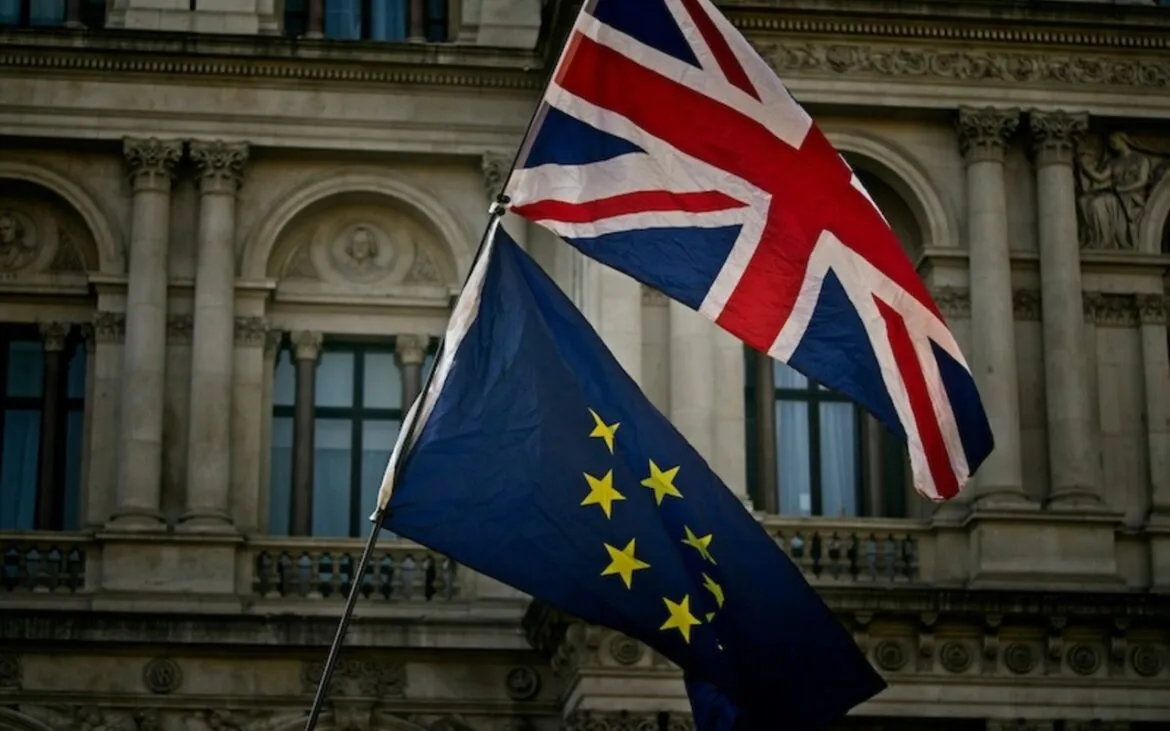
The U.K.’s current political and economic turmoil offers a model that no one on the continent would wish to follow right now – but its Due Diligence system, introduced in 2021, should be studied very closely
Earlier this year, the Commission published its Corporate Sustainability Due Diligence proposal, setting new rules for companies importing certain commodities, including palm oil, soy and coffee, into the EU. The objective is to tighten rules around commodities that are accused of links to deforestation.
The proposal will now be taken up by my colleagues in the European Parliament. As usual, hundreds of amendments will be tabled by dozens of MEPs – each with his or her own ideas about how best to make the Due Diligence system work.
There is a better way. A new Due Diligence system has been introduced just across the English Channel, and it shows a better way forward for the EU. The U.K.’s currently political and economic turmoil offers a model that no-one on the continent would wish to follow right now – but its Due Diligence system, introduced in 2021, should be studied very closely.
The primary benefit, when compared with the Commission proposal, is that the UK bases its system on a legality standard. In essence, this sets the objective of excluding all illegal deforestation from UK supply chains: a worthy goal that the EU also shares. The UK legislation, though, works in cooperation with partner countries by using local laws and regulations in exporting countries, as the basis for the legality standard. If it can be proven to be legally-produced locally, then the UK is …
Subscribe to The Mace
Join the member community shaping British politics and stay ahead of
what's really happening in the world of politics and public affairs,
with expert analysis, breaking news, and insider insights from
Westminster and Brussels. The Mace is the leading news source and
resource for the government affairs industry, offering required
reading and lobby intelligence for professionals.
To see what you are missing out on by not subscribing to The Mace, click here to download our full membership info-pack. This includes
having no paywall on op-ed content or profiles/interviews, allowing
professional profiles to be read with maximum impact and visibility by
government, special advisers, MPs, peers, civil servants, and policy
and political decision-makers.
As the blame game between Keir Starmer and Olly Robbins unfolds, Lucy Carrier-Pilkington argues this is just the latest in a pattern of governments pinning responsibility on civil
With Ed Milliband poised to be one of the favourites to succeed Starmer as Prime Minister, we must remember what a Milliband premiership would look like, writes Ted
For too long, preventable accidents have been viewed as an afterthought, but more should be done to ensure they do not occur in the first place, writes Matilda
A new guide outlining their roles and responsibilities under the Building Safety Act has prompted some questions about how seriously clients are taking the new safety regime, says
As the use of artificial intelligence becomes more widespread, the government must do more to support small businesses with AI adoption, writes Polly Dhaliwal