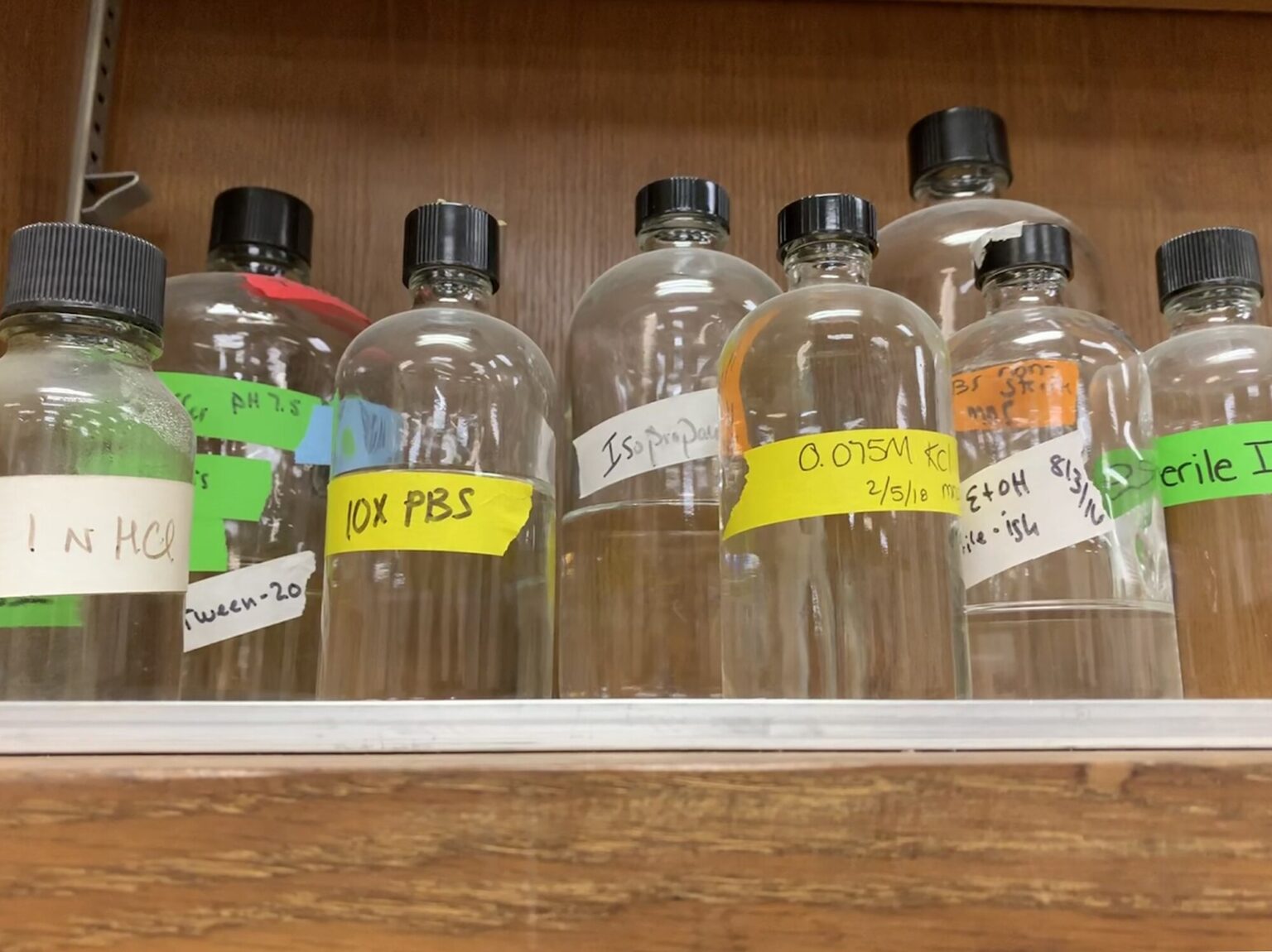
New EU rules aim to speed up and align chemical safety assessments, reducing duplication between agencies while maintaining health and environmental protections
New European Union rules designed to streamline how chemicals are assessed for safety entered into force this week, marking a significant procedural change for regulators, industry and public health authorities across the bloc. The measures are intended to reduce duplication between EU agencies, speed up decision making and provide clearer timelines for companies placing substances on the market, according to the European Commission. European officials say the reforms respond to long standing criticism that chemical risk assessments were fragmented, slow and difficult to navigate for both regulators and manufacturers. Sources: European Commission, Council of the European Union.
At the heart of the new framework is closer coordination between agencies responsible for chemical safety, food safety, medicines and occupational health. Under the updated rules, assessments of the same chemical will be shared more systematically, allowing scientific conclusions to be reused rather than repeated. This is intended to free up resources and reduce backlogs, particularly for substances that are already widely used across multiple sectors. The Commission has said the approach should lead to more predictable regulatory outcomes while maintaining high levels of protection for human health and the environment. Sources: European Commission, Euractiv.
A central role is given to the European Chemicals Agency, which will act as a hub for coordinating scientific work between EU bodies. ECHA will manage shared databases and ensure that risk assessments carried out under different pieces of legislation are aligned where possible. Officials involved in drafting the rules say this should improve consistency, especially where chemicals fall under overlapping regimes such as industrial chemicals, pesticides or biocides. Sources: European Chemicals Agency, European Commission.
The reforms are part of a broader policy known in Brussels as one substance one assessment, an idea that has been debated for several years. The concept aims to ensure that each chemical substance is assessed in a coherent way across EU law, rather than being examined separately under multiple frameworks with different methodologies and timelines. Supporters argue this will reduce administrative burdens for companies and speed up regulatory action where risks are identified. Sources: Council of the European Union, European Parliament briefing papers.
Industry groups have broadly welcomed the changes, saying faster and more coordinated assessments will improve legal certainty and help companies plan investment. Chemical manufacturers have long complained that slow regulatory processes can delay innovation and market access, particularly for safer or more sustainable alternatives. At the same time, they stress that effective implementation will depend on agencies being adequately resourced and on clear guidance from Brussels. Sources: Cefic, European Commission stakeholder statements.
Environmental and consumer organisations have reacted more cautiously. While many support better coordination between agencies, they have warned that streamlining must not lead to weaker scrutiny or delays in restricting hazardous substances. Campaigners are closely watching how the new system will handle substances of concern, including those linked to endocrine disruption or long term environmental harm. They argue that sharing assessments should accelerate protective action rather than create new procedural bottlenecks. Sources: European Environmental Bureau, NGO position papers.
The entry into force of the rules comes as the EU continues to pursue its Chemicals Strategy for Sustainability, which aims to better protect citizens while supporting a competitive chemicals industry. The Commission has said the streamlined assessment system will be reviewed as it is rolled out, with adjustments made if gaps or inefficiencies emerge. For policymakers, the test will be whether faster processes translate into clearer decisions and timely action in an area that remains politically and scientifically complex. Sources: European Commission, Council of the European Union....
Subscribe to The Mace
Join the member community shaping British politics and stay ahead of
what's really happening in the world of politics and public affairs,
with expert analysis, breaking news, and insider insights from
Westminster and Brussels. The Mace is the leading news source and
resource for the government affairs industry, offering required
reading and lobby intelligence for professionals.
To see what you are missing out on by not subscribing to The Mace, click here to download our full membership info-pack. This includes
having no paywall on op-ed content or profiles/interviews, allowing
professional profiles to be read with maximum impact and visibility by
government, special advisers, MPs, peers, civil servants, and policy
and political decision-makers.
Creating a Defence Industrial base with no new money is going to be a challenge for any Defence Secretary. But, argues defence expert William Wallace, there are several
As politicians call for more external appointments in Whitehall, Professor Nada Kakabadse argues that the real challenge lies not in recruitment, but governance.
Konstantinos Bogdanos, our regular Brussels Diarist, on how the bills for Europe’s political class are finally coming due in a city where the Belgian middle-class can't afford to
Despite the new 5% VAT tax break for holiday attractions, tourism trade body leaders are speaking out about how government policies may not help the sector.
As the Charity for Civil Servants marks its 140th anniversary, Neil Woollard argues that the officials who keep Britain functioning are too often caricatured, underpaid and overlooked —