Making the EU Happen

Daniel Kaddik | 3rd August 2021 | Brussels
european union

Daniel Kaddik, Executive Director of the European Liberal Forum, argues for a concrete European roadmap for action addressing all the complexities of modern challenges facing the continent.

This article is the first of a series of eight introducing the Liberal White Book: Europe 2030, the European Liberal Forum's flagship publication highlighting the challenges that the EU faces and presenting a range of future policy options.  What is the European Union? What should it be? These questions are not only controversial, they also lack clear answers. Without these, the EU has evolved without ever following a grand design. As such, it has become an organisation that is constantly shifting in response to ever-changing challenges. Origins The Union began as a post-war project aiming to keep national aggressions and egoisms in check by integrating European economies. 70 years – and several crises – later, the EU of today includes almost the entirety of Europe and influences all aspects of European political life - from trade to social issues, foreign affairs to digitalisation, and health to space exploration. Crucially, EU policymakers now set the all-encompassing agenda and over...

Subscribe to The Mace

Join the member community shaping British politics and stay ahead of what's really happening in the world of politics and public affairs, with expert analysis, breaking news, and insider insights from Westminster and Brussels. The Mace is the leading news source and resource for the government affairs industry, offering required reading and lobby intelligence for professionals.

To see what you are missing out on by not subscribing to The Mace, click here to download our full membership info-pack. This includes having no paywall on op-ed content or profiles/interviews, allowing professional profiles to be read with maximum impact and visibility by government, special advisers, MPs, peers, civil servants, and policy and political decision-makers.


An appetite for diplomacy

Lucy Kenningham | November 18, 2021

With the right ingredients, gastrodiplomacy in Brussels is proving to be the ideal conversation starter for ministers within and beyond the EU


Europe’s Embattled Progressives

François Valentin and Jorge González-Gallarza | November 12, 2021

Europe took a decidedly neoliberal shift thirty years ago, but centre-left moderates still view the union as a beacon of progressivism

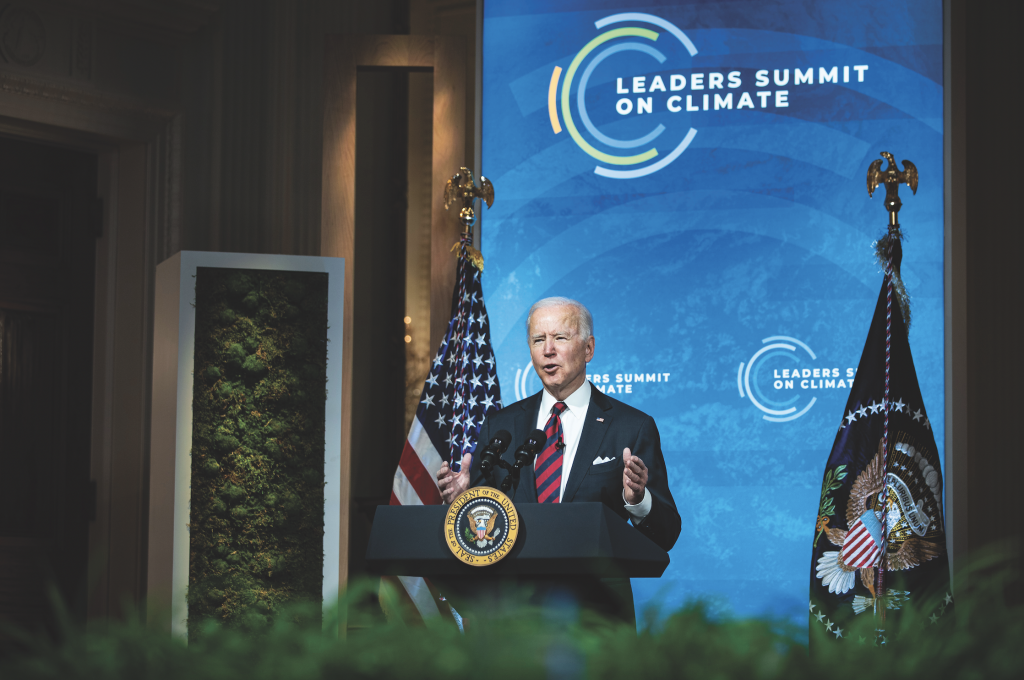
Turning up the temperature

Fiona Harvey | October 29, 2021

Ahead of Cop26, can Joe Biden’s bold climate change action plan help save the planet?
New trade secretary must stand firm against pro-Brussels lobbying

Sir Bill Cash | September 29, 2021

For Bill Cash, trade is the policy area where the UK can most significantly, and successfully, depart from the Brussels bureaucratic model. 

Europe’s Digital Transformation

Francesco Cappelletti | August 31, 2021

Europe's digital strategy must harness innovation, maximise personal freedom and protect against new threats, writes Francesco Cappelletti of the European Liberal Forum.

digital europe

Fixing the EU’s Institutions

Hilde Vautmans MEP | August 10, 2021

Introducing the first chapter of the 2021 Liberal White Book, Hilde Vautmans MEP sets out the key reforms that would revive the EU's institutional framework.

eu institutions brussels

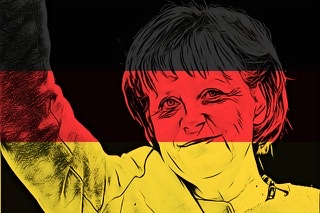
Why Merkel does it better

John Kampfner | October 15, 2020

As Boris goes from one blunder to the next, the German chancellor has kept the virus under control, says John Kampfner
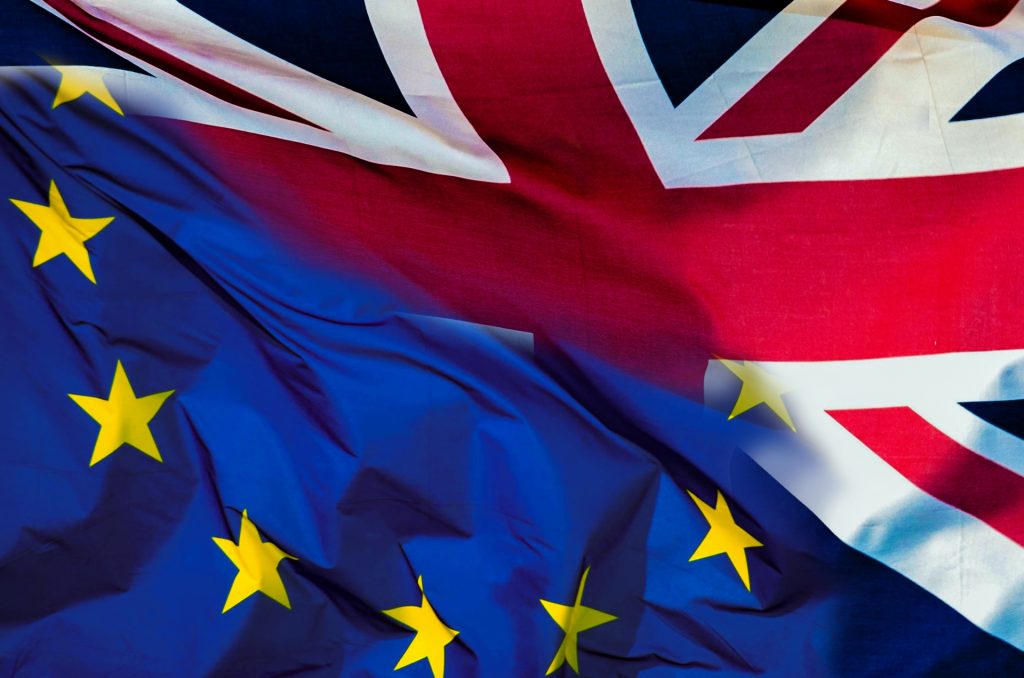
Never Let You Go: Clinging to our Leave/Remain Identities

James Tilley | October 6, 2020

James Tilley on why our Brexit identities still dominate four years on from the referendum.
Front and Centre of Brussels Hospitality

William Cash | October 5, 2020

Contemporary, quirky and classic, William Cash reviews the Hotel Amigo - a converted 16th-century prison with an award-winning Italian restaurant.

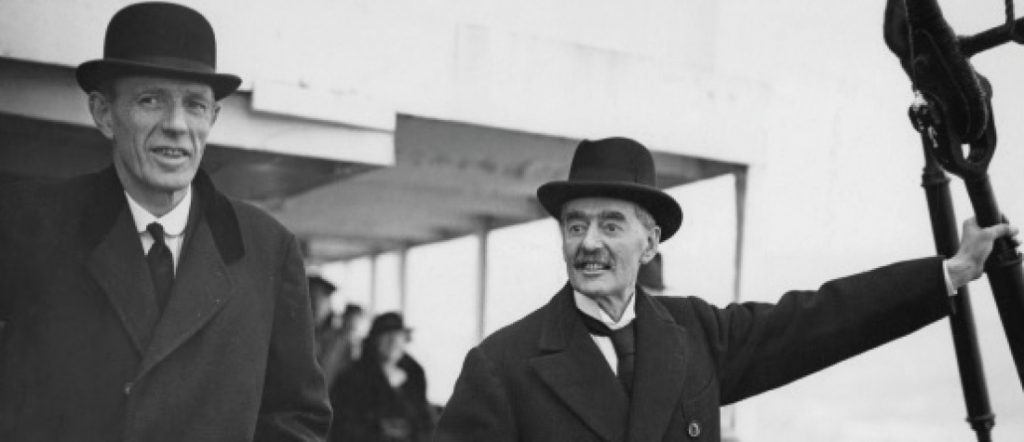
The Lesson of Munich

Tim Congdon | January 28, 2020

The Establishment has been wrong before, notes Tim Congdon. Is it so crazy, he asks, to think that it might be wrong again?