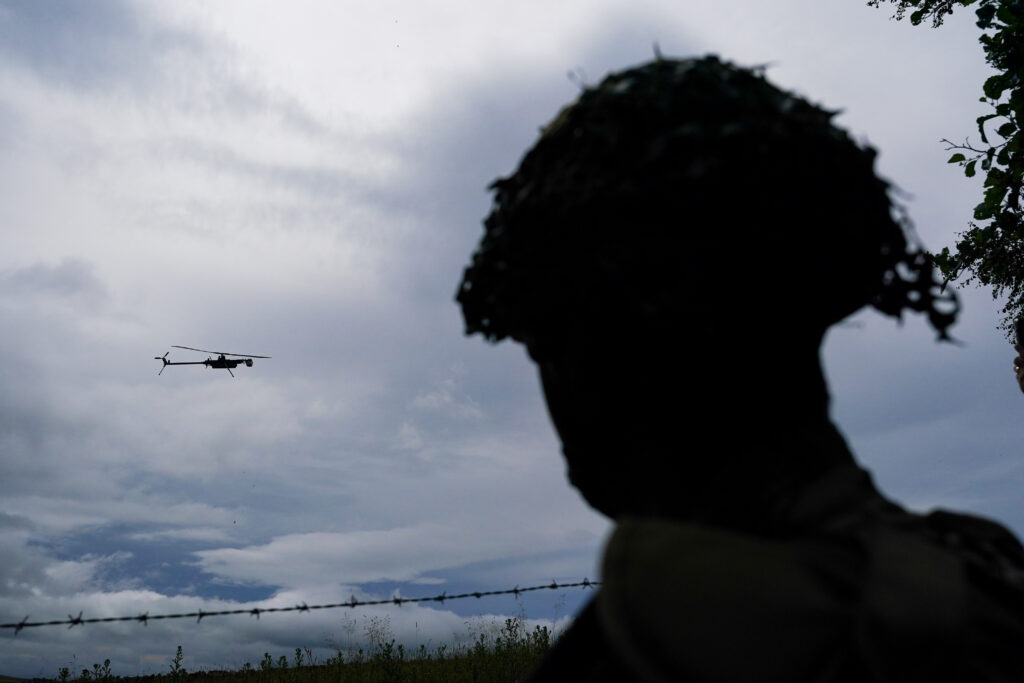
Kaliningrad Is Where Putin Is Testing Europe’s Defences
Europe may already be entering a new phase of confrontation with Russia, one in which the distinction between peace and conflict becomes increasingly difficult to identify.


Prime Minister Andy Burnham’s surprise move to appoint former Defence Secretary John Healey as Chancellor of the Exchequer proves that Westminster politics is an unpredictable game of cabinet thrones.
John Healey – who has been announced as Chancellor by PM Burnham – was an unexpected choice for the role, yet he has been very well received. Recent coverage had focused on the two presumed leading contenders for the Chancellorship – Home Secretary Shabana Mahmood and now Foreign Secretary Ed Miliband – amid divisions within the party over either taking the role. Choosing a Chancellor was viewed as one of Burnham’s first political tests, and, given the divisions surrounding the leading candidates, was expected to create problems early in his premiership. However, Healey’s appointment has proved to be an astute move.
What makes his appointment to one of the top jobs in Cabinet surprising is that it comes after his bombshell resignation as Sir Keir Starmer’s defence secretary just over a month ago. The Chancellor’s assessment that the delayed defence investment plan fell “well short of what is required for defence the country at this dangerous time” was undoubtedly a move that hastened Sir Keir’s departure.
“The Treasury had been unwilling to commit the resources that the nation needs to defend the country at this time of rising threats.”
Healey will now step in to replace Rachel Reeves. Reeves was allegedly offered a place in Cabinet but declined. Wes Streeting will take on Healey’s previous job as Defence Secretary. Healey has a history of clashing with Reeves, pointedly saying in his resignation letter that the Treasury had been “unwilling” to “commit the resources that the nation needs to defend the country at this time of rising threats.”
According to sources close to the Cabinet, Burnham and Healey “have the same outlook” on key priorities including cost-of-living, reindustrialisation, and driving growth.
“Our adversaries do not follow timetables set by the Treasury.”
Despite being best known for his political career in defence he also has experience working within the Treasury. Healey was minister for the Treasury for five years between 2002 and 2007, first as economic secretary and then financial secretary. However, he has also been a critic. In recent history, he spoke of a “Treasury orthodoxy that’s a dead hand on dynamic government” and said that it saw “defence as a drain rather than a driver of growth.” He warned: “Our adversaries do not follow timetables set by the Treasury.”
A defence-orientated chancellor could be good news not just for UK security but also for diplomacy. One of the United Kingdom’s greatest tensions with its allies, especially the United States, has been the lacklustre effort to increase defence spending. It is likely that the appointment of Healey will go down well with the American presidency, and put Burnham on good footing with President Donald Trump. The President and former Prime Minister Keir Starmer had a fairly good relationship, yet tensions over defence spending were never fully resolved. Despite having just missed the NATO summit, there is no doubt that the presence of a defence-forward Chancellor will also attract attention in Brussels.
Yet, while there is excitement about a change in economic direction under Healey, his message has been more about continuity than change. Responding to ONS figures on Tuesday showing that borrowing fell by £16 billion in June, he said: “Fiscal control is the first duty of any Chancellor. It is mine.”
“Healey and Burnham are inheriting a better hand than that of Sir Keir and Rachel Reeves”
Healey and Burnham are inheriting a better hand than that of Sir Keir and Rachel Reeves – as the Burnham administration is taking office against the backdrop of the third-strongest economy of any incoming Prime Minister in the last 50 years – behind only Tony Blair and Theresa May.
However, of course, the issue with Starmerism was a lack of salesmanship and ambition more than anything else. To address that, Burnham and Healey will need to set out a strong vision for defence to build public confidence in their programme for change.
Europe may already be entering a new phase of confrontation with Russia, one in which the distinction between peace and conflict becomes increasingly difficult to identify.
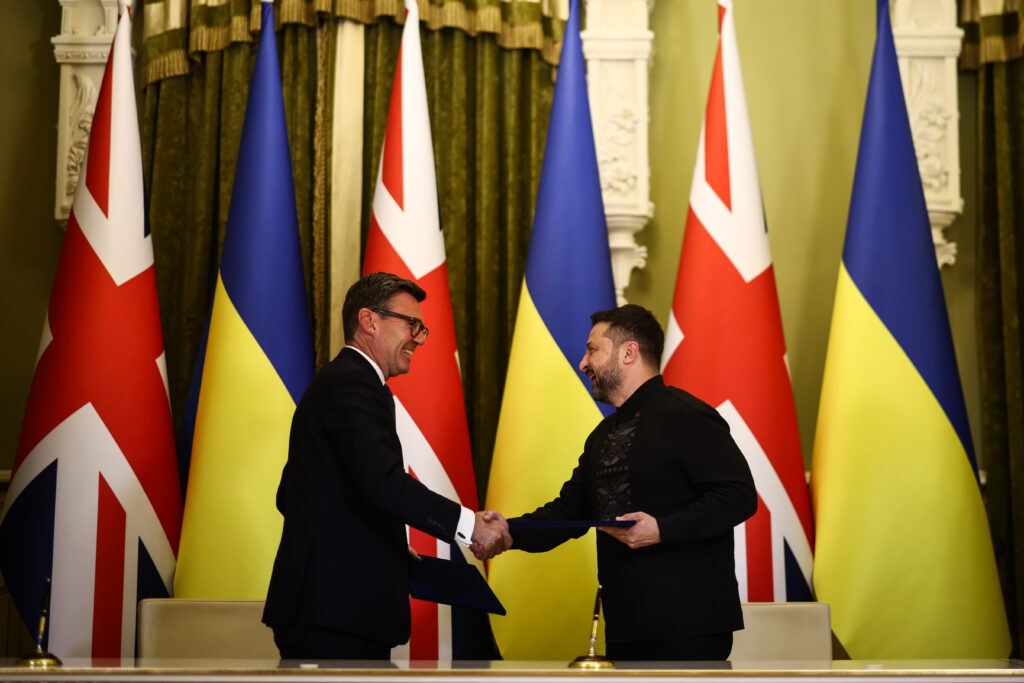
The Prime Minister’s first foreign visit was a welcome act of solidarity. But for Ukraine, British friendship will be judged by whether it can help unlock the air
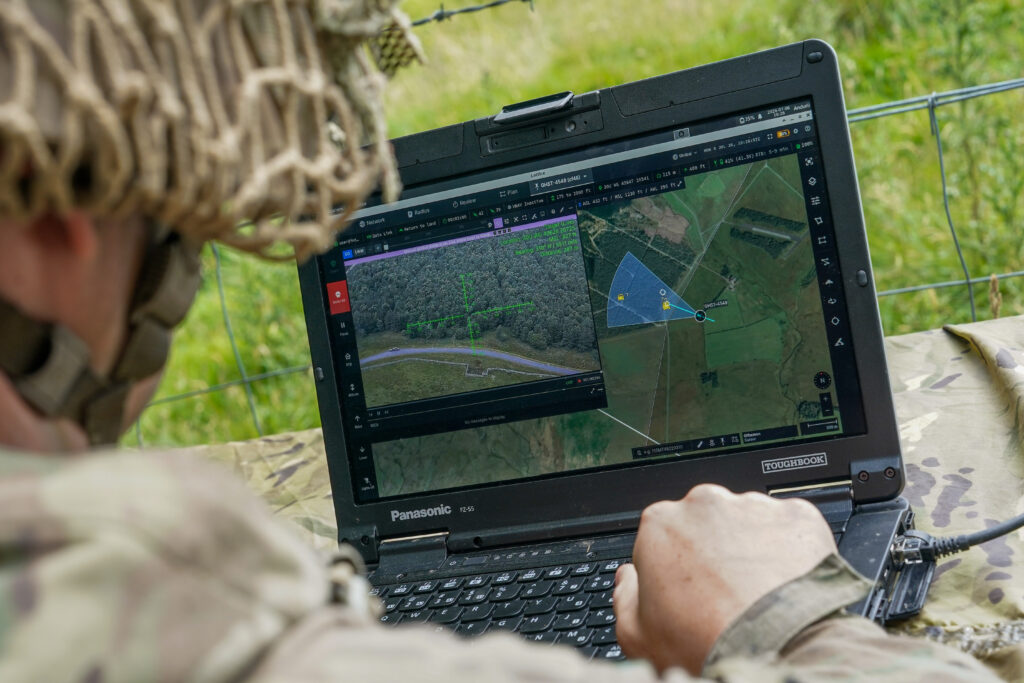
In an exclusive special for Mace, expert Dr Daniel Frampton discusses the pivotal shift of the Strategic Defence Review towards a new age of defence technology for NATO.

Mace defence expert, Dr Daniel Frampton, highlights the importance of SME's for UK and NATO defence - and warns they are at a disadvantage.
With the NATO summit in Ankara today, our defence expert Dr Daniel Frampton argues that supply chains have become a strategic asset for the NATO Alliance.
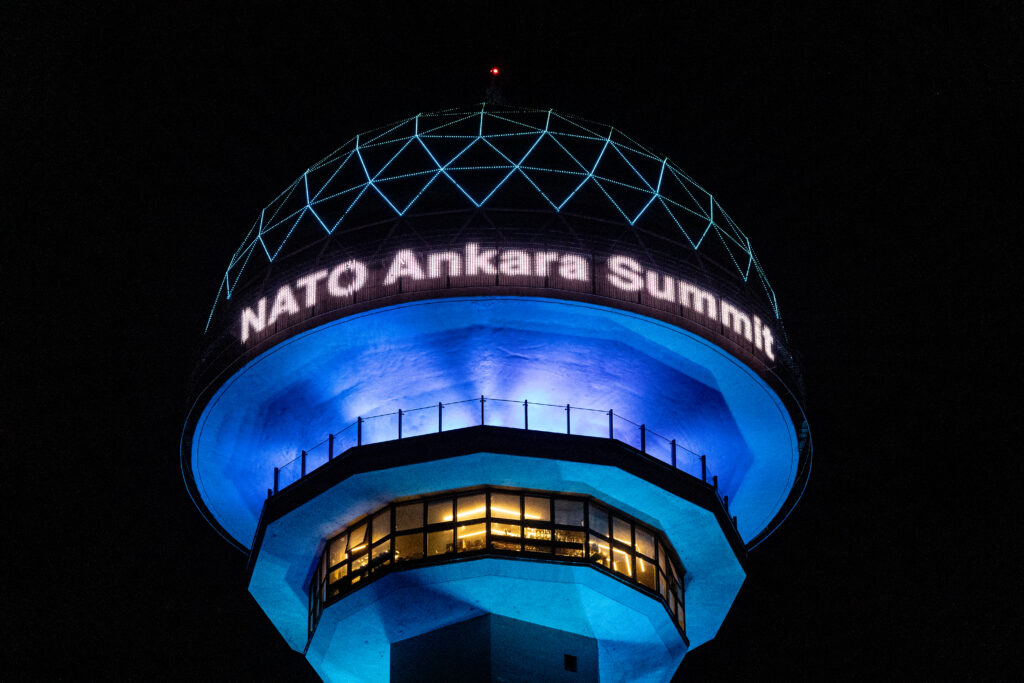
With the NATO Summit in Turkey, our defence expert Dr Daniel Frampton looks at whether the UK is bringing enough security and spending to the table.